











































Ansbach-Triesdorf — መግዛት ወይም መሸጥ


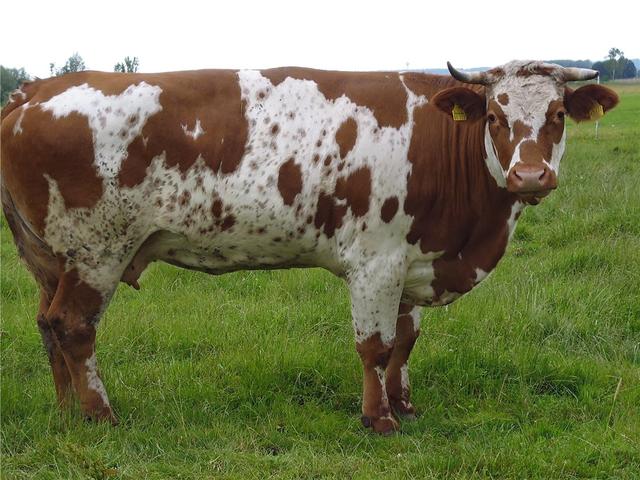
Breed history: Ansbach-Trisdorfer, also known as the "Trisdorf Tiger Cow," is an ancient Franconian breed of cattle that is endangered. This breed, renowned for its endurance, strength, and unique coloration, has a rich history and interesting characteristics. Its development is closely linked to the margraves of Ansbach and their estate in Trisdorf, a region in Middle Franconia, Germany. Until 1740, local breeds of cows—brown and red, some with white markings on the forehead—predominated in this region. They were adapted to local conditions but did not exhibit high productivity. In 1740, Margrave Karl Wilhelm Friedrich decided to improve the milk productivity of the local cattle. He brought six black-and-white cows and 25 Frisian cows from Holland, creating his "Holland" in Trisdorf (not a new state, but simply a farm). Crossbreeding with local breeds allowed for increased milk yields. In 1757, the margrave continued his crossbreeding experiments. He acquired additional Frisian bulls and Swiss mountain spotted cattle. The goal was to improve the draft power of the cows, as they were widely used for agricultural work at that time. The surplus of the resulting animals was distributed among local farmers, which contributed to the spread of new genes. In 1780, a bull and 24 cows of Swiss mountain spotted cattle were included in the breeding program. This further improved the draft power and meat qualities. In the late 18th to early 19th century, crossbreeding with various breeds continued. Simmental, East Frisian, and other breeds were used. During this period, the Ansbach-Trisdorfer breed thrived. By 1896, there were about 190,000 heads. The breed was even exported to France and England. However, the situation changed in the late 19th to early 20th century. In 1888, a law on breeding was adopted in Bavaria, which required purebred breeding. This led to a sharp decline in the population of Ansbach-Trisdorfer, as crossbreeding with other breeds became prohibited. The breed nearly disappeared, surviving only in small numbers. In the late 20th to early 21st century, enthusiasts took on the task of restoring the breed. In 1992, the "Society for the Preservation of Ansbach-Trisdorfer Cattle" was established, which is engaged in its breeding and promotion. Thanks to their efforts, the breed is gradually being revived. Exterior: The Ansbach-Trisdorfer has a medium height and a strong build, making it versatile and suitable for both dairy and meat production.
ተጨማሪ ለማወቅ ግባ
ግባበምን ይመገባል
Diet: In general, the Ansbach-Trisdorf cow is not picky about nutrition, but some recommendations should be followed to achieve the best productivity. Of course, the higher the productivity that the breeder expects, the more he feeds the cow. In summer, pasture can become a real treasure for the farmer, providing up to half of the cow's daily diet. For this, approximately 0.5 hectares of pasture is needed per head. However, the Ansbach-Trisdorf cannot be satisfied with grass alone. The cow's diet should include various components, each serving its own function. The main feed is the foundation of the diet. It includes hay and straw, which serve as a source of fiber. Fiber is necessary for normal digestion and the health of the cow's digestive system. The balancing feed is like vitamins for humans. It compensates for protein deficiency, provides energy, vitamins, and minerals. It includes concentrates, grains, cake, and meals. Balancing feed not only improves the cow's health but also affects the volume of milk yield. The productive feed is fuel for high-producing cows. It supports them at peak productivity and allows for maximum milk production. It includes grains, compound feeds, and meals. In general, a cow should be given 24 kg of main feed and 1.6-2 kg of balancing feed daily. In winter, when there is no fresh grass, the cow's diet consists of rough and succulent feeds. They compensate for the lack of green mass and provide the body with necessary nutrients. During this period, the proportion of concentrates is increased, and root vegetables are added to support their high productivity.
የአካል መለኪያዎች
የወንድ ክብደት: 900–1200 ኪ.ግ
የሴቷ ክብደት: 450–700 ኪ.ግ
የወንዱ ቁመት: 150–160 ሴሜ
የሴቷ ቁመት: 120–140 ሴሜ
የመኖሪያ ክልል
ቤልጄም
ዩናይትድ ኪንግደም
ጀርመን
ፈረንሳይ
ተደጋጋሚ ጥያቄዎች
Ansbach-Triesdorf ስንት ኪሎ ይመዝናል?
የጎልማሳ እንስሳ: ወንድ — 900–1200 ኪ.ግ, ሴት — 450–700 ኪ.ግ.
Ansbach-Triesdorf ስንት ቁመት አለው?
በትከሻ ላይ ያለው ቁመት: ወንድ — 150–160 ሴሜ, ሴት — 120–140 ሴሜ.
Ansbach-Triesdorf ከየት ይመጣል?
የመነጨበት አገር — ጀርመን.
Ansbach-Triesdorf የት ይረባል?
ዝርያው የተስፋፋባቸው አገሮች: ቤልጄም, ዩናይትድ ኪንግደም, ጀርመን, ፈረንሳይ.
Ansbach-Triesdorfን በምን ይመገባል?
Diet: In general, the Ansbach-Trisdorf cow is not picky about nutrition, but some recommendations should be followed to achieve the best productivity.
ጥያቄ እና መልስ
ጥያቄ አሁን የለም። የመጀመሪያውን ይጠይቁ!
ግባ ጥያቄ ለመጠየቅ