



























Zebu — መግዛት ወይም መሸጥ


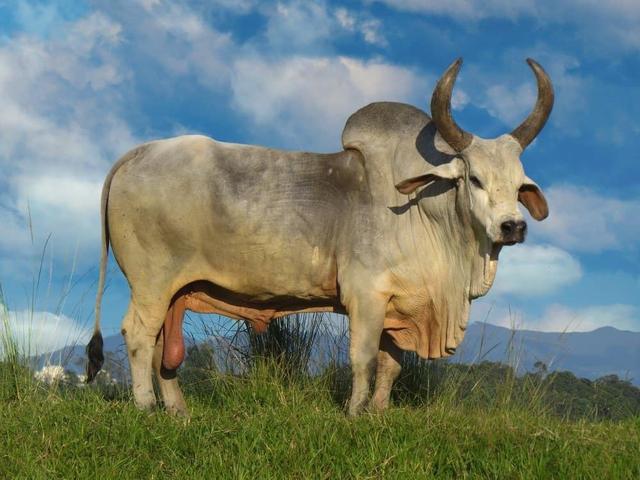
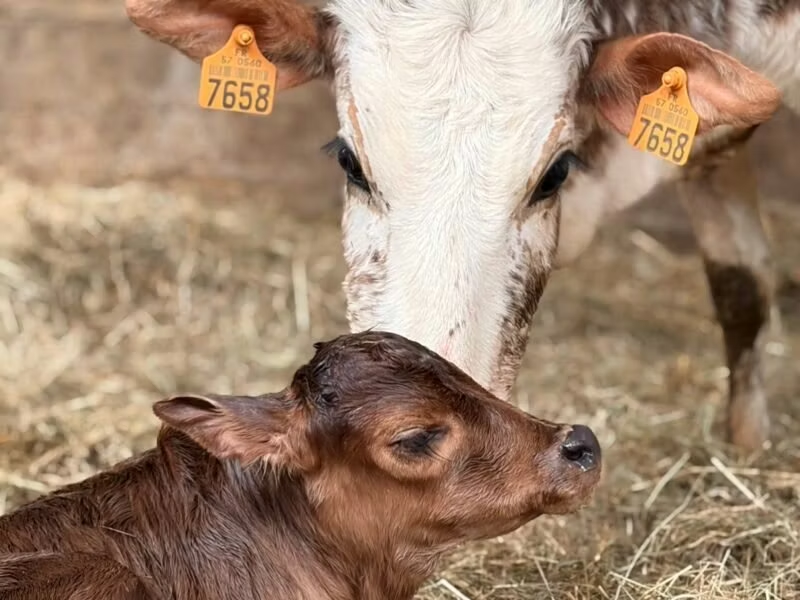
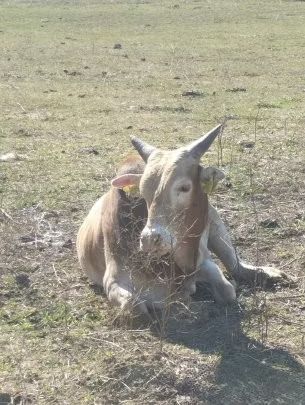
History of the breed: Zebu is a collective name for cattle of the species Bos indicus. They comprise numerous breeds that are predominantly found in South Asia, Africa, and tropical regions. The history of zebu dates back to ancient times, and they can be considered one of the first animals domesticated by humans. The exact dates when zebu were first domesticated remain a mystery, but archaeological findings confirm that these animals inhabited Central Asia as early as 3,000 to 2,500 years BC. Their presence in this region is noted in ancient materials studied by Russian and Soviet scientists. The original distribution area of zebu covered the northwest of South Asia, from where they began to spread to other regions. In the 17th and 18th centuries, small groups of zebu were exported from India to countries in South America. Brazil was particularly significant, as zebu were imported there to improve local cattle. Initially, these were single shipments, but from 1890 to 1921, more than 5,000 head were brought from India to Brazil. However, an outbreak of cattle plague temporarily halted this process. In the absence of new shipments from India, crossbreeding of zebu with local breeds began in Brazil, leading to the emergence of the so-called Indo-Brazilian Zebu. This breed combines the qualities of the imported animals with the adaptive abilities of the local cattle. Today, zebu can be found on almost all continents, but the largest populations are in two countries. India remains the leader, with about 270 million head, while Brazil has around 155 million. Zebu play an important role not only in agriculture but also in the culture of certain regions. Exterior: Zebu are cows that can vary greatly in appearance depending on the breed, but there are several characteristics common to most representatives of this group. One of the most noticeable features is the hump located in the withers area. It mainly consists of muscle rather than fat, and although its exact role is not fully understood, it is believed to help zebu regulate body temperature, which is especially important in hot climates. The skin of zebu is generally loose, slightly sagging, and pigmentation can vary depending on the breed of the animal. All representatives of this breed have horns, but their shape and size can differ significantly.
ተጨማሪ ለማወቅ ግባ
ግባበምን ይመገባል
Diet: The nutrition of zebu needs to be carefully thought out and balanced, taking into account the climatic conditions in which these animals are kept, as well as seasonal changes. The basis of the diet should be roughage, such as hay, straw, and silage, which provide the necessary amount of fiber. These feeds help maintain normal digestion in the animals and give them the energy needed for their daily activities. Additionally, it is important to include concentrated feeds in the zebu's diet, such as grains, cake, and compound feeds, as they provide the animals with proteins and carbohydrates essential for their health and productivity. During pregnancy and lactation, cows require additional nutrition that should be rich in protein and minerals. This is necessary to support the health of both the cow and her calf. Proteins help build and repair tissues, while minerals play an important role in metabolic processes, supporting the skeletal and dental systems, as well as other vital functions of the body. Calves in the first months of their lives feed on their mother's milk, which is their main source of nutrition, as it contains all the necessary nutrients needed for their normal growth and development. However, as they grow older, calves begin to transition to plant feeds, grass, and other plants that help them adapt to adult food. This transition should be gradual so that the calf's body can get used to the new food and digest it properly.
የአካል መለኪያዎች
የወንድ ክብደት: 950–1150 ኪ.ግ
የሴቷ ክብደት: 600–800 ኪ.ግ
የወንዱ ቁመት: 120–140 ሴሜ
የሴቷ ቁመት: 100–125 ሴሜ
የመኖሪያ ክልል
ሀንጋሪ
ሀይቲ
ህንድ
ሆንዱራስ
ሆንግ ኮንግ ልዩ የአስተዳደር ክልል ቻይና
ሉክሰምበርግ
ሊቢያ
ሊባኖስ
ሊቱዌኒያ
ሊችተንስታይን
ላትቪያ
ላኦስ
ላይቤሪያ
ሌሶቶ
ሚክሮኔዢያ
ማሊ
ማላዊ
ማሌዢያ
ማልታ
ማልዲቭስ
ማርሻል አይላንድ
ማርቲኒክ
ማካኦ ልዩ የአስተዳደር ክልል ቻይና
ማዕከላዊ አፍሪካ ሪፑብሊክ
ማይናማር(በርማ)
ማዳጋስካር
ሜክሲኮ
ሜይኦቴ
ምዕራባዊ ሳህራ
ሞልዶቫ
ሞሪሸስ
ሞሪቴኒያ
ሞሮኮ
ሞናኮ
ሞንተኔግሮ
ሞንጎሊያ
ሞዛምቢክ
ሩስያ
ሩዋንዳ
ሪዩኒየን
ሮሜኒያ
ሰሎሞን ደሴት
ሰሜን መቄዶንያ
ሰሜን ኮሪያ
ሰርብያ
ሱማሌ
ሱሪናም
ሱዋዚላንድ
ሱዳን
ሲሪላንካ
ሲሼልስ
ሲንት ማርተን
ሲንጋፖር
ሳሞአ
ሳን ማሪኖ
ሳኦ ቶሜ እና ፕሪንሲፔ
ሳውድአረቢያ
ሳይፕረስ
ሴራሊዮን
ሴኔጋል
ሴንት ሉቺያ
ሴንት ማርቲን
ስሎቫኪያ
ስሎቬኒያ
ስዊዘርላንድ
ስዊድን
ስፔን
ሶሪያ
ቅዱስ ቪንሴንት እና ግሬናዲንስ
ቅዱስ ኪትስ እና ኔቪስ
በሊዝ
ቡህታን
ቡልጌሪያ
ቡርኪና ፋሶ
ባሃማስ
ባህሬን
ባርቤዶስ
ባንግላዲሽ
ቤላሩስ
ቤልጄም
ቤርሙዳ
ቤኒን
ብሩኒ
ብሩንዲ
ብራዚል
ቦሊቪያ
ቦስኒያ እና ሄርዞጎቪኒያ
ቦትስዋና
ቫኑአቱ
ቬትናም
ቬንዙዌላ
ቱርክ
ቱቫሉ
ቱኒዚያ
ቲሞር ሌስቴ
ታንዛኒያ
ታይላንድ
ታይዋን
ትሪናዳድ እና ቶቤጎ
ቶንጋ
ቶጐ
ቺሊ
ቻይና
ቻድ
ቼቺያ
ኒካራጓ
ኒው ካሌዶኒያ
ኒው ዚላንድ
ኒጀር
ናሚቢያ
ናኡሩ
ናይጄሪያ
ኔዘርላንድ
ኔፓል
ኖርዌይ
አልባኒያ
አልጄሪያ
አሩባ
አርሜኒያ
አርጀንቲና
አንቲጓ እና ባሩዳ
አንዶራ
አንጉይላ
አንጐላ
አውስትራልያ
አዘርባጃን
አየርላንድ
አይል ኦፍ ማን
አይስላንድ
አፍጋኒስታን
ኡራጓይ
ኢራቅ
ኢራን
ኢትዮጵያ
ኢንዶኔዢያ
ኢኳቶሪያል ጊኒ
ኢኳዶር
ኤል ሳልቫዶር
ኤስቶኒያ
እስራኤል
ኦማን
ኦስትሪያ
ኩራሳዎ
ኩባ
ኩክ ደሴቶች
ኪሪባቲ
ካሜሩን
ካምቦዲያ
ካናዳ
ካይማን ደሴቶች
ኬንያ
ኬፕቨርዴ
ክሮኤሽያ
ክዌት
ኮሎምቢያ
ኮሞሮስ
ኮስታሪካ
ኮሶቮ
ኮትዲቯር
ኮንጎ ብራዛቪል
ኮንጎ-ኪንሻሳ
ኳታር
ዋሊስ እና ፉቱና ደሴቶች
ዚምቧቤ
ዛምቢያ
የመን
የሰሜናዊ ማሪያና ደሴቶች
የተባበሩት ዓረብ ኤምሬትስ
የቱርኮችና የካኢኮስ ደሴቶች
የአላንድ ደሴቶች
የአሜሪካ ሳሞአ
የአሜሪካ ቨርጂን ደሴቶች
የእንግሊዝ ቨርጂን ደሴቶች
የካሪቢያን ኔዘርላንድስ
የፈረንሳይ ጉዊአና
የፈረንሳይ ፖሊኔዢያ
የፋሮ ደሴቶች
የፍልስጤም ግዛት
ዩናይትድ ስቴትስ
ዩናይትድ ኪንግደም
ዩክሬን
ዩጋንዳ
ደቡብ ሱዳን
ደቡብ አፍሪካ
ደቡብ ኮሪያ
ዴንማርክ
ዶመኒካን ሪፑብሊክ
ዶሚኒካ
ጀርመን
ጀርሲ
ጂቡቲ
ጂብራልተር
ጃማይካ
ጃፓን
ጆርዳን
ጆርጂያ
ጉርነሲ
ጉዋም
ጉዋቲማላ
ጉዋደሉፕ
ጉያና
ጊኒ
ጊኒ-ቢሳው
ጋምቢያ
ጋቦን
ጋና
ግሪንላንድ
ግሪክ
ግሬናዳ
ግብጽ
ጣሊያን
ፈረንሳይ
ፊሊፒንስ
ፊንላንድ
ፊጂ
ፓላው
ፓራጓይ
ፓናማ
ፓኪስታን
ፓፑዋ ኒው ጊኒ
ፔሩ
ፖላንድ
ፖርቱጋል
ፖርታ ሪኮ
ተደጋጋሚ ጥያቄዎች
Zebu ስንት ኪሎ ይመዝናል?
የጎልማሳ እንስሳ: ወንድ — 950–1150 ኪ.ግ, ሴት — 600–800 ኪ.ግ.
Zebu ስንት ቁመት አለው?
በትከሻ ላይ ያለው ቁመት: ወንድ — 120–140 ሴሜ, ሴት — 100–125 ሴሜ.
Zebu ከየት ይመጣል?
የመነጨበት አገር — ኢንዶኔዢያ.
Zebu የት ይረባል?
ዝርያው የተስፋፋባቸው አገሮች: ሀንጋሪ, ሀይቲ, ህንድ, ሆንዱራስ, ሆንግ ኮንግ ልዩ የአስተዳደር ክልል ቻይና, ሉክሰምበርግ, ሊቢያ, ሊባኖስ.
Zebuን በምን ይመገባል?
Diet: The nutrition of zebu needs to be carefully thought out and balanced, taking into account the climatic conditions in which these animals are kept, as well as seasonal changes.
ጥያቄ እና መልስ
ጥያቄ አሁን የለም። የመጀመሪያውን ይጠይቁ!
ግባ ጥያቄ ለመጠየቅ
በክልልዎ ያሉ ማስታወቂያዎች