















































Boran — iibso ama iibi


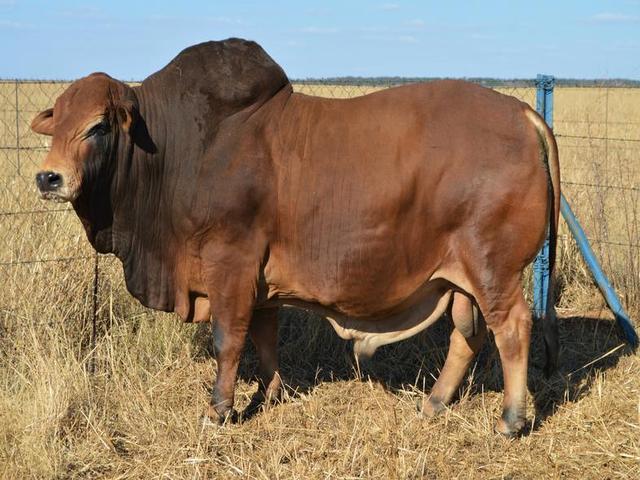
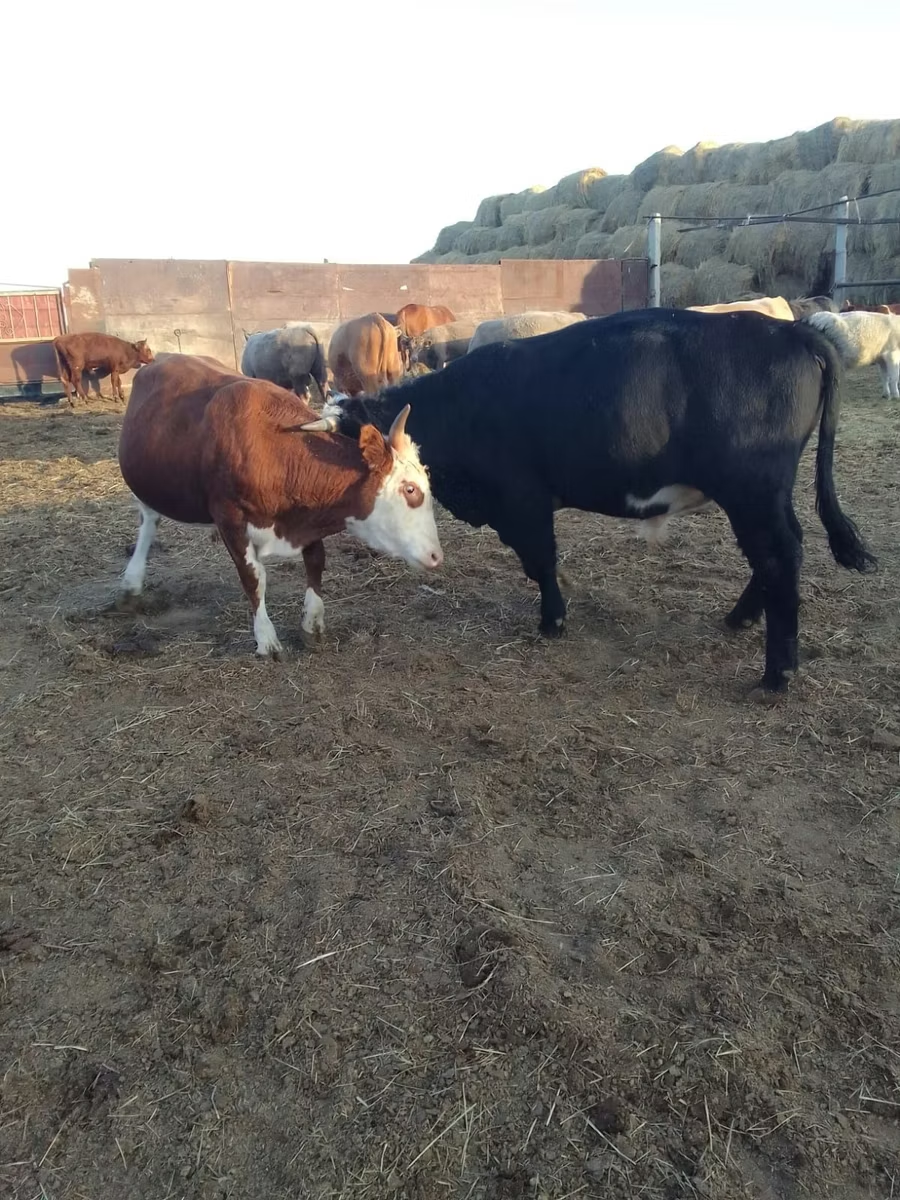
Breed history: Boran is a breed of zebu-like cattle known for its endurance, adaptability to hot climates, and quality meat. The cow originated in East Africa, on the Borana plateau in southern Ethiopia. This region is a kind of crossroads for livestock routes, where different breeds from all over Africa met and mixed. As a result of evolution and natural selection, Boran emerged as the dominant breed in East Africa. Boran is particularly popular in Kenya. There, local breeders united to form the Kenyan Boran Cattle Breeders Society (BCBS) and have been working on improving the breed since the early 20th century. They developed the so-called "Improved Boran" — a version with enhanced productivity. Scientists from the International Livestock Research Institute (ILRI) conducted genetic studies and confirmed that the Kenyan Boran is a unique breed. It turns out that the last time "new" genes entered the breed was as far back as the year 700 AD. Since then, Boran has been bred in purity for 1300 years. This has given it incredible hybrid vigor and the ability to adapt to various conditions. Modern breeders continue to work on the breed. They have significantly improved the conformation of the Boran while preserving all the valuable qualities inherited from its ancestors. Exterior: Boran has a harmonious conformation and medium size. They have a short head, small ears, a loose brisket, and a large hump over the shoulders. This hump is a characteristic feature of zebu-like breeds, to which Boran belongs. They can be either horned or polled. Their height ranges from 114 cm to 147 cm. The weight of bulls is from 500 kg to 850 kg, while cows weigh from 380 kg to 450 kg. The skin of Boran is a true protective armor. It is loose, thick, and very elastic, which helps them avoid insect bites. The dark pigmentation of the skin protects against sunburn, while the short coat provides good thermoregulation. The coat color of Boran can vary, except for brindle and pure black. Cows have well-developed udders with strong attachments and small teats, which distinguishes them from some Asian zebu breeds. Conditions of keeping: Boran has an amazing ability to withstand water and feed shortages, which is very important in arid areas. Moreover, they are not demanding regarding feed quality and can effectively digest even coarse plants.
Gal si aad wax badan u ogaato
Soo galMaxaa lagu quudiyaa
Diet: Boran is a master at efficient resource utilization. It is capable of digesting low-quality roughage and grazing on shrubs and trees. Up to 75% of the costs of raising a Boran cow during intensive fattening are attributed to feed. Quality legume hay, such as alfalfa and clover, usually contains sufficient amounts of proteins and carbohydrates for growth and maintenance of vital functions. Low-quality feeds, such as cereal straw or rain-damaged hay, require protein or energy supplements. Vitamins A, B, and E typically do not need to be supplemented in a balanced diet. However, a deficiency of vitamin A can occur when feeding dry, bleached hay. Vitamin D is synthesized under sunlight, so its deficiency may arise from prolonged indoor housing of animals. Minerals necessary for bones, teeth, proteins, and lipids are obtained from feed and mineral supplements. There are three main categories of mineral supplements: salt (usually iodized), salt with trace elements (copper, iron, iodine, cobalt, manganese, selenium, zinc), and mineral mixes containing essential minerals such as calcium and phosphorus, as well as trace elements and salt. Feeds are divided into concentrates (grains, protein supplements) and roughages (hay, pastures, silage). The ratio of concentrates to rough feeds in the diet depends on the age and sex of the Boran. For example, fattening bulls primarily receive grains, while pregnant cows can winter solely on quality roughage. It is important to remember that high-quality legume hay, such as alfalfa, can cause bloating, especially in hungry animals. On average, Boran cows consume 3-4 kg of feed for every 100 kg of body weight.
Sifooyinka jireed
Miisaanka labka: 500–850 kg
Miisaanka dheddigga: 380–450 kg
Dhererka labka: 120–147 cm
Dhererka dheddigga: 114–125 cm
Deegaanka uu ku nool yahay
Awstaraaliya
Itoobiya
Kenya
Koonfur Afrika
Maraykanka
Saambiya
Simbaabwe
Tansaaniya
Ugaanda
Su'aalaha inta badan la isweydiiyo
Intee ayuu miisaamaa Boran?
Xayawaan qaangaar ah: lab — 500–850 kg, dhedig — 380–450 kg.
Waa imisa dhererka Boran?
Dhererka garbaha: lab — 120–147 cm, dhedig — 114–125 cm.
Xaggee ayuu ka soo jeedaa Boran?
Waddanka asalka ah — Itoobiya.
Halkee lagu dhaqaa Boran?
Noocan waxaa laga helaa: Awstaraaliya, Itoobiya, Kenya, Koonfur Afrika, Maraykanka, Saambiya, Simbaabwe, Tansaaniya.
Maxaa lagu quudiyaa Boran?
Diet: Boran is a master at efficient resource utilization.
Su'aal iyo jawaab
Weli su'aalo ma jiraan. Weydii kan ugu horreeya!
Soo gal si aad su'aal u weydiiso
Xayeysiisyada gobolkaaga