






































Lebedinskaya cow — beli atau jual


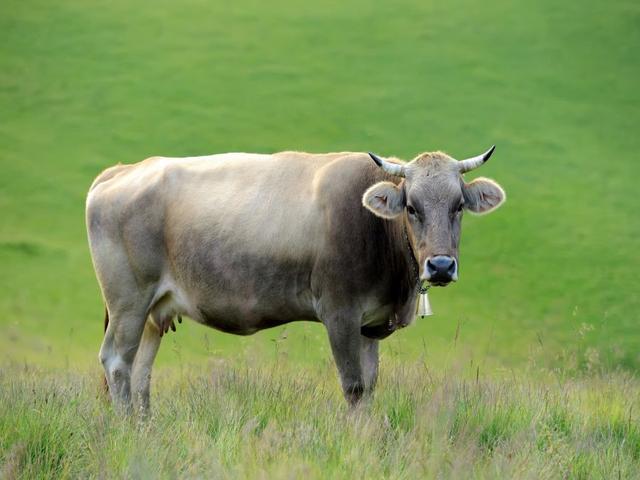
Breed history: The Lebedinskaya cow is a breed developed in Ukraine in the early 20th century. It emerged thanks to the long work of breeders in the territory of modern Ukraine. The breeding process began in the early 20th century when bulls of the Swiss breed were brought to the Kharkov province. They were crossed with the local gray Ukrainian cattle, known for their endurance and adaptability to the region's conditions. The main goal was to improve milk characteristics and overall productivity of the animals. Initial work began around 1902. The crossing was conducted methodically, focusing on selecting the best hybrids. The resulting hybrids were bred "in themselves" to consolidate desirable qualities such as high milk productivity and strong build. Breeding work continued for almost 50 years and culminated in the breed's recognition in 1950. By that time, the Lebedinskaya breed had already proven its versatility and productivity, which ensured its widespread distribution in farms in the Sumy region and other areas of Ukraine. Exterior: Although the Lebedinskaya cow is largely similar to the Swiss breed, there are some differences. The main one is a more powerful skeleton, providing strength and stability. The body is slightly elongated, with a length of about 156-160 cm. The back is straight and wide, emphasizing the strong constitution of the animal. The chest is well-developed: its depth ranges from 65 to 72 cm, and the width behind the shoulders reaches 42-49 cm. The brisket is massive and well-defined. The animal's legs are straight, strong, and correctly positioned. The head of the cows is short but has a wide forehead, highlighting harmonious proportions. All Lebedinskaya cows have horns, which are short, light, with characteristic darkening at the tips. The coat is thick, of medium thickness, and the skin is dense and elastic. The color is predominantly light brown, with dark brown or gray-brown-red being less common. The sides and front of the body have a more saturated shade, and there is a light gray stripe around the nose. The udder of the cow is voluminous, well-developed, with cylindrical-shaped teats. The udder index is 43-45%, indicating uniform development and adaptability to high milk yield. The average weight of cows reaches 500-550 kg, while bulls are significantly heavier, weighing between 850 and 1000 kg. The height at the withers of adult animals is 130-136 cm. Housing conditions: In warm weather, cows should be grazed in pastures, and in winter, they should be kept in stalls, provided with dry and succulent feed.
Log masuk untuk mengetahui lebih lanjut
Log masukApa yang perlu diberi makan
Diet: In warm weather, the diet of the Lebedinsky cows consists of fresh grass and succulent feeds to maintain health and productivity. In winter, the animals are given hay, silage, compound feed, as well as root crops, but it is important not to stop providing them with succulent feeds if possible. During pregnancy, the cows' diet is enriched with calcium, vitamins, and protein supplements. This helps maintain the health of the future mother and the normal development of the calf. Young calves receive their mother's milk in the first months, which is gradually replaced by green feeds and concentrates to ensure a smooth transition to an adult diet.
Parameter fizikal
Berat jantan: 850–1000 kg
Berat betina: 500–550 kg
Tinggi jantan: 130–145 cm
Tinggi betina: 125–130 cm
Habitat
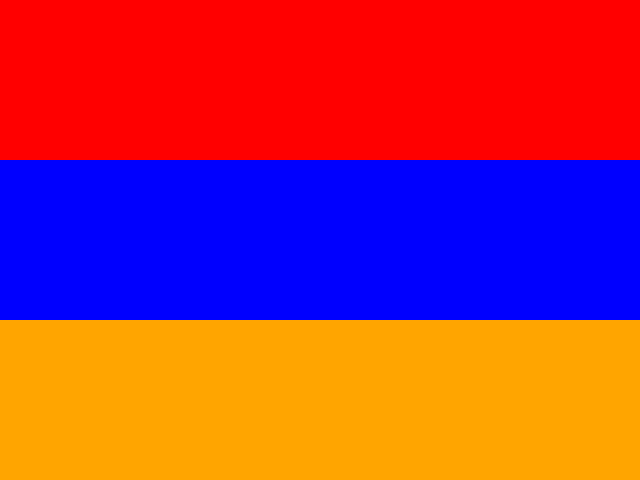
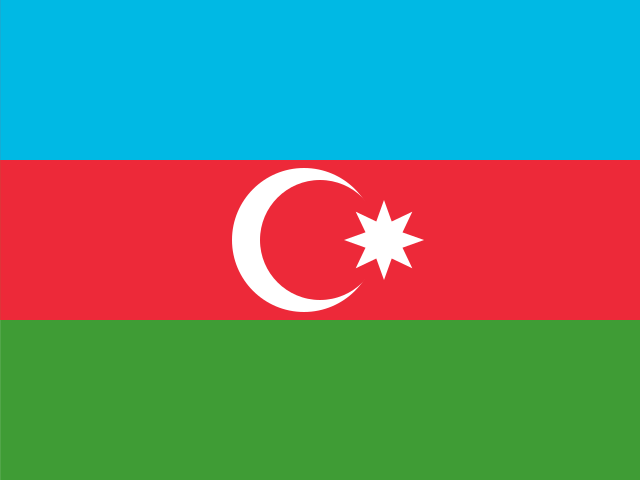
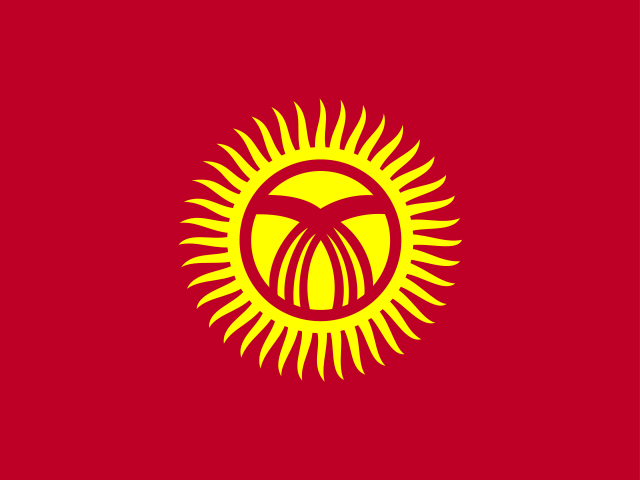
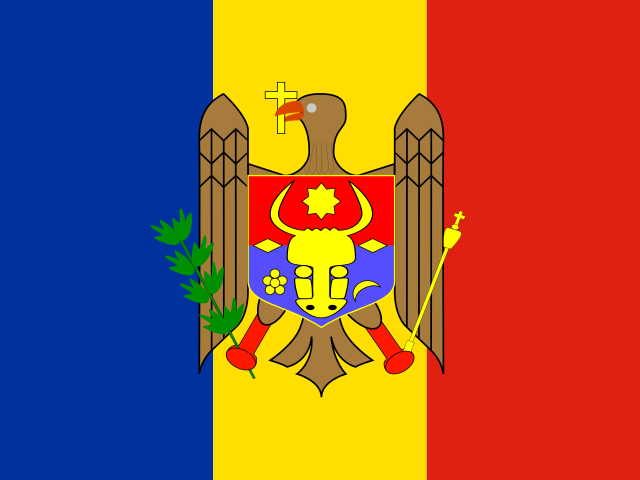
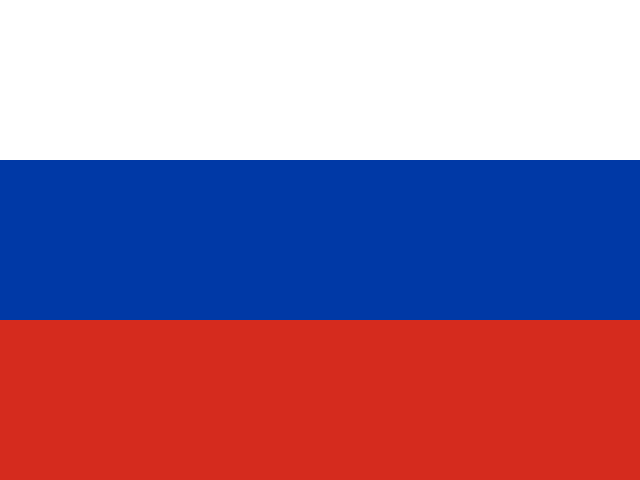
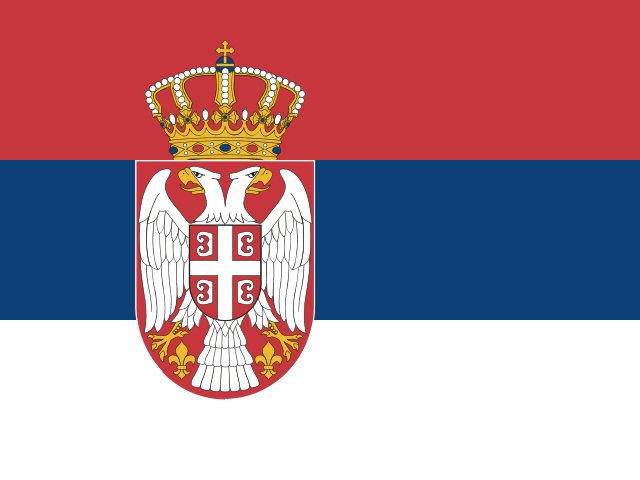
Belarus
Rusia
Ukraine
Soalan lazim
Berapakah berat Lebedinskaya cow?
Haiwan dewasa: jantan — 850–1000 kg, betina — 500–550 kg.
Berapakah ketinggian Lebedinskaya cow?
Ketinggian pada paras layu: jantan — 130–145 cm, betina — 125–130 cm.
Dari mana berasal Lebedinskaya cow?
Negara asal — Ukraine.
Di mana Lebedinskaya cow diternak?
Baka ini tersebar di: Belarus, Rusia, Ukraine.
Apa yang perlu diberi makan kepada Lebedinskaya cow?
Diet: In warm weather, the diet of the Lebedinsky cows consists of fresh grass and succulent feeds to maintain health and productivity.
Soal jawab
Belum ada soalan. Ajukan soalan pertama!
Log masuk untuk bertanya