








































Limousin cow — iibso ama iibi


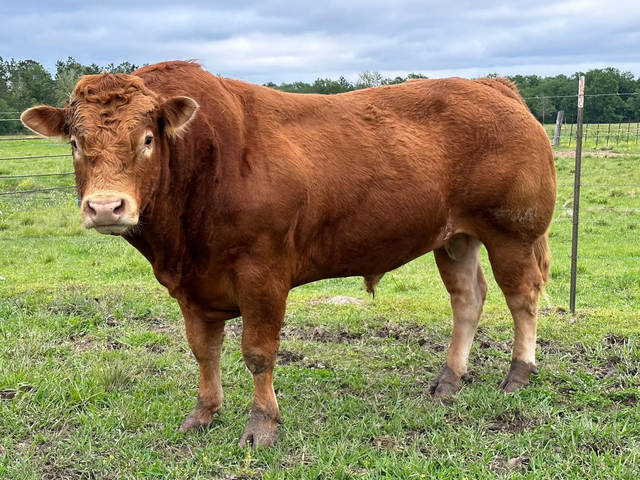
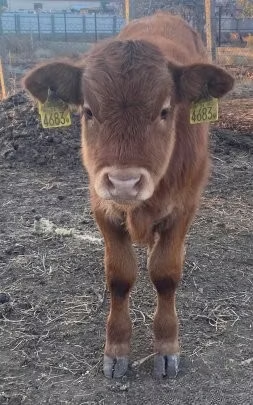
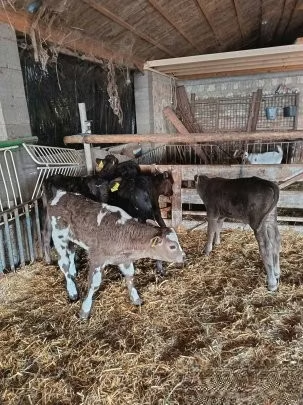
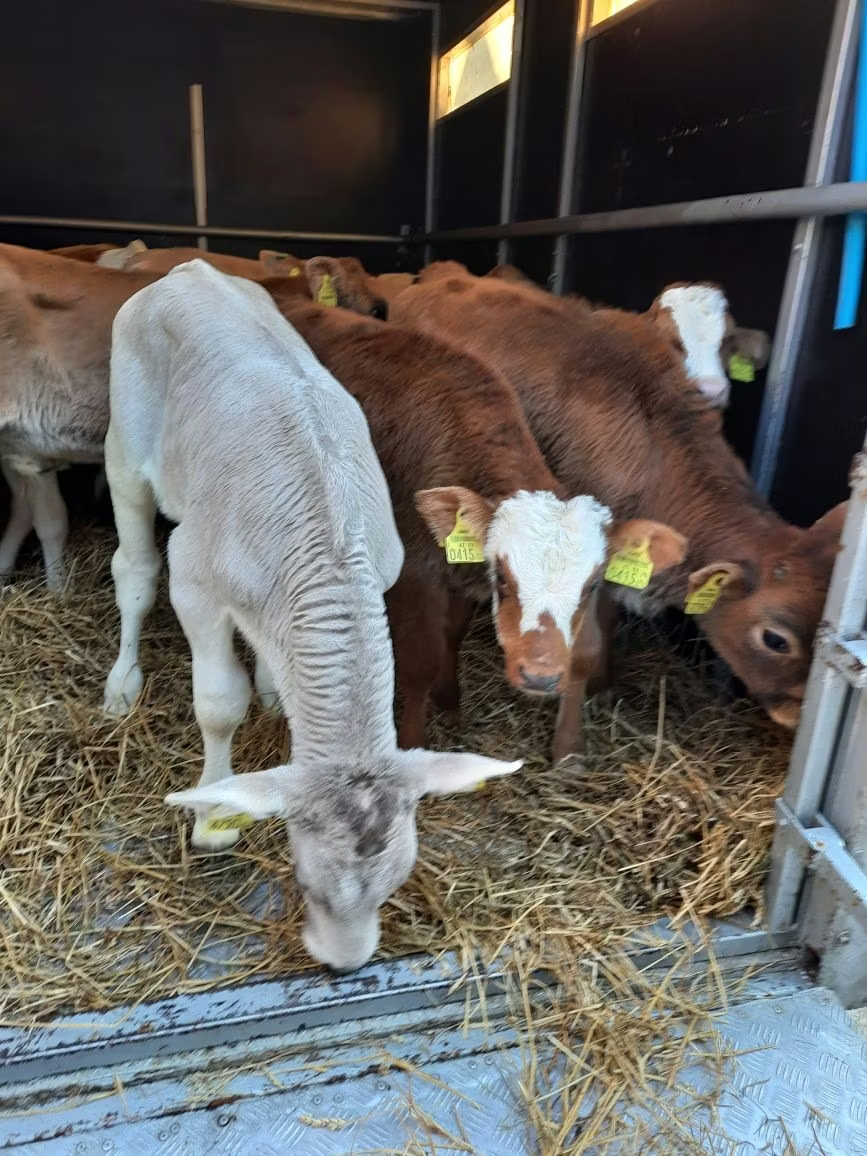
Breed history: The Limousin is one of the leading beef cattle breeds in the world, known for its endurance, high meat quality, and ease of calving. The history of the Limousin breed dates back centuries. Cave paintings in Lascaux, estimated to be 20,000 years old, depict animals remarkably similar to modern Limousins. This indicates the ancient origin of the breed. The Limousin is considered to have originated in the south-central part of France, in the regions of Limousin and Marche. The harsh climate and rocky soils of these regions contributed to the development of endurance and hardiness in these animals. The isolation of the region allowed for the preservation of the breed's purity over the centuries. Initially, Limousins were used as working animals due to their strength and endurance. In the 17th century, they were world-renowned and valued as pack animals and beef cattle. After their "working career" ended, they were fattened for slaughter. In 1886, the first breeding register for the Limousin breed was established, marking an important milestone in the breed's development. This allowed for the control of breed purity and the keeping of pedigree records. With the advent of agricultural machinery in the 1930s, the need for working animals decreased, and the breed experienced a period of decline. However, in the 1960s, Limousins were "requalified" as a beef breed and quickly regained their popularity due to their high meat quality and ease of management. Exterior: The Limousin cow is characterized by a strong build and well-developed musculature. The coat is usually either red or slightly brownish, with lighter areas around the eyes, muzzle, and lower body. Black cows are also found. The animals have a small head, with a short neck and a broad forehead. The body is elongated, with a fine bone structure, a wide back, and pronounced musculature in the sacral area. The chest is deep, with rounded ribs. The legs are muscular and correctly positioned, with strong hooves, ensuring their stability. The horns of Limousins are of a light shade. Cows weigh about 580–600 kg, while bulls reach a weight of 1000–1100 kg, sometimes up to 1200 kg. The height at the withers is 127-138 cm. The udder of the cows is well-developed, allowing for successful calf rearing. Housing conditions: The Limousin cow is known for its ability to adapt to various climatic conditions.
Gal si aad wax badan u ogaato
Soo galMaxaa lagu quudiyaa
Diet: Feeding Limousin breed requires a careful approach to maintain the health and high productivity of the animals. The basis of their diet consists of hay, grass, and clean water, which meet the natural needs of herbivores. It is recommended to additionally use concentrates in the pasture, especially for young stock, to accelerate weight gain and provide the body with necessary nutrients. In the winter period, rough feeds, especially silage, play a key role in providing energy to the animals. For pregnant cows, it is important to have an increased content of protein, vitamins, and minerals, especially in the last trimester of pregnancy, for the normal development of the fetus. Calves in the early stages of life need colostrum to form their immunity. In the following weeks, the main diet consists of maternal milk or its substitute. As they grow, they are gradually transitioned to hay, grass, and concentrates to adapt them to the food of adult cattle. When fattening Limousin bulls, high-concentration diets are sometimes used to increase weight gain efficiency. At the same time, some farms fundamentally avoid the use of growth hormones and antibiotics, as the demand for natural products is growing.
Sifooyinka jireed
Miisaanka labka: 1000–1200 kg
Miisaanka dheddigga: 580–600 kg
Dhererka labka: 127–142 cm
Dhererka dheddigga: 120–130 cm
Deegaanka uu ku nool yahay
Afgaanistaan
Albaaniya
Aljeeriya
Andora
Angoola
Anguula
Antigua & Barbuuda
Arjentiina
Armeeniya
Aruba
Asarbajan
Awstaraaliya
Awsteriya
Ayfori Koost
Ayrlaand
Ayslaand
Baanama
Baarbadoos
Babwa Niyuu Gini
Bahaamas
Bakistaan
Balaaw
Bangaladhesh
Baraasiil
Baraguaay
Barmuuda
Baxreyn
Beeru
Belarus
Beliis
Biljam
Biniin
Biritish Farjin Island
Boliifiya
Booland
Booliyneesiya Faransiiska
Boosniya & Harsegofina
Boqortooyada Midowday
Bortugaal
Botuswaana
Bueerto Riiko
Bulgaariya
Burkiina Faaso
Burundi
Buruneey
Buutan
Cayman Islands
Ciraaq
Costa Rica
Cumaan
Denmark
Dhulka Falastiiniyiinta daanta galbeed iyo marinka qasa
Dominika
Ekuwatooriyal Gini
El Salfadoor
Estooniya
Eswaatiini
Fanuaatu
Faransiis
Faransiis Gini
Fenisuweela
Fiji
Filibiin
Finland
Fiyetnaam
Gaaboon
Gaana
Gambiya
Gibraltar
Gini
Gini-Bisaaw
Giriig
Giriinaada
Greenland
Guaam
Guadeluub
Guurnsey
Guwaatamaala
Guyana
Haiti
Hangari
Hindiya
Honduras
Hong Kong
Iiraan
Ikuwadoor
Indoneesiya
Isbeyn
Islofaakiya
Islofeeniya
Israaʼiil
Iswidhan
Itoobiya
Jaad
Jaarsey
Jabaan
Jabuuti
Jamaaika
Jamhuuriyadda Afrikada Dhexe
Jamhuuriyadda Dimuquraadiga Kongo
Jamhuuriyaddda Dominika
Jarmal
Jasiiradda Aland
Jasiiradda Faroo
Jasiiradda Isle of Man
Jasiiradda Kayb Faarde
Jasiiradda Kook
Jasiiradda Maarshal
Jasiiradda Niyuu Kaledooniya
Jasiiradda Solomon
Jasiiradda Waqooyiga Mariaana
Jekiya
Jili
Joorjiya
Kaameruun
Kamboodiya
Kanada
Karibiyaan Nadarlands
Kasaakhistaan
Kenya
Kirgistaan
Kiribati
Koloombiya
Komooros
Kongo
Koonfur Afrika
Koonfur Suudaan
Koosofo
Korweeshiya
Kurakaaw
Kuuba
Kuuriyada Koonfureed
Kuuriyada Waqooyi
Kuwayt
Laos
Latfiya
Laybeeriya
Liibya
Lituweeniya
Liyjtensteyn
Losooto
Lubnaan
Luksemboorg
Maaldiifis
Maali
Maalta
Maartinik
Madagaskar
Makaaw
Malaawi
Malaysiya
Maraykanka
Masar
Masedooniya Waqooyi
Mawrishiyaas
Mayanmar
Mayotte
Meksiko
Midawga Imaaraatka Carabta
Mikroneesiya
Moldofa
Mongooliya
Moonako
Moontenegro
Morooko
Muritaaniya
Musambiik
Namiibiya
Nauru
Nayjeeriya
Nayjer
Nebaal
Nederlaands
Nikaraaguwa
Niyuusiilaand
Noorweey
Qadar
Qubrus
Riyuuniyon
Rumaaniya
Ruush
Ruwanda
Saambiya
Sacuudi Carabiya
Samoowa
Samowa Ameerika
San Marino
Sao Tome & Birincibal
Saxaraha Galbeed
Seerbiya
Shiinaha
Siint Maarteen
Simbaabwe
Singaboor
Sinigaal
Siraaliyoon
Sirilaanka
Sishelis
Soomaaliya
St. Finsent & Girenadiins
St. Kitts iyo Nevis
St. Lusia
St. Maartin
Surineym
Suudaan
Suuriya
Swiiserlaand
Tajikistan
Talyaani
Tansaaniya
Taylaand
Taywaan
Timoor
Tirinidaad & Tobago
Tonga
Toogo
Tufaalu
Tuniisiya
Turki
Turkmenistan
Turks & Kaikos Island
U.S Fargin Island
Ugaanda
Urdun
Uruguwaay
Usbakistan
Walis & Futuna
Yaman
Yukrayn
Su'aalaha inta badan la isweydiiyo
Intee ayuu miisaamaa Limousin cow?
Xayawaan qaangaar ah: lab — 1000–1200 kg, dhedig — 580–600 kg.
Waa imisa dhererka Limousin cow?
Dhererka garbaha: lab — 127–142 cm, dhedig — 120–130 cm.
Xaggee ayuu ka soo jeedaa Limousin cow?
Waddanka asalka ah — Faransiis.
Halkee lagu dhaqaa Limousin cow?
Noocan waxaa laga helaa: Afgaanistaan, Albaaniya, Aljeeriya, Andora, Angoola, Anguula, Antigua & Barbuuda, Arjentiina.
Maxaa lagu quudiyaa Limousin cow?
Diet: Feeding Limousin breed requires a careful approach to maintain the health and high productivity of the animals.
Su'aal iyo jawaab
Weli su'aalo ma jiraan. Weydii kan ugu horreeya!
Soo gal si aad su'aal u weydiiso
Xayeysiisyada gobolkaaga