














































Caucasian Brown Cow — iibso ama iibi


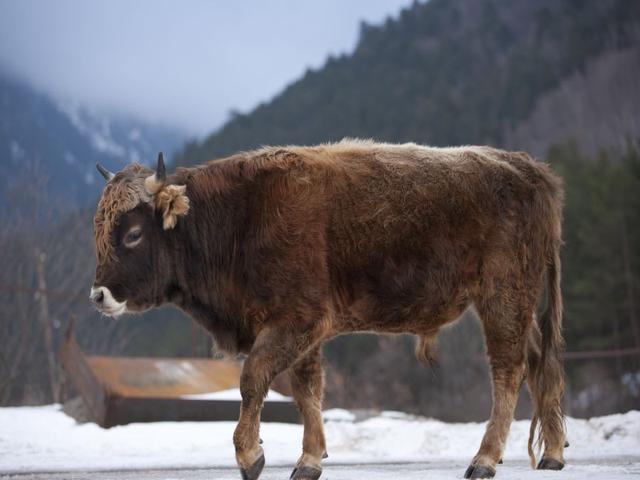
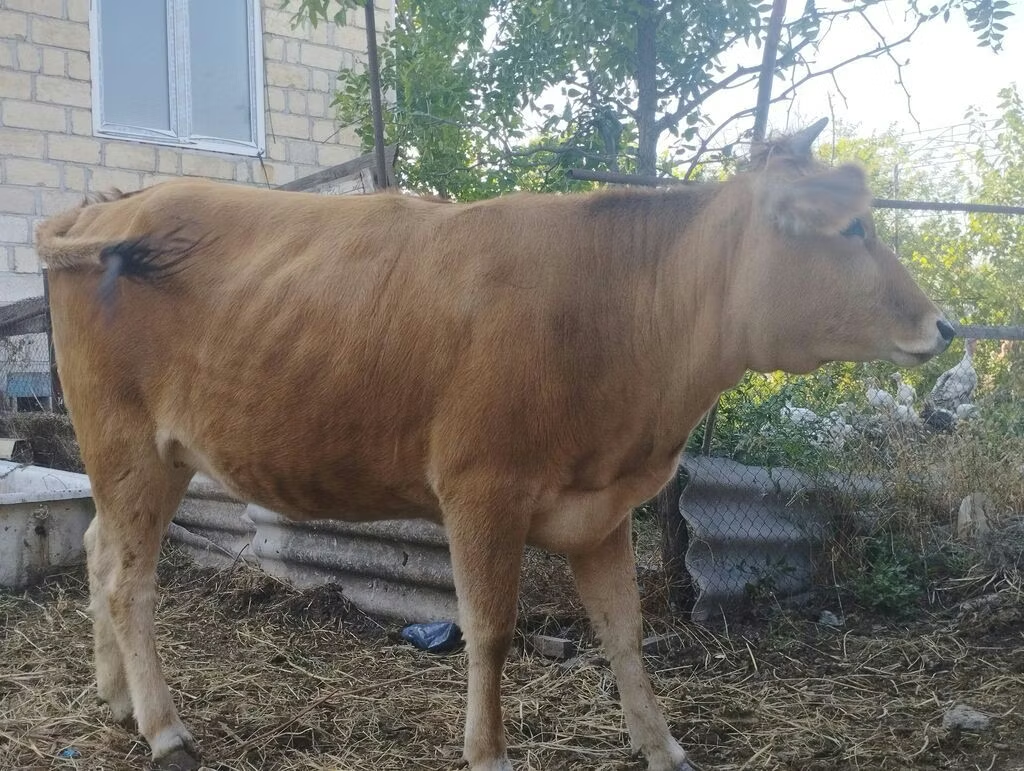
Breed history: The Caucasian Brown Cow is a breed of cattle with a milk-meat productivity direction. This breed, adapted to mountainous conditions, possesses a number of unique characteristics that make it a valuable asset for livestock breeders. The Caucasian Brown breed of cows was developed in the republics of the South Caucasus, such as Armenia, Georgia, and Azerbaijan, as well as in the North Caucasus, including Dagestan. The breeding of the breed took about 30 years, from 1930 to 1960. During this period, local Caucasian cattle were crossed with bulls of the Swiss, Kostroma, and Lebedinskaya breeds. This allowed for the creation of a breed that combined the advantages of various types of cattle, ensuring high productivity in both milk and meat directions. The breed was officially recognized in 1960. However, after the collapse of the USSR, particularly in Armenia, the breed nearly disappeared. In recent years, efforts have been made to restore it, including work at the Gyumri Breeding Station (Armenia). Exterior: The Caucasian Brown Cow has a compact body with a muscular relief and a relatively narrow shape compared to the Swiss breed. Bulls weigh between 700-800 kg, sometimes up to 900 kg. Their height at the withers is about 130 cm, while for cows it ranges from 123 to 129 cm. The weight of cows usually fluctuates between 430 and 480 kg, reaching up to 550 kg in some cases. The head of animals of this breed is small, with a broad forehead and a short neck. The legs are short and strong, correctly positioned. The hindquarters are quite wide and drooping. The chest width ranges from 37 to 41 cm. The udder of cows is round or bowl-shaped, with well-developed and properly positioned teats. The coat is short and smooth, with a brown color in various shades. A light stripe runs along the back of the animals. Bulls typically have a darker head and front body than cows. The breed is also characterized by light ears, a light ring around the nose, and a light stripe along the withers. Housing conditions: The Caucasian Brown Cow is well adapted to life in foothills and mountainous areas. It successfully utilizes mountain pastures, where it finds the necessary grasses for nutrition. This breed is sensitive to improvements in housing and feeding conditions. In winter, cows are recommended to be kept in closed facilities, such as stalls, to protect them from the cold. In summer, they should be grazed on pastures where they can move freely and feed on fresh grasses.
Gal si aad wax badan u ogaato
Soo galMaxaa lagu quudiyaa
Diet: Nutrition should include succulent feeds such as grass and silage, as well as concentrated feeds like grain and compound feed. In winter, to maintain the necessary productivity, cows should receive a sufficient amount of hay and root crops. It is important that the feed is of high quality and diverse, especially in the winter period when natural pastures are absent. In the case of bulls that are being fattened, the diet should be more calorie-dense to achieve optimal growth and weight gain.
Sifooyinka jireed
Miisaanka labka: 700–900 kg
Miisaanka dheddigga: 430–550 kg
Dhererka labka: 130–140 cm
Dhererka dheddigga: 123–129 cm
Deegaanka uu ku nool yahay
Armeeniya
Asarbajan
Belarus
Ruush
Su'aalaha inta badan la isweydiiyo
Intee ayuu miisaamaa Caucasian Brown Cow?
Xayawaan qaangaar ah: lab — 700–900 kg, dhedig — 430–550 kg.
Waa imisa dhererka Caucasian Brown Cow?
Dhererka garbaha: lab — 130–140 cm, dhedig — 123–129 cm.
Xaggee ayuu ka soo jeedaa Caucasian Brown Cow?
Waddanka asalka ah — Ruush.
Halkee lagu dhaqaa Caucasian Brown Cow?
Noocan waxaa laga helaa: Armeeniya, Asarbajan, Belarus, Ruush.
Maxaa lagu quudiyaa Caucasian Brown Cow?
Diet: Nutrition should include succulent feeds such as grass and silage, as well as concentrated feeds like grain and compound feed.
Su'aal iyo jawaab
Weli su'aalo ma jiraan. Weydii kan ugu horreeya!
Soo gal si aad su'aal u weydiiso
Xayeysiisyada gobolkaaga