



































Kazakh White-headed cow — መግዛት ወይም መሸጥ



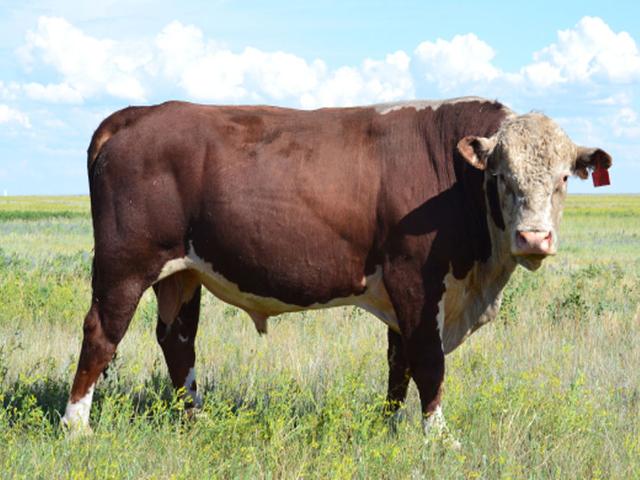
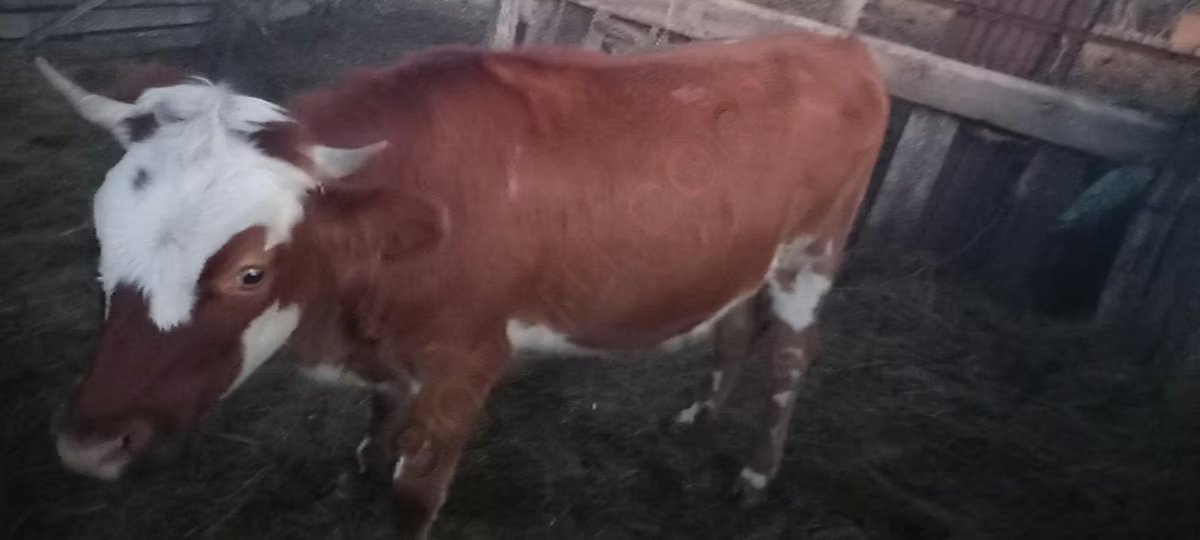
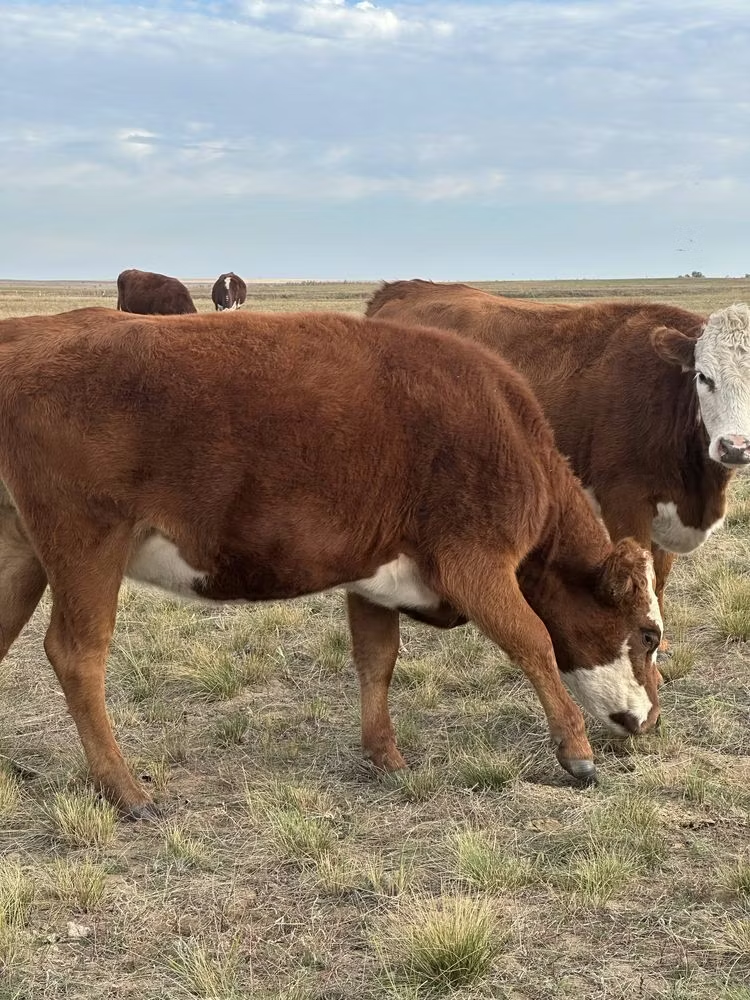
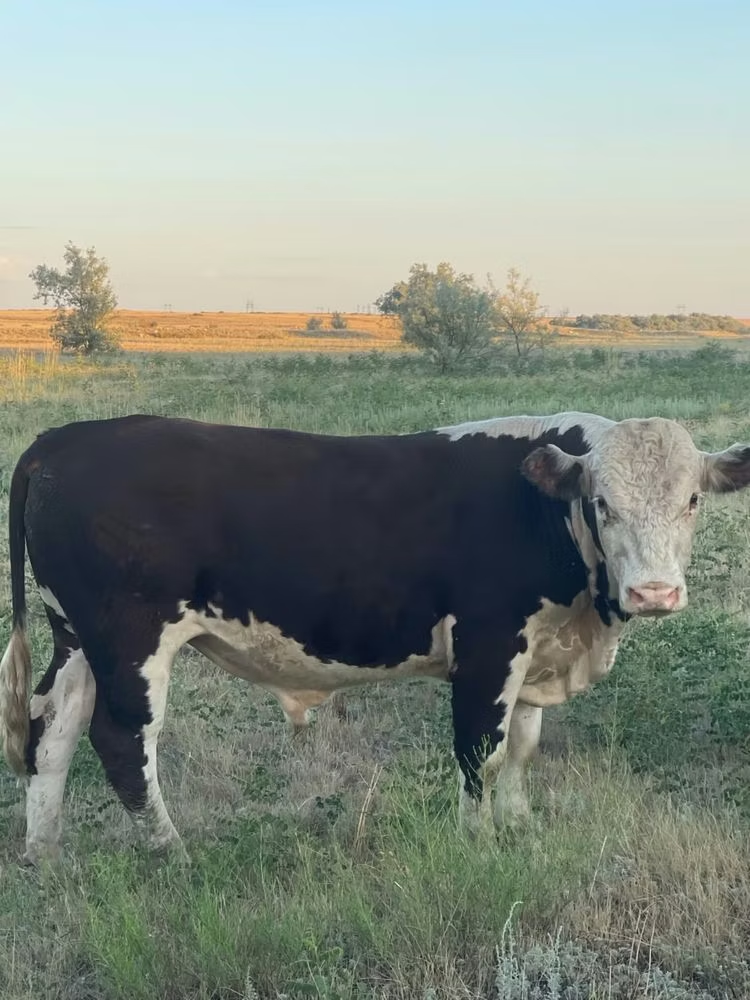
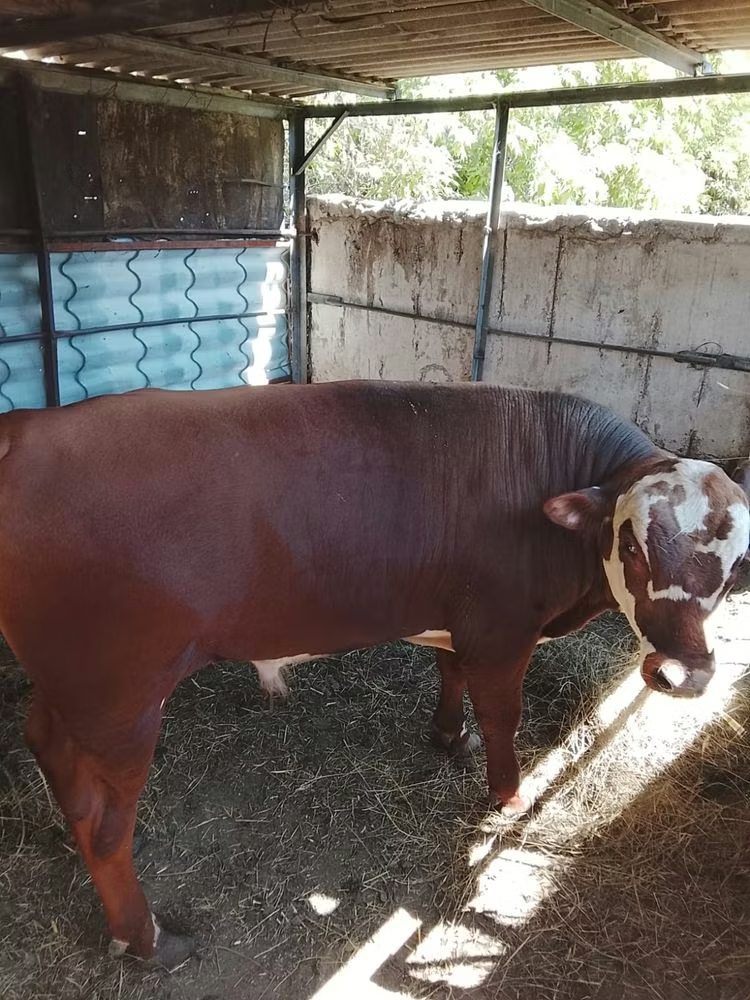
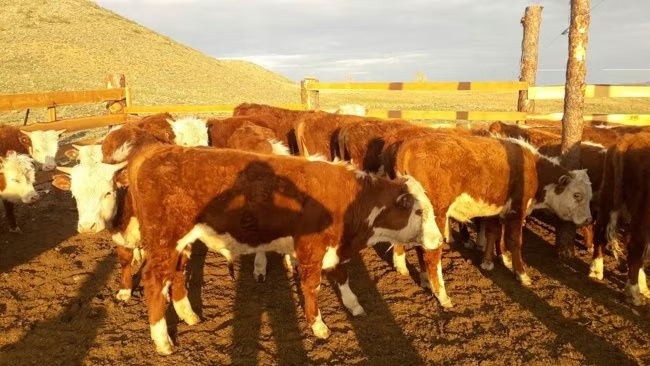
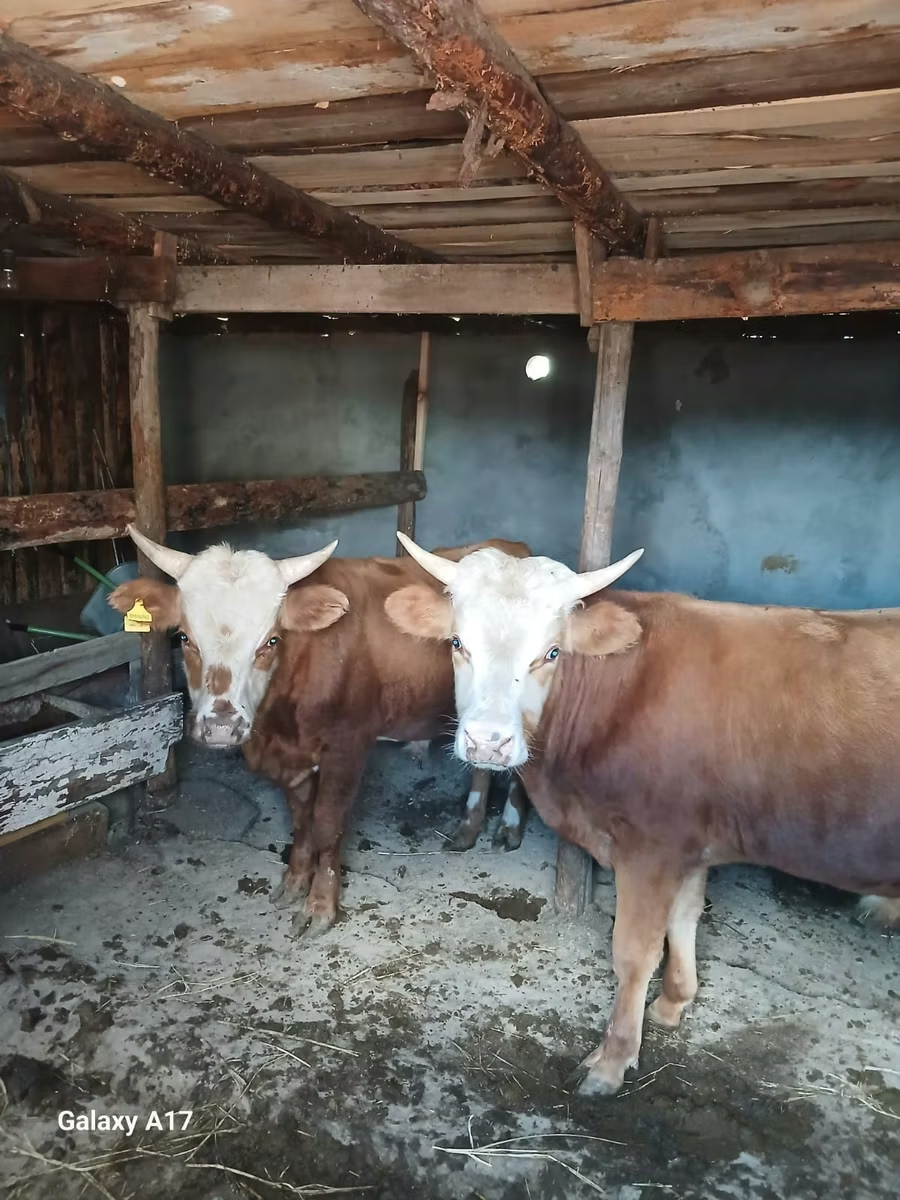
Breed history: The Kazakh White-headed cow is a breed of beef cattle developed in Kazakhstan and the southeastern part of Russia. The selection of the Kazakh White-headed breed began in the 1930s. The foundation of the work was the crossbreeding of local Kazakh and Kalmyk cows with Hereford bulls. The main goal was to create a breed that is resistant to the harsh climate of steppes and semi-deserts, with good weight gain ability on pastures. Experiments were conducted under conditions of limited winter feeding, which made the selection particularly strict. Thanks to these conditions, the breed developed high endurance and adaptation to extreme temperatures. In 1950, the Kazakh White-headed received official recognition. By the 1980s, record indicators were recorded at testing stations: bulls could gain up to 1600 grams per day and reach 600 kilograms of live weight by 15 months. By the end of 1991, the population of this breed in Kazakhstan exceeded 1.5 million heads. Later, in the Volgograd region of Russia, the Volga sub-type of the Kazakh White-headed was created. It is characterized by the absence of horns, higher reproductive performance, early maturation, and greater body mass, all of which made it particularly valuable for breeding in this region. Exterior: The Kazakh White-headed cow has a distinctive appearance. Its coat combines red shades with white areas. White hair covers the head, lower part of the body, brisket, legs, and tail tip. This coloration was inherited from its Hereford ancestors. The body of these cows is strong, with well-developed musculature, and the overall build is compact. The skeleton of the animals is sturdy, with a wide and deep chest that emphasizes their strength. The limbs are relatively short but proportional and strong, providing stability. The height at the withers averages 133 cm for bulls and about 124 cm for cows. The live weight of males can range from 950 to 1100 kg, while females weigh between 540 and 800 kg. Although most representatives of the breed have horns, polled individuals are also found, especially among the Volga sub-type, which is bred in some regions. Housing conditions: The Kazakh White-headed cow easily adapts to pasture-based management, especially in steppe and semi-desert areas. These cows withstand both the summer heat and harsh winter frosts. This remarkable adaptation is explained by the peculiarities of heat exchange, which changes with the seasons.
ተጨማሪ ለማወቅ ግባ
ግባበምን ይመገባል
Diet: For adult animals, the main feed in summer consists of pasture vegetation. In the winter period, the diet includes roughage such as straw, supplemented with silage and concentrates. This feeding regimen allows animals to maintain good productivity even under conditions of limited feed availability. Young animals in the first months of life receive milk, which is gradually supplemented with concentrated feeds. This helps calves adapt more quickly to independent feeding and promotes their intensive growth. Breeding bulls require a more nutritious diet that includes legumes and cereal crops, as well as succulent feeds and quality hay. This approach supports their good physical condition and productivity.
የአካል መለኪያዎች
የወንድ ክብደት: 950–1100 ኪ.ግ
የሴቷ ክብደት: 540–800 ኪ.ግ
የወንዱ ቁመት: 120–133 ሴሜ
የሴቷ ቁመት: 115–124 ሴሜ
የመኖሪያ ክልል
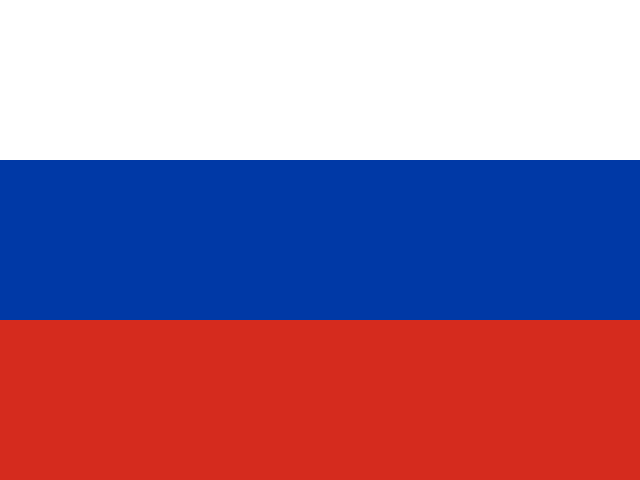
ሩስያ
ቤላሩስ
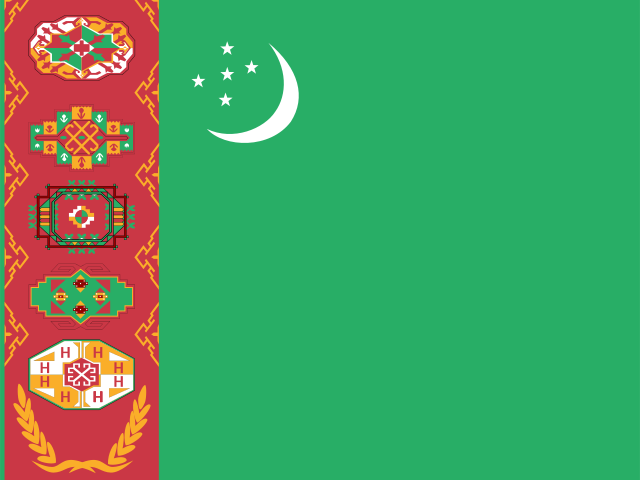
ኡዝቤኪስታን
ኪርጊስታን
ካዛኪስታን
ዩክሬን
ተደጋጋሚ ጥያቄዎች
Kazakh White-headed cow ስንት ኪሎ ይመዝናል?
የጎልማሳ እንስሳ: ወንድ — 950–1100 ኪ.ግ, ሴት — 540–800 ኪ.ግ.
Kazakh White-headed cow ስንት ቁመት አለው?
በትከሻ ላይ ያለው ቁመት: ወንድ — 120–133 ሴሜ, ሴት — 115–124 ሴሜ.
Kazakh White-headed cow ከየት ይመጣል?
የመነጨበት አገር — ካዛኪስታን.
Kazakh White-headed cow የት ይረባል?
ዝርያው የተስፋፋባቸው አገሮች: ሩስያ, ቤላሩስ, ኡዝቤኪስታን, ኪርጊስታን, ካዛኪስታን, ዩክሬን.
Kazakh White-headed cowን በምን ይመገባል?
Diet: For adult animals, the main feed in summer consists of pasture vegetation.
ጥያቄ እና መልስ
ጥያቄ አሁን የለም። የመጀመሪያውን ይጠይቁ!
ግባ ጥያቄ ለመጠየቅ
በክልልዎ ያሉ ማስታወቂያዎች