

















Icelandic cow — buy or sell

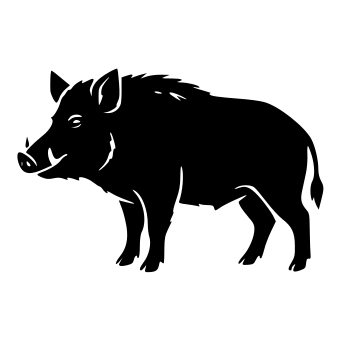

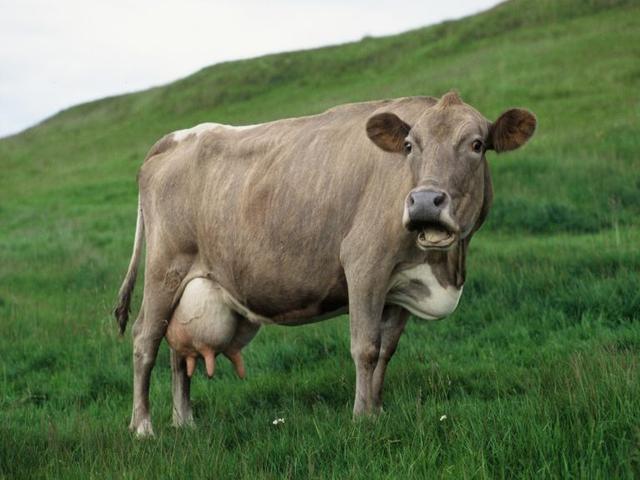
History of the breed: Icelandic cows appeared on the island with the first settlers in the 9th-10th centuries, making them one of the oldest breeds of cattle in Europe. It is believed that the ancestors of these cows were brought from Norway and originate from a breed known as Blacksided Troender- and Nordland Cattle. Since their arrival on the island, Icelandic cows have developed in conditions of complete genetic isolation. This has been made possible by a strict ban on the import of cattle, which is in place in Iceland to prevent the spread of diseases and maintain the purity of the breed. For centuries, the breed has preserved its unique traits despite the harsh climatic conditions of Iceland. In the 20th century, targeted efforts began to improve the characteristics of this breed. The first breeding programs aimed to reduce the number of horned animals for easier management. Later, in 1974, farmers began using the BLUP breeding value assessment method, and in 2017, work started on implementing genomic selection, which would allow for more effective selection of the best representatives of the breed for further breeding. Icelandic cows are an important part of the country's agriculture. Their milk and meat products are renowned for their high quality and environmental friendliness, and the breed itself is considered a national treasure. Thanks to centuries of adaptation to the cold and wet climate, they remain resilient and undemanding, making them ideal for life on poor Icelandic pastures. Exterior: Icelandic cows are a small-sized breed but have a sturdy build. The average weight of a cow is about 470 kilograms, while bulls weigh around 700 kilograms. The height at the withers for females reaches 125 centimeters, and for males, it is about 150 centimeters. These animals appear compact but possess a powerful body adapted to life in the harsh climate of Iceland. One of the most notable features of this breed is the variety of coat colors. Six main colors of fur are distinguished: red, black, brindle, gray, dark gray, and reddish-brown. Additionally, there are various combinations, making each cow unique. Approximately 95% of the animals are polled, which is convenient for management and reduces the risk of injury. Icelandic cows have an average-sized udder with four teats.
Log in to learn more
Sign inWhat to feed
Diet: In winter, Icelandic cows mainly receive hay, to which grains are added. This allows them to maintain the necessary energy and nutrients during the cold season. When summer arrives, the cows move to pastures, where they feed on fresh grass and other plants. To enhance productivity, various types of green crops are added to the feed, such as rapeseed, cabbage, oats, and barley. They help support healthy growth and milk production.
Physical parameters
Male Weight: 600–800 kg
Female weight: 400–530 kg
Male height: 130–150 cm
Female height: 110–125 cm
Habitat Range
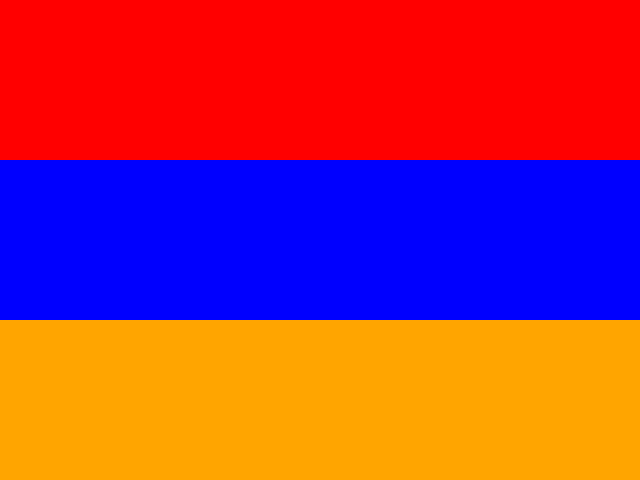
Iceland
Norway
Frequently Asked Questions
How much does Icelandic cow weigh?
Adult animal: male — 600–800 kg, female — 400–530 kg.
How tall is Icelandic cow?
Height at the withers: male — 130–150 cm, female — 110–125 cm.
Where does Icelandic cow come from?
Country of origin — Iceland.
Where is Icelandic cow bred?
The breed is common in: Iceland, Norway.
What should Icelandic cow be fed?
Diet: In winter, Icelandic cows mainly receive hay, to which grains are added.
Q&A
No questions yet. Ask the first!
Log in to ask a question