







































Gelbvieh — beli atau jual


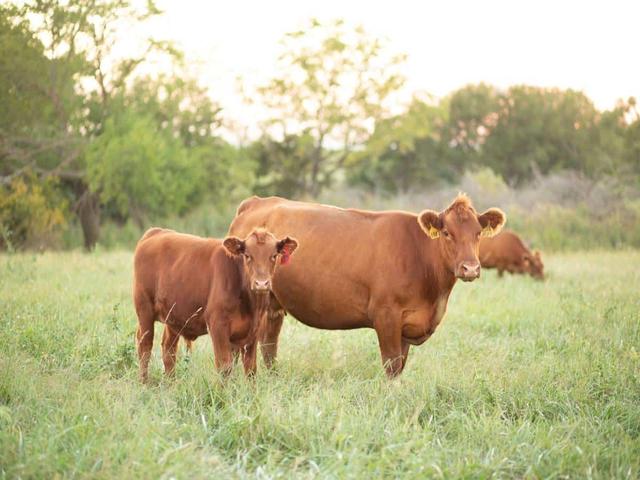
Breed history: Gelbvieh, which translates from German as "yellow cattle," is a breed of cows with deep historical roots. It is one of the oldest German breeds and originated in the mid-18th century in Bavaria. Initially, Gelbvieh was a dual-purpose breed. It was used for milk, meat, and as draft power. This speaks to its endurance and adaptability to various tasks. In the mid-19th century, the process of merging several local German breeds began, which ultimately led to the formation of Gelbvieh. The breed was officially established by 1920. In 1958, the German government launched a breed improvement program. It included artificial insemination and objective measurements for selection based on productivity, maternal traits, fertility, ease of calving, and carcass quality. From 1998 to 2018, the number of Gelbvieh in Germany decreased from 10,000 to 2,000 heads. However, the breed has spread to other countries such as Spain, Portugal, the United Kingdom, Canada, the USA, Australia, and South Africa due to artificial insemination and the export of breeding stock. Today, Gelbvieh is a breed with a global reputation. It is valued for its versatility, productivity, and adaptability to various conditions. Exterior: Gelbvieh is a large and muscular cow, indicating that it belongs to the beef breeds. The color of Gelbvieh can vary. Individuals with golden-red, dark-red, and black coats can be found. Currently, about 80% of Gelbvieh are black. Their skin is highly pigmented, which protects them from sunburn. The coat is fine and short, making them more resistant to heat. Originally, Gelbvieh was a horned breed. However, as a result of selection, most modern Gelbvieh are polled, meaning they are hornless. Gelbvieh bulls are true giants. Their weight can reach 1000-1350 kg, and their height at the withers is 148-160 cm. Gelbvieh cows are also impressive in size. Their weight ranges from 700-850 kg, and their height at the withers is 138-145 cm. The udder of Gelbvieh cows is well-developed and has a proper shape. This ensures high milk productivity and ease of milking. Housing conditions: Gelbvieh is a breed that can adapt to different living conditions. It feels equally comfortable in both hot and temperate climates. This makes it versatile and allows it to be raised in various regions of the world.
Masuk untuk info lebih lanjut
MasukApa yang harus diberikan makan
Diet: As a rule, show cattle should consume 2.5 to 3 percent of their body weight daily. They also need hay in their diet to improve digestion. Corn is a high-energy component of the diet that enhances condition. Barley is similar to corn in energy value. Oats are a balanced feed that contains protein, energy, and fiber, supporting the body. Cottonseed hulls are a source of fiber, important for digestion. Cottonseed meal and cake contribute to growth and development. All of this is part of the nutrition for Gelbvieh cows, but feeding methods are equally important. Constant access to fresh, clean water is necessary. Water is the most important element of nutrition. Water consumption is approximately 4.5-6.8 liters per 45 kg of body weight. In hot weather, consumption can reach 114 liters per day. Feeders should be clean, free of debris, dirt, and feed remnants. Avoid dampness and mold. Feed 2-3 times a day, preferably in the morning and evening, at the same time.
Parameter fisik
Berat jantan: 1000–1350 kg
Berat betina: 700–850 kg
Tinggi jantan: 148–160 cm
Tinggi betina: 138–145 cm
Habitat
Afrika Selatan
Amerika Serikat
Australia
Austria
Belarus
Inggris Raya
Jerman
Kanada
Portugal
Rusia
Spanyol
Pertanyaan umum
Berapa berat Gelbvieh?
Hewan dewasa: jantan — 1000–1350 kg, betina — 700–850 kg.
Berapa tinggi Gelbvieh?
Tinggi di layu: jantan — 148–160 cm, betina — 138–145 cm.
Dari mana asal Gelbvieh?
Negara asal — Jerman.
Di mana Gelbvieh dibudidayakan?
Ras ini tersebar di: Afrika Selatan, Amerika Serikat, Australia, Austria, Belarus, Inggris Raya, Jerman, Kanada.
Apa yang harus diberikan makan kepada Gelbvieh?
Diet: As a rule, show cattle should consume 2.
Tanya Jawab
Belum ada pertanyaan. Ajukan yang pertama!
Masuk untuk mengajukan pertanyaan