















































Corriente — iibso ama iibi





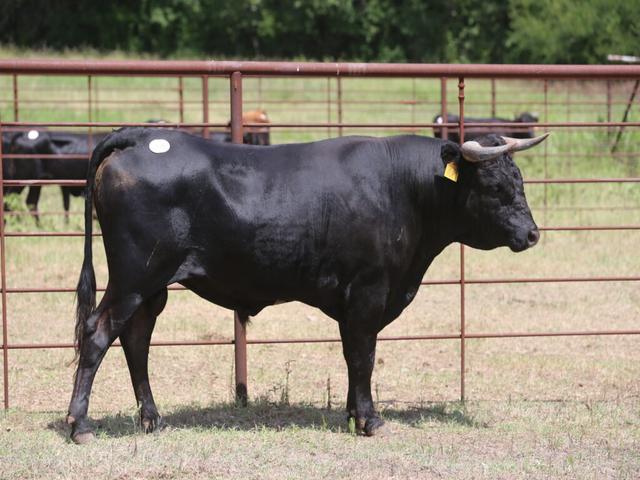
Breed history: Corriente is a breed of cattle originating from Spain, valued for its tasty lean meat and endurance, sought after in rodeos. The origins of Corriente trace back to the distant past, to the 16th century, when Spanish conquistadors brought Iberian cattle to the American continent. These animals, chosen for their endurance, ability to survive long sea voyages, and adaptability to new conditions, became the ancestors of various criollo breeds in America, including Corriente. In Mexico, in the states of Chihuahua and Sonora, these animals became widespread, and it is largely from there that the current breed emerged. In the late 19th to early 20th centuries, the importation of other European cattle breeds to the USA began. Many farmers started crossbreeding them with their Corriente herds, which led to the near-total disappearance of purebred animals. However, small populations survived in remote areas of America, and thanks to the efforts of enthusiasts and breeders, the North American Corriente Association was established in 1982, taking on the task of preserving and promoting the breed. The formation of the modern breed also involved cattle-like animals from Florida and Louisiana. In 2010, there were 1,127 registered breeding cows, and in 2016 – 114 breeders. Despite the hard work of breeders, this breed remains rare. In the USA, fewer than 1,000 purebred Corriente are registered annually, and the total world population is estimated to be less than 5,000 heads. Exterior: Corriente are small-sized cows with a refined build. Bulls are usually larger than cows. The weight of cows is 360–450 kg, while bulls reach a mass of 450–500 kg. The animals have a slender body. Their coat can be of various shades, including black, brown, and brindle, but pure white cows are not found. The head is of medium size, with a broad forehead and slightly elongated muzzle. The horns are long and strong, starting in a straight position, then curving forward and upward, with a wide base. The coat is dense, with longer hair on the ears and tail than on the rest of the body. Some individuals have a small mane, which adds to their distinctiveness. The udder of cows is of medium size, well-formed, and suitable for their moderate milk productivity.
Gal si aad wax badan u ogaato
Soo galMaxaa lagu quudiyaa
Diet: The basis of the Corriente's nutrition is grass from pastures. During periods of feed shortage or in winter, the diet can be supplemented with hay, silage, and grains. Pregnant cows require enhanced nutrition, including mineral supplements and feeds with high protein content. Calves in the early stages of life are given their mother's milk, gradually introducing concentrates and chopped grass.
Sifooyinka jireed
Miisaanka labka: 450–500 kg
Miisaanka dheddigga: 360–450 kg
Dhererka labka: 115–130 cm
Dhererka dheddigga: 110–118 cm
Deegaanka uu ku nool yahay
Isbeyn
Maraykanka
Meksiko
Su'aalaha inta badan la isweydiiyo
Intee ayuu miisaamaa Corriente?
Xayawaan qaangaar ah: lab — 450–500 kg, dhedig — 360–450 kg.
Waa imisa dhererka Corriente?
Dhererka garbaha: lab — 115–130 cm, dhedig — 110–118 cm.
Xaggee ayuu ka soo jeedaa Corriente?
Waddanka asalka ah — Isbeyn.
Halkee lagu dhaqaa Corriente?
Noocan waxaa laga helaa: Isbeyn, Maraykanka, Meksiko.
Maxaa lagu quudiyaa Corriente?
Diet: The basis of the Corriente's nutrition is grass from pastures.
Su'aal iyo jawaab
Weli su'aalo ma jiraan. Weydii kan ugu horreeya!
Soo gal si aad su'aal u weydiiso