
Afrikaner — iibso ama iibi

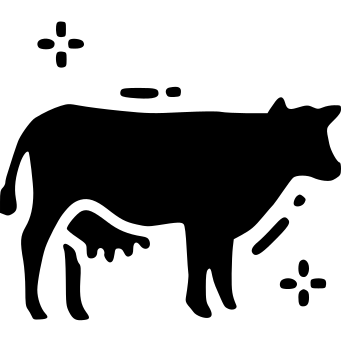

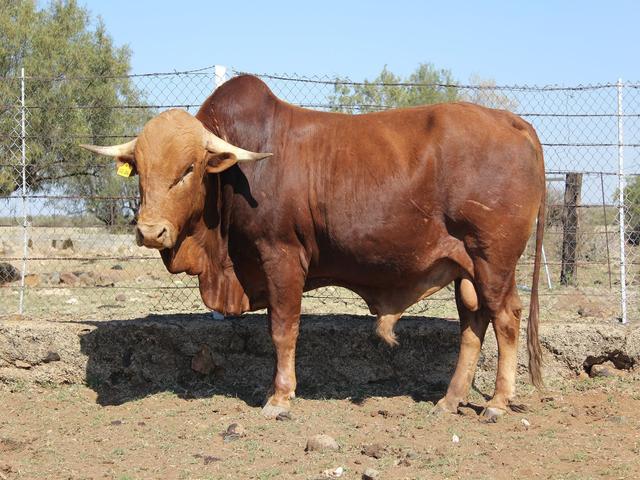
Breed history: Afrikaner (or Afrikander) is a breed of cattle that is an integral part of the history and culture of South Africa. This indigenous breed belongs to the Santa group, which includes ancient breeds of African cattle. Afrikaners are primarily raised for meat production and are considered the most popular local breed in South Africa. The history of Afrikaners dates back to ancient times. They were brought to South Africa by the Khoikhoi people as early as the first century AD. The first owners of these cattle were the Khoikhoi, who passed them on to Dutch colonists in 1652. The latter appreciated the endurance and strength of Afrikaners and began using them as draft animals. It was the Afrikaner oxen that pulled the wagons of the Boers during the Great Trek of 1835-1836, when they migrated deeper into the continent. By the end of the 19th and the beginning of the 20th century, Afrikaners were on the brink of extinction. An outbreak of cattle plague and the war in South Africa dealt a severe blow to the population. However, thanks to the efforts of farmers, the surviving herds allowed the breed to be revived. In 1912, the first Afrikaner breeding society was established in South Africa, which contributed to its further development. In the early 20th century, the breed again faced the threat of extinction due to the destruction during the Second Anglo-Boer War and an outbreak of plague. After the war, breeding improvement programs were developed, which allowed the breed not only to survive but also to spread beyond South Africa. In 1923, it was proposed to send Afrikaners to the USA, and in 1932, the US government imported a herd to improve local breeds along the Gulf Coast. In 1953, Afrikaners arrived in Australia, where they began to be studied for adaptation to the local climate. Today, the Afrikaner is a successful meat breed that is popular not only in South Africa but also in other countries around the world. Exterior: The Afrikaner is a large breed of cattle with long legs and well-developed musculature, indicating their meat production orientation. Adult cows weigh between 525–600 kg, while bulls weigh between 750–1000 kg. There are also true giants: bulls weighing over 1100 kg and cows over 800 kg. The height at the withers of Afrikaners is impressive. Adult individuals can reach 152 cm at the withers. The average height of bulls is 143 cm, while cows measure 115 cm (which is remarkable).
Gal si aad wax badan u ogaato
Soo galMaxaa lagu quudiyaa
Diet: The Afrikaner cow is very resilient and can live even in harsh conditions where there is little food and water. Afrikaner bulls raised on regular grass with the addition of phosphorus and salt weigh an average of 250 kg at 27–30 months of age. This is a very good result, considering they do not receive much special feed. Of course, Afrikaners feel best in pastures. However, during dry periods, the grass burns out, and the cows may start to starve. They particularly lack calcium and phosphorus, which negatively affects their health and productivity. To address this issue, farmers use various methods. Throughout the year, cows are given mineral supplements with calcium and phosphorus. They can also be fed grain, but this is expensive, as the grain has to be imported from other countries. In some farms, cows are fed bran and brewer's grains—these are useful and nutritious by-products from factories. However, not all farmers have the means to obtain them. Another method is to prepare straw and plant residues after harvesting for winter, such as peanut foliage. Some farmers grow special forage crops, such as lablab or dark purple macroptilium. They grow well even in areas with little water and are excellent feed for cows. Sometimes cows are supplemented with chicken manure, but it must first be specially processed to avoid infecting the cows with diseases, and such supplementation should not be overused.
Sifooyinka jireed
Miisaanka labka: 750–1000 kg
Miisaanka dheddigga: 525–600 kg
Dhererka labka: 110–143 cm
Dhererka dheddigga: 90–115 cm
Deegaanka uu ku nool yahay
Afgaanistaan
Albaaniya
Aljeeriya
Andora
Angoola
Anguula
Antigua & Barbuuda
Arjentiina
Armeeniya
Aruba
Asarbajan
Awstaraaliya
Awsteriya
Ayfori Koost
Ayrlaand
Ayslaand
Baanama
Baarbadoos
Babwa Niyuu Gini
Bahaamas
Bakistaan
Balaaw
Bangaladhesh
Baraasiil
Baraguaay
Barmuuda
Baxreyn
Beeru
Belarus
Beliis
Biljam
Biniin
Biritish Farjin Island
Boliifiya
Booland
Booliyneesiya Faransiiska
Boosniya & Harsegofina
Boqortooyada Midowday
Bortugaal
Botuswaana
Bueerto Riiko
Bulgaariya
Burkiina Faaso
Burundi
Buruneey
Buutan
Cayman Islands
Ciraaq
Costa Rica
Cumaan
Denmark
Dhulka Falastiiniyiinta daanta galbeed iyo marinka qasa
Dominika
Ekuwatooriyal Gini
El Salfadoor
Estooniya
Eswaatiini
Fanuaatu
Faransiis
Faransiis Gini
Fenisuweela
Fiji
Filibiin
Finland
Fiyetnaam
Gaaboon
Gaana
Gambiya
Gibraltar
Gini
Gini-Bisaaw
Giriig
Giriinaada
Greenland
Guaam
Guadeluub
Guurnsey
Guwaatamaala
Guyana
Haiti
Hangari
Hindiya
Honduras
Hong Kong
Iiraan
Ikuwadoor
Indoneesiya
Isbeyn
Islofaakiya
Islofeeniya
Israaʼiil
Iswidhan
Itoobiya
Jaad
Jaarsey
Jabaan
Jabuuti
Jamaaika
Jamhuuriyadda Afrikada Dhexe
Jamhuuriyadda Dimuquraadiga Kongo
Jamhuuriyaddda Dominika
Jarmal
Jasiiradda Aland
Jasiiradda Faroo
Jasiiradda Isle of Man
Jasiiradda Kayb Faarde
Jasiiradda Kook
Jasiiradda Maarshal
Jasiiradda Niyuu Kaledooniya
Jasiiradda Solomon
Jasiiradda Waqooyiga Mariaana
Jekiya
Jili
Joorjiya
Kaameruun
Kamboodiya
Kanada
Karibiyaan Nadarlands
Kasaakhistaan
Kenya
Kirgistaan
Kiribati
Koloombiya
Komooros
Kongo
Koonfur Afrika
Koonfur Suudaan
Koosofo
Korweeshiya
Kurakaaw
Kuuba
Kuuriyada Koonfureed
Kuuriyada Waqooyi
Kuwayt
Laos
Latfiya
Laybeeriya
Liibya
Lituweeniya
Liyjtensteyn
Losooto
Lubnaan
Luksemboorg
Maaldiifis
Maali
Maalta
Maartinik
Madagaskar
Makaaw
Malaawi
Malaysiya
Maraykanka
Masar
Masedooniya Waqooyi
Mawrishiyaas
Mayanmar
Mayotte
Meksiko
Midawga Imaaraatka Carabta
Mikroneesiya
Moldofa
Mongooliya
Moonako
Moontenegro
Morooko
Muritaaniya
Musambiik
Namiibiya
Nauru
Nayjeeriya
Nayjer
Nebaal
Nederlaands
Nikaraaguwa
Niyuusiilaand
Noorweey
Qadar
Qubrus
Riyuuniyon
Rumaaniya
Ruush
Ruwanda
Saambiya
Sacuudi Carabiya
Samoowa
Samowa Ameerika
San Marino
Sao Tome & Birincibal
Saxaraha Galbeed
Seerbiya
Shiinaha
Siint Maarteen
Simbaabwe
Singaboor
Sinigaal
Siraaliyoon
Sirilaanka
Sishelis
Soomaaliya
St. Finsent & Girenadiins
St. Kitts iyo Nevis
St. Lusia
St. Maartin
Surineym
Suudaan
Suuriya
Swiiserlaand
Tajikistan
Talyaani
Tansaaniya
Taylaand
Taywaan
Timoor
Tirinidaad & Tobago
Tonga
Toogo
Tufaalu
Tuniisiya
Turki
Turkmenistan
Turks & Kaikos Island
U.S Fargin Island
Ugaanda
Urdun
Uruguwaay
Usbakistan
Walis & Futuna
Yaman
Yukrayn
Su'aalaha inta badan la isweydiiyo
Intee ayuu miisaamaa Afrikaner?
Xayawaan qaangaar ah: lab — 750–1000 kg, dhedig — 525–600 kg.
Waa imisa dhererka Afrikaner?
Dhererka garbaha: lab — 110–143 cm, dhedig — 90–115 cm.
Xaggee ayuu ka soo jeedaa Afrikaner?
Waddanka asalka ah — Koonfur Afrika.
Halkee lagu dhaqaa Afrikaner?
Noocan waxaa laga helaa: Afgaanistaan, Albaaniya, Aljeeriya, Andora, Angoola, Anguula, Antigua & Barbuuda, Arjentiina.
Maxaa lagu quudiyaa Afrikaner?
Diet: The Afrikaner cow is very resilient and can live even in harsh conditions where there is little food and water.
Su'aal iyo jawaab
Weli su'aalo ma jiraan. Weydii kan ugu horreeya!
Soo gal si aad su'aal u weydiiso