



















Afrikaner — 购买或出售

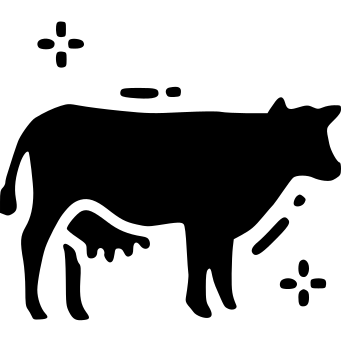

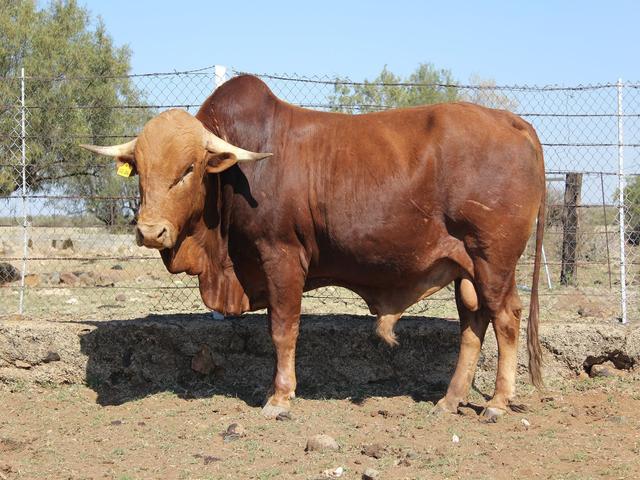
Breed history: Afrikaner (or Afrikander) is a breed of cattle that is an integral part of the history and culture of South Africa. This indigenous breed belongs to the Santa group, which includes ancient breeds of African cattle. Afrikaners are primarily raised for meat production and are considered the most popular local breed in South Africa. The history of Afrikaners dates back to ancient times. They were brought to South Africa by the Khoikhoi people as early as the first century AD. The first owners of these cattle were the Khoikhoi, who passed them on to Dutch colonists in 1652. The latter appreciated the endurance and strength of Afrikaners and began using them as draft animals. It was the Afrikaner oxen that pulled the wagons of the Boers during the Great Trek of 1835-1836, when they migrated deeper into the continent. By the end of the 19th and the beginning of the 20th century, Afrikaners were on the brink of extinction. An outbreak of cattle plague and the war in South Africa dealt a severe blow to the population. However, thanks to the efforts of farmers, the surviving herds allowed the breed to be revived. In 1912, the first Afrikaner breeding society was established in South Africa, which contributed to its further development. In the early 20th century, the breed again faced the threat of extinction due to the destruction during the Second Anglo-Boer War and an outbreak of plague. After the war, breeding improvement programs were developed, which allowed the breed not only to survive but also to spread beyond South Africa. In 1923, it was proposed to send Afrikaners to the USA, and in 1932, the US government imported a herd to improve local breeds along the Gulf Coast. In 1953, Afrikaners arrived in Australia, where they began to be studied for adaptation to the local climate. Today, the Afrikaner is a successful meat breed that is popular not only in South Africa but also in other countries around the world. Exterior: The Afrikaner is a large breed of cattle with long legs and well-developed musculature, indicating their meat production orientation. Adult cows weigh between 525–600 kg, while bulls weigh between 750–1000 kg. There are also true giants: bulls weighing over 1100 kg and cows over 800 kg. The height at the withers of Afrikaners is impressive. Adult individuals can reach 152 cm at the withers. The average height of bulls is 143 cm, while cows measure 115 cm (which is remarkable).
登录以了解更多
登录喂什么
Diet: The Afrikaner cow is very resilient and can live even in harsh conditions where there is little food and water. Afrikaner bulls raised on regular grass with the addition of phosphorus and salt weigh an average of 250 kg at 27–30 months of age. This is a very good result, considering they do not receive much special feed. Of course, Afrikaners feel best in pastures. However, during dry periods, the grass burns out, and the cows may start to starve. They particularly lack calcium and phosphorus, which negatively affects their health and productivity. To address this issue, farmers use various methods. Throughout the year, cows are given mineral supplements with calcium and phosphorus. They can also be fed grain, but this is expensive, as the grain has to be imported from other countries. In some farms, cows are fed bran and brewer's grains—these are useful and nutritious by-products from factories. However, not all farmers have the means to obtain them. Another method is to prepare straw and plant residues after harvesting for winter, such as peanut foliage. Some farmers grow special forage crops, such as lablab or dark purple macroptilium. They grow well even in areas with little water and are excellent feed for cows. Sometimes cows are supplemented with chicken manure, but it must first be specially processed to avoid infecting the cows with diseases, and such supplementation should not be overused.
物理参数
雄性体重: 750–1000 公斤
雌性体重: 525–600 公斤
雄性身高: 110–143 厘米
雌性身高: 90–115 厘米
栖息地
不丹
东帝汶
中国
中国澳门特别行政区
中国香港特别行政区
中非共和国
丹麦
乌克兰
乌兹别克斯坦
乌干达
乌拉圭
乍得
也门
亚美尼亚
以色列
伊拉克
伊朗
伯利兹
佛得角
俄罗斯
保加利亚
克罗地亚
关岛
冈比亚
冰岛
几内亚
几内亚比绍
列支敦士登
刚果(布)
刚果(金)
利比亚
利比里亚
加拿大
加纳
加蓬
匈牙利
北马其顿
北马里亚纳群岛
南苏丹
南非
博茨瓦纳
卡塔尔
卢旺达
卢森堡
印度
印度尼西亚
危地马拉
厄瓜多尔
叙利亚
古巴
台湾
吉尔吉斯斯坦
吉布提
哈萨克斯坦
哥伦比亚
哥斯达黎加
喀麦隆
图瓦卢
土库曼斯坦
土耳其
圣卢西亚
圣基茨和尼维斯
圣多美和普林西比
圣文森特和格林纳丁斯
圣马力诺
圭亚那
坦桑尼亚
埃及
埃塞俄比亚
基里巴斯
塔吉克斯坦
塞内加尔
塞尔维亚
塞拉利昂
塞浦路斯
塞舌尔
墨西哥
多哥
多米尼克
多米尼加共和国
奥兰群岛
奥地利
委内瑞拉
孟加拉国
安哥拉
安圭拉
安提瓜和巴布达
安道尔
密克罗尼西亚
尼加拉瓜
尼日利亚
尼日尔
尼泊尔
巴勒斯坦领土
巴哈马
巴基斯坦
巴巴多斯
巴布亚新几内亚
巴拉圭
巴拿马
巴林
巴西
布基纳法索
布隆迪
希腊
帕劳
库克群岛
库拉索
开曼群岛
德国
意大利
所罗门群岛
拉脱维亚
挪威
捷克
摩尔多瓦
摩洛哥
摩纳哥
文莱
斐济
斯威士兰
斯洛伐克
斯洛文尼亚
斯里兰卡
新加坡
新喀里多尼亚
新西兰
日本
智利
朝鲜
柬埔寨
根西岛
格林纳达
格陵兰
格鲁吉亚
比利时
毛里塔尼亚
毛里求斯
汤加
沙特阿拉伯
法国
法属圣马丁
法属圭亚那
法属波利尼西亚
法罗群岛
波兰
波多黎各
波斯尼亚和黑塞哥维那
泰国
泽西岛
津巴布韦
洪都拉斯
海地
澳大利亚
爱尔兰
爱沙尼亚
牙买加
特克斯和凯科斯群岛
特立尼达和多巴哥
玻利维亚
瑙鲁
瑞典
瑞士
瓜德罗普
瓦利斯和富图纳
瓦努阿图
留尼汪
白俄罗斯
百慕大
直布罗陀
科威特
科摩罗
科特迪瓦
科索沃
秘鲁
突尼斯
立陶宛
索马里
约旦
纳米比亚
缅甸
罗马尼亚
美国
美属维尔京群岛
美属萨摩亚
老挝
肯尼亚
芬兰
苏丹
苏里南
英国
英属维尔京群岛
荷兰
荷属加勒比区
荷属圣马丁
莫桑比克
莱索托
菲律宾
萨尔瓦多
萨摩亚
葡萄牙
蒙古
西撒哈拉
西班牙
贝宁
赞比亚
赤道几内亚
越南
阿塞拜疆
阿富汗
阿尔及利亚
阿尔巴尼亚
阿拉伯联合酋长国
阿曼
阿根廷
阿鲁巴
韩国
马尔代夫
马恩岛
马拉维
马提尼克
马来西亚
马约特
马绍尔群岛
马耳他
马达加斯加
马里
黎巴嫩
黑山
常见问题
Afrikaner有多重?
成年动物:公牛 — 750–1000 公斤, 母牛 — 525–600 公斤。
Afrikaner有多高?
肩高:公牛 — 110–143 厘米, 母牛 — 90–115 厘米。
Afrikaner起源于哪里?
原产国 — 南非。
Afrikaner在哪里饲养?
该品种分布于:不丹, 东帝汶, 中国, 中国澳门特别行政区, 中国香港特别行政区, 中非共和国, 丹麦, 乌克兰。
Afrikaner吃什么?
Diet: The Afrikaner cow is very resilient and can live even in harsh conditions where there is little food and water.
问答
还没有问题。第一个提问!
登录 以提问