















































Brahman — buy or sell



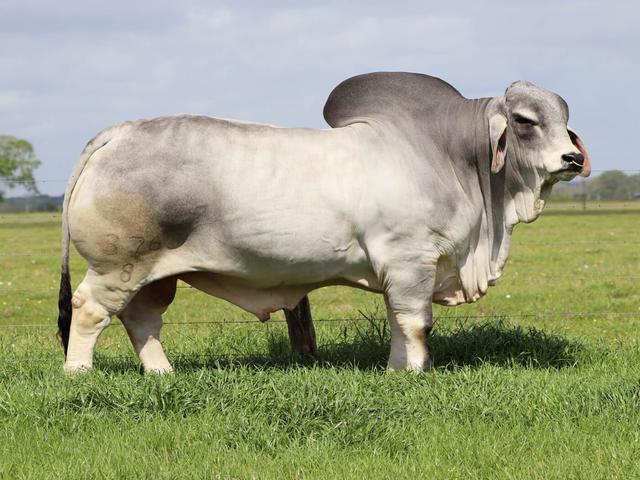
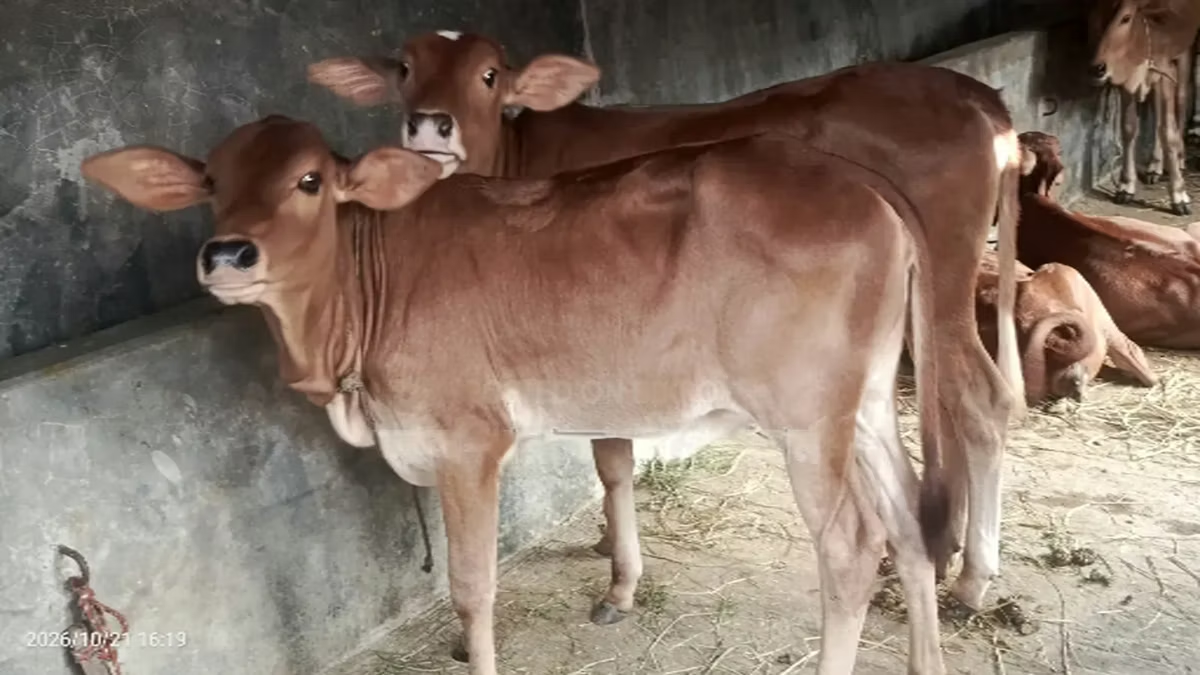
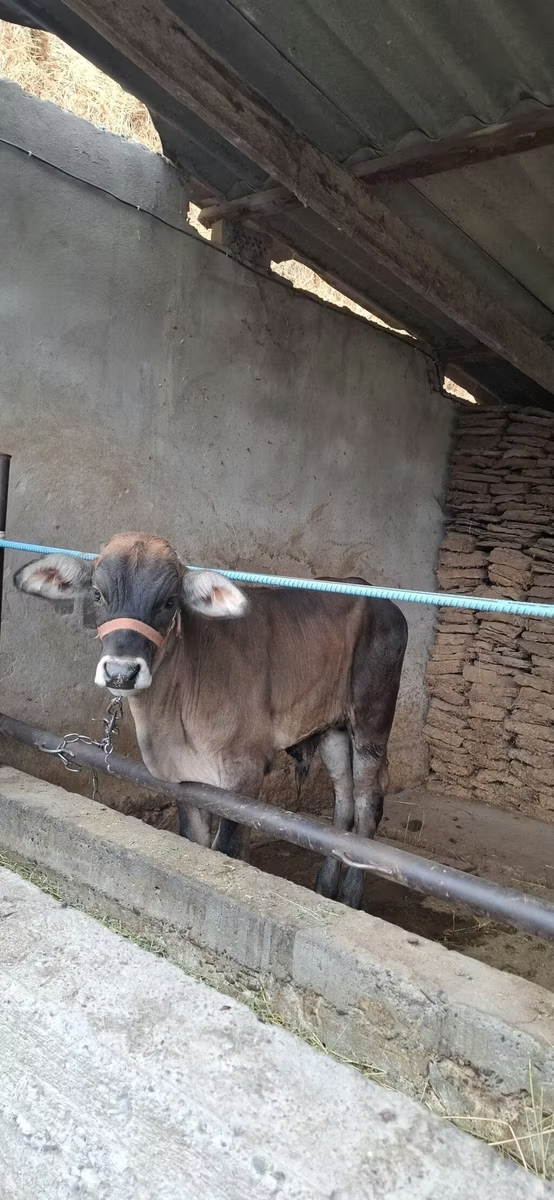
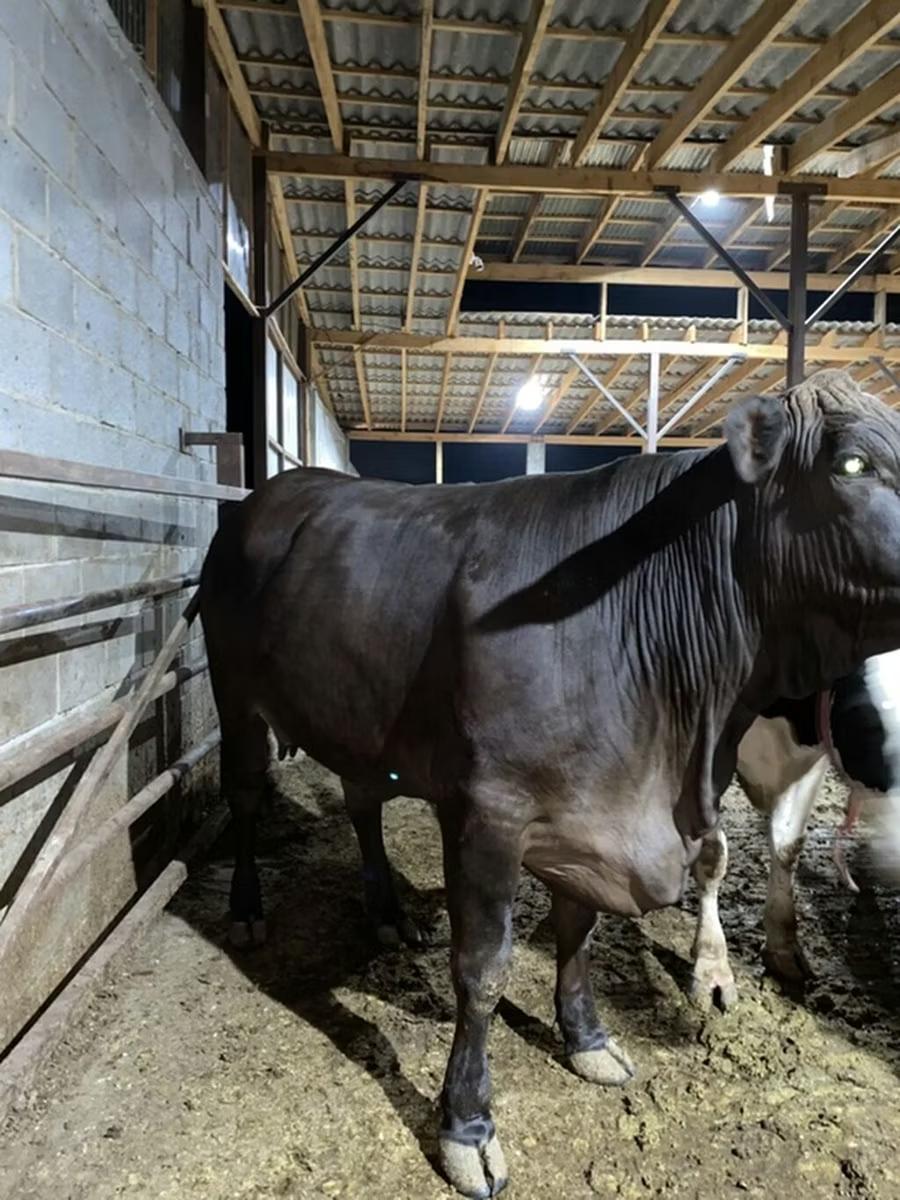
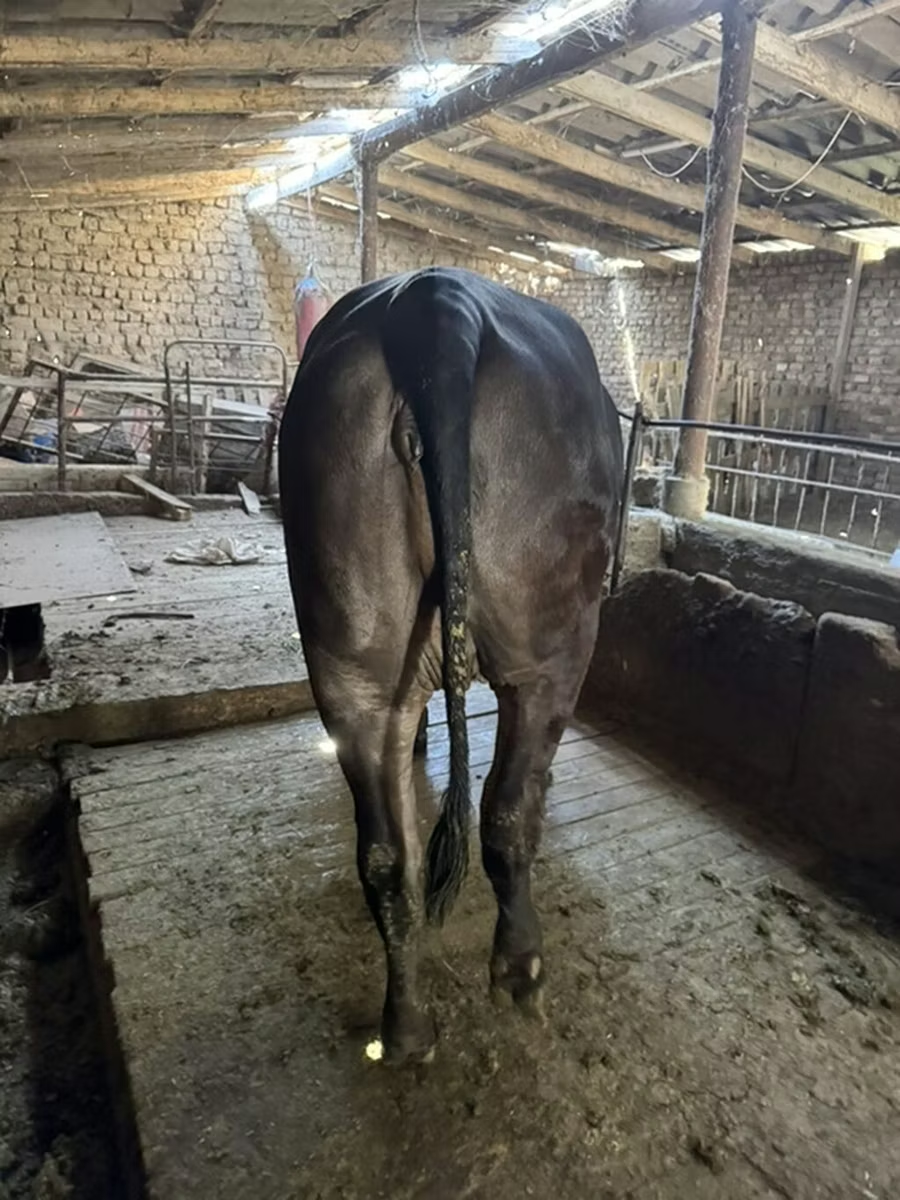
Breed history: Brahman is an American breed of beef cattle developed by crossing Zebu and European cattle. This breed is valued for its exceptional heat resistance, parasite resistance, and ability to thrive in harsh conditions. In the mid-19th century, Zebu bulls began to be imported to America. Initially, there were very few of them. One bull was brought from England in 1849, and in 1854, a farmer from Louisiana received two bulls as a gift from India. In 1885, two more bulls were brought to Texas. They were crossed with local cows, leading to the emergence of the first Brahmans. In the early 20th century, Zebu continued to be imported from India and Brazil. Some animals were initially showcased in circuses before being sold to farmers. In 1924, a special organization was established – the American Brahman Breeders Association. It was then that the breed received its name – Brahman. This organization began to keep records of all animals of this breed. In 1939, it was decided that only calves born from Brahmans previously recorded would be entered into this book. In the mid-20th century, Brahmans began to be exported to Australia. They adapted well there and became very popular, especially in the northern part of the country. Currently, Brahmans are raised in 55 countries around the world, with a total population of over 1.8 million heads. Exterior: Brahmans are easily recognizable among other cattle. They have a large hump on their neck and back made of muscle and fat. The hump is larger in bulls than in cows. Brahmans have long, drooping ears that often stick up or even bend backward. Their skin is loose and hangs slightly, especially under the chin. Their coat is short, dense, and shines in the sun. Brahman bulls are quite large, weighing between 700 and 1100 kg. Cows are smaller, weighing between 450 and 600 kg. The height of cows at the withers ranges from 127 to 140 cm, while bulls range from 135 to 152 cm. Brahmans are most often gray, but the shade can vary from light gray to almost black. Bulls are usually darker than cows, with their necks, shoulders, and lower thighs being almost black. Occasionally, red or nearly black Brahmans are found. The udder of Brahman cows is small and round, covered with hair, and the teats are usually short and thin. Housing conditions: Brahmans are accustomed to hot and humid climates. They are not afraid of heat because they have several features that help them cool down.
Log in to learn more
Sign inWhat to feed
Diet: When feeding Brahmans, it is important to remember a few simple rules. You should not abruptly change their diet. If you want to introduce new feed to the cows, it should be done gradually over 1-2 weeks. This way, they will not have digestive problems. It is best to feed Brahman calves together, at least in pairs. When they eat together, they seem to compete with each other, and each calf eats more. If you are preparing an animal for a show, you need to limit its physical activity. However, it is important that it has a dry place to lie down and shade to hide from the sun. Of course, cows should always have clean, fresh water. And, of course, the feed must be of high quality; the better it is, the healthier and more productive the animals will be. Brahmans can be fed hay, grains, and special supplements. The hay should be of good quality, like that for horses. From grains, you can give corn, oats, or barley. It is better to give corn crushed or steamed. Brahmans also need protein supplements, such as soybean or cottonseed meal. However, the protein should not exceed 12% of the total feed. The fat content in the feed should be 4-5%. This will help the young animals develop well and prepare for the show. The fiber content in the feed should be 17-20%. The feed must be completely natural, without any harmful additives. Prebiotics and vitamins can also be added to the feed. They will help the cows digest food better and contribute to their health. It is better to feed Brahmans several times a day in small portions. You can feed them twice a day, but three times is even better. If you give the cows too much feed at once, they may have digestive problems. During feeding, do not leave the feed available freely. It is better to remove it after 45 minutes to an hour. This way, the cows' appetite will be strong, and there will be no overeating.
Physical parameters
Male Weight: 700–1100 kg
Female weight: 450–600 kg
Male height: 135–152 cm
Female height: 127–140 cm
Habitat Range
Argentina
Brazil
Colombia
India
Indonesia
Paraguay
Switzerland
United Kingdom
United States
Frequently Asked Questions
How much does Brahman weigh?
Adult animal: male — 700–1100 kg, female — 450–600 kg.
How tall is Brahman?
Height at the withers: male — 135–152 cm, female — 127–140 cm.
Where does Brahman come from?
Country of origin — United States.
Where is Brahman bred?
The breed is common in: Argentina, Brazil, Colombia, India, Indonesia, Paraguay, Switzerland, United Kingdom.
What should Brahman be fed?
Diet: When feeding Brahmans, it is important to remember a few simple rules.
Q&A
No questions yet. Ask the first!
Log in to ask a question
Listings in your area