






























Vogez — buy or sell


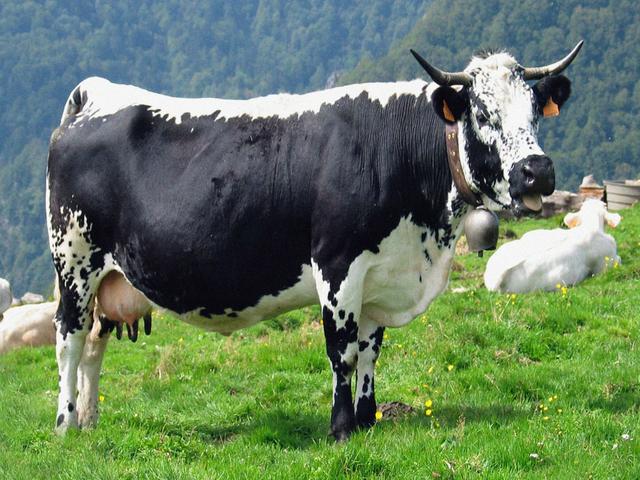
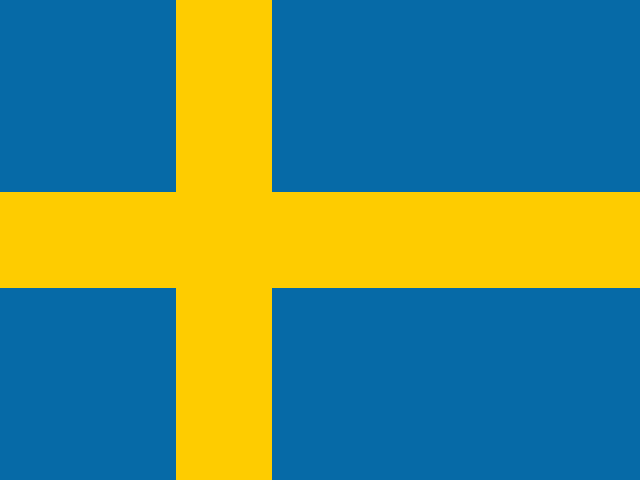
Breed history: The Vosges is a hardy and unpretentious dual-purpose breed (dairy-meat), ideally adapted to mountainous conditions. This breed, known for its calm temperament and longevity, plays an important role in the agriculture of the Vosges region in France. The history of this breed dates back to the distant past, to the 17th century, when Swedish soldiers came to the Vosges mountains, predominantly located in Alsace. After the Thirty Years' War, they brought Scandinavian cattle with them, which became the foundation for the future Vosges breed. By crossing with local breeds, these hardy animals gradually acquired traits characteristic of the Vosges cow. In the early 19th century, blood from the Lohengrin breed was added, further strengthening their constitution and increasing productivity. In 1928, a breeding book was established for the Vosges breed. This event marked an important milestone in its history, officially recognizing its uniqueness and value. By the early 20th century, the breed reached the peak of its popularity, and the number of Vosges cows in France reached an impressive 125,000 heads. However, the First and Second World Wars dealt a severe blow to the population, and competition from other breeds further exacerbated the situation. By 1976, fewer than 3,000 Vosges cows remained in France. In 1971, a decision was made to restore the breed by using the Telemark breed from Norway. Semen from bulls of this breed was used to cross with Vosges cows, which allowed for the improvement of some of their characteristics. Currently, the proportion of Telemark blood in Vosges cows is about 1/8. In 1977, a program for the protection of the Vosges breed was launched, and thanks to the efforts made, its population began to grow. By 1997, there were about 8,500 Vosges cows in France. Exterior: The primary coat color is black, with white spots. But the most interesting feature is the white stripe that runs along the entire back, from neck to tail. The head of the Vosges cow is predominantly gray, with a dark muzzle and characteristic dark rings around the eyes. Occasionally, individuals with red-pied coloration are found. The horns of Vosges cows are small and thin. They do not attract much attention and harmoniously fit into the overall appearance. Their build is strong and muscular. The legs are short and sturdy, allowing them to move easily on mountain slopes.
Log in to learn more
Sign inWhat to feed
Diet: The Vosges is capable of effectively utilizing roughage and pasture vegetation. This breed lives in harmony with nature. Its diet changes depending on the season and the availability of feed resources. In spring and summer, when the alpine pastures are covered with lush grass, Vosges cows spend time outdoors. They find their own food, moving along the slopes of the mountains and eating a variety of vegetation. This period is a true celebration for them, a time of abundance and freedom. With the arrival of autumn and the first cold weather, the amount of grass on the alpine pastures decreases. Vosges cows descend into the valley, where a different diet awaits them. Here, they feed on forage from the meadows, such as mown grass and plant remnants. In winter, when grazing in open areas becomes impossible, hay serves as the main source of nutrition for Vosges cows.
Physical parameters
Male Weight: 600–800 kg
Female weight: 450–600 kg
Male height: 135–140 cm
Female height: 125–135 cm
Habitat Range
France
Frequently Asked Questions
How much does Vogez weigh?
Adult animal: male — 600–800 kg, female — 450–600 kg.
How tall is Vogez?
Height at the withers: male — 135–140 cm, female — 125–135 cm.
Where does Vogez come from?
Country of origin — France.
What should Vogez be fed?
Diet: The Vosges is capable of effectively utilizing roughage and pasture vegetation.
Q&A
No questions yet. Ask the first!
Log in to ask a question