










Kalmyk breed — buy or sell


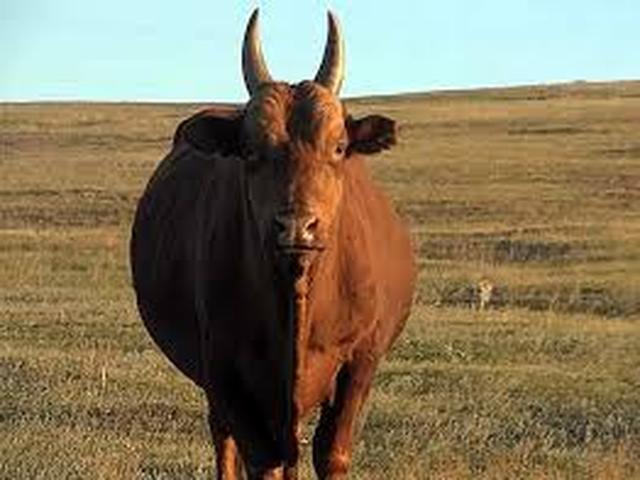
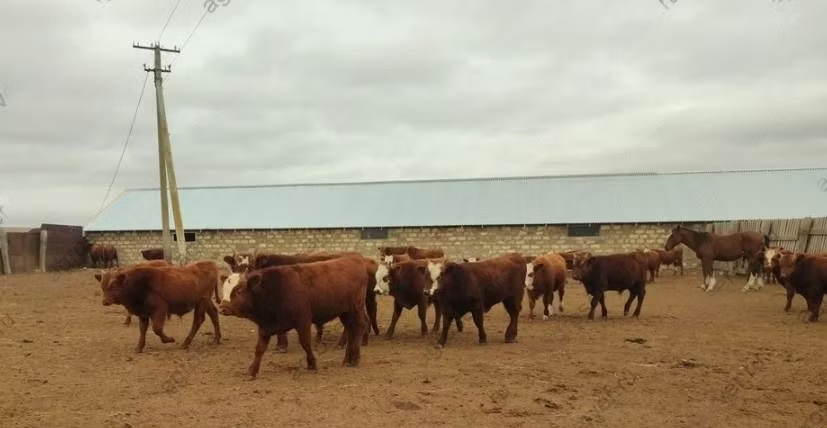
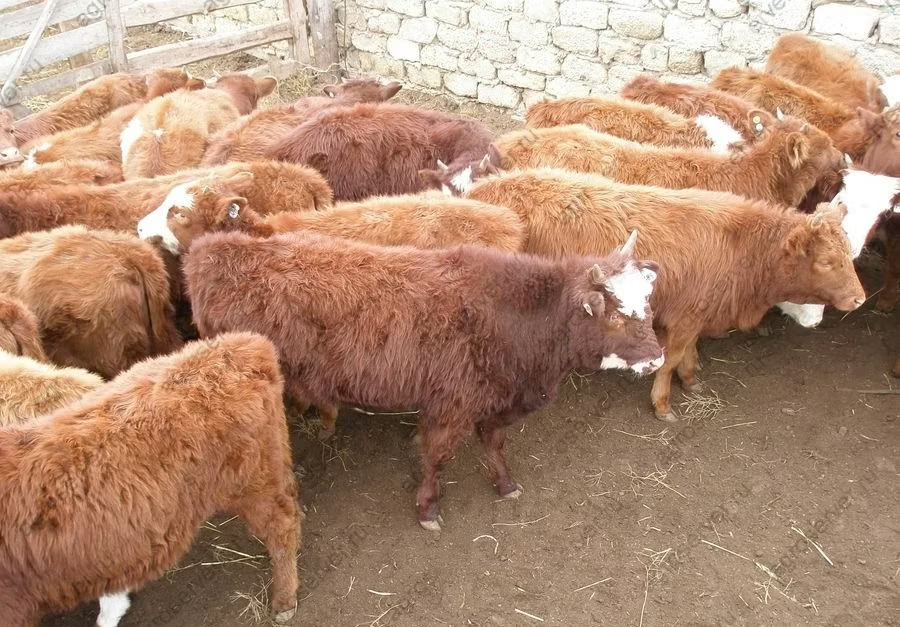
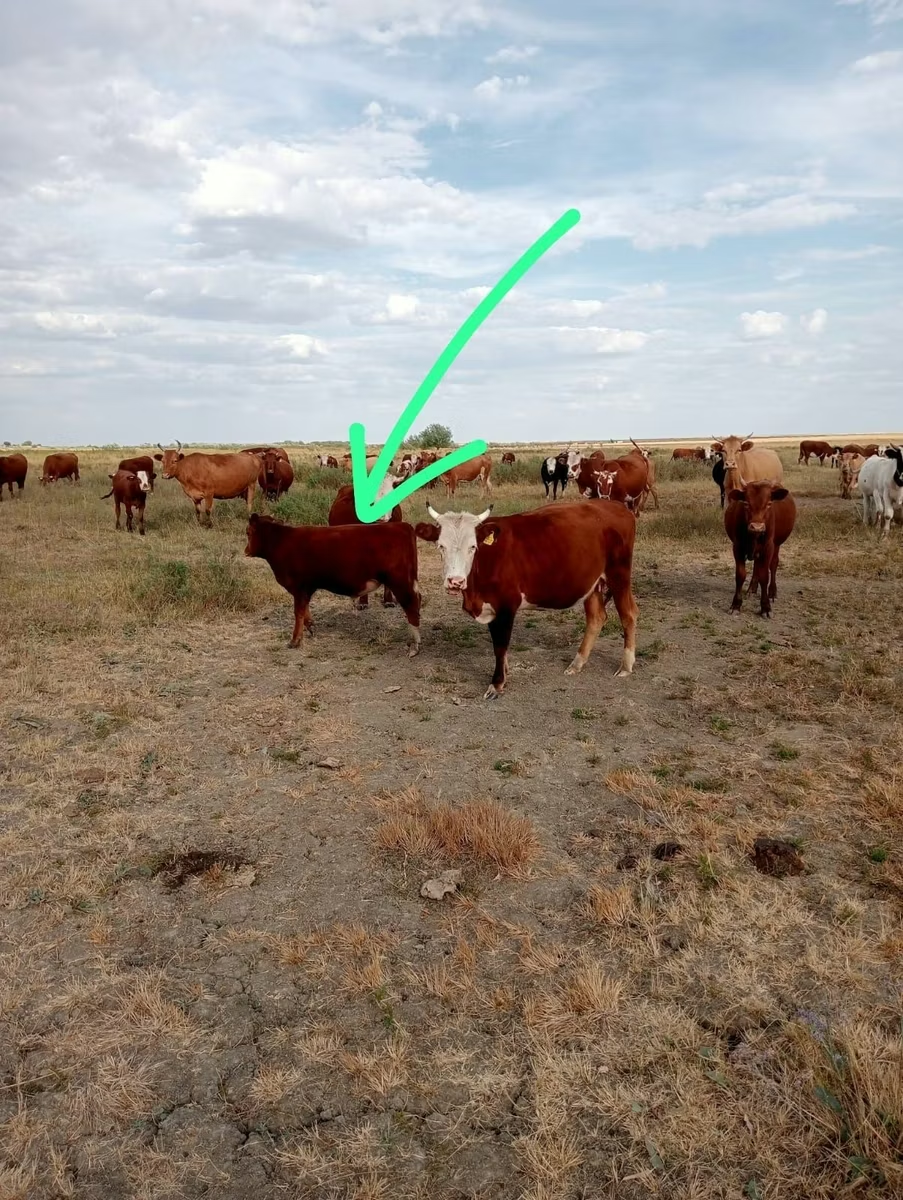
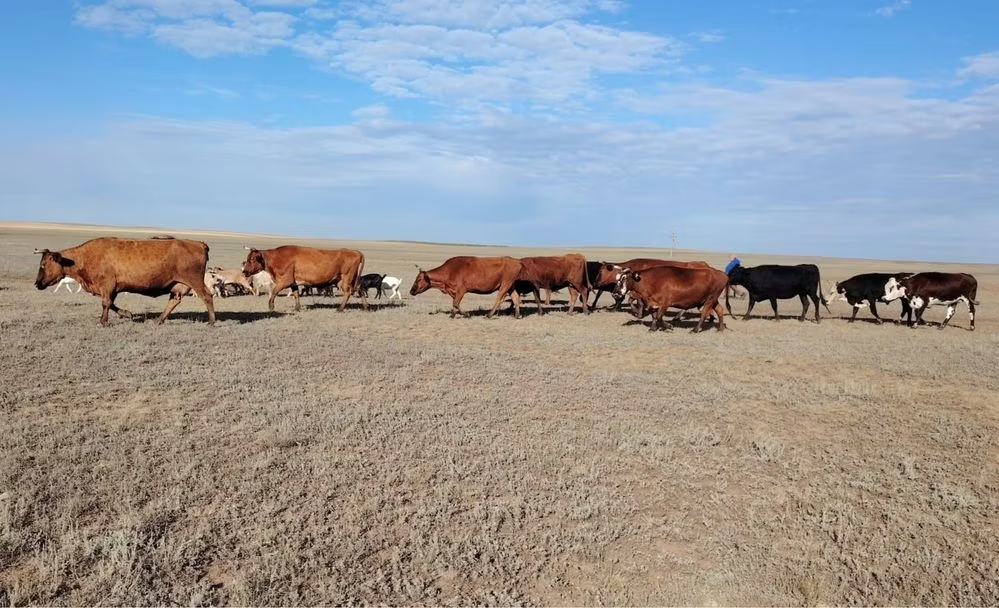
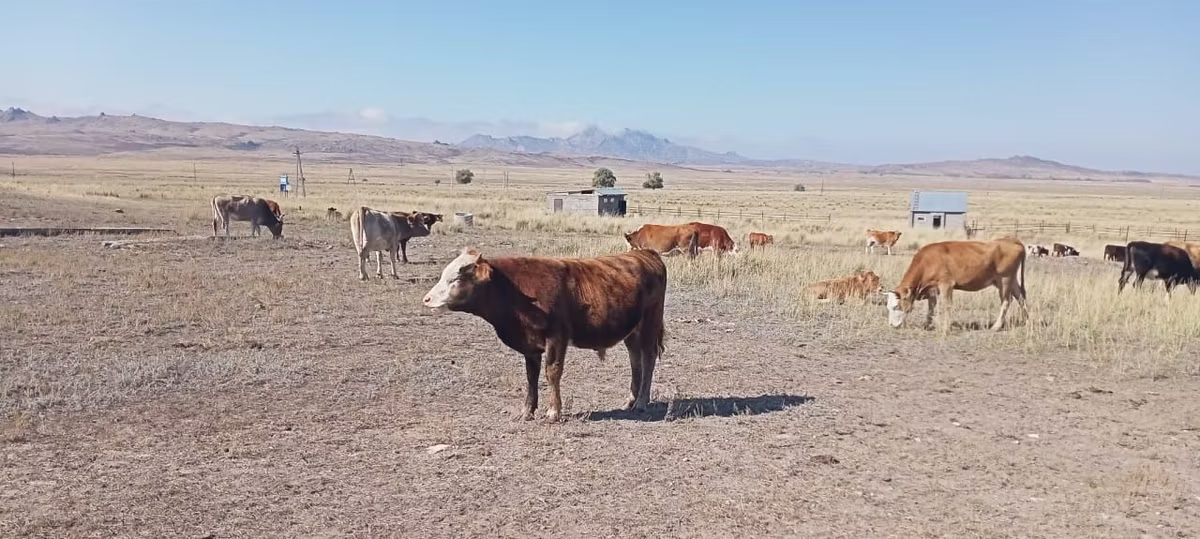
History of origin. The Kalmyk breed of cattle is a meat-type livestock. Its name translates to "enduring breed." It is a source of pride for Russian livestock breeders. One of the oldest breeds in the world, the first individuals appeared in Central Asia about 400 years ago. In the 17th century, Kalmyk nomads brought representatives of this breed to the Caspian steppe from the western regions of Mongolia and the coastal areas of the Volga. In the steppe regions of Eurasia, the cattle became widely distributed, particularly in Mongolia and Kazakhstan. The Kalmyk breed is renowned for its marbled meat. In their natural habitat, these animals spent the entire year on pastures; harsh climatic conditions and the struggle for survival shaped the breed's characteristics, particularly endurance, strong constitution, and adaptability to temperature changes. Through acclimatization and natural selection, the cattle began to accumulate and retain subcutaneous fat along with the thick coat characteristic of this breed. This armor provided the animals with a protective function and reduced heat loss during winter periods. No other known breed in the world possesses such a unique ability. In harsh steppe conditions, Kalmyk cattle easily endure prolonged droughts and severe frosts, with calves staying close to their mothers. Kalmyk cows are usually not milked; calves are raised on suckling. The unique genetic material of this cattle has played an important role in breeding work in livestock farming in Russia and Kazakhstan. The Kalmyk breed was used in the creation of the Kazakh White-Headed, Russian Polled, and breeding herds of Aberdeen-Angus and Shorthorn breeds. Since the early 2000s, the total population of Kalmyk cattle has exceeded 780,000 individuals. Exterior of the breed. They have a red coat of various shades from fiery to brown, sometimes with white markings on the head and legs. The coat is thick and long. In winter, a 3 cm undercoat develops, allowing them to comfortably lie on the snow. In summer, the hair becomes shorter. A distinctive feature is the horns, which are light, set high, and curved like a crescent; the nose mirror is also light. Kalmyk cattle have a typical meat-type body structure characterized by a rounded, medium-length torso, a short, light head, and a short, thick neck. The chest is deep and wide, well-developed. The back is straight and broad. Another distinguishing feature of this breed is the presence of a nuchal crest resembling a hump.
Log in to learn more
Sign inWhat to feed
Ration. The Kalmyk cattle are undemanding in feed and can be kept on pasture year-round, providing good weight gain without the addition of concentrated feeds. During the grazing period, the cows can gain up to 60 kg of fat, which will be a good reserve for winter. However, during the coldest periods, many still bring the cattle into paddocks or cold shelters. The off-pasture period lasts on average 2-3 months. If in summer the basis of the diet consists of juicy grasses, then in winter the percentage of straw and hay in the feed should be no less than 60%. In cold weather, animals are also given calcium and bone meal for rapid muscle mass gain, and legumes and cereal crops are added to the diet, along with root vegetables. Calves feed abundantly on maternal milk. If they are on pasture, they also start eating green feed by 2 months of age. While cows can fatten on grass alone and consume semi-shrub plants, bulls are most often raised for fattening. It is important not to forget basic nuances such as salt and sufficient water supply. In this regard, Kalmyk cattle are demanding. When extremely thirsty, animals stop eating and consequently lose weight. For cattle weighing over 350 kg, it is necessary to provide about 60 liters of water per day. They are undemanding in their diet, especially in drought conditions on pastures.
Physical parameters
Male Weight: 800–900 kg
Female weight: 450–500 kg
Male height: 130–145 cm
Female height: 126–128 cm
Habitat Range
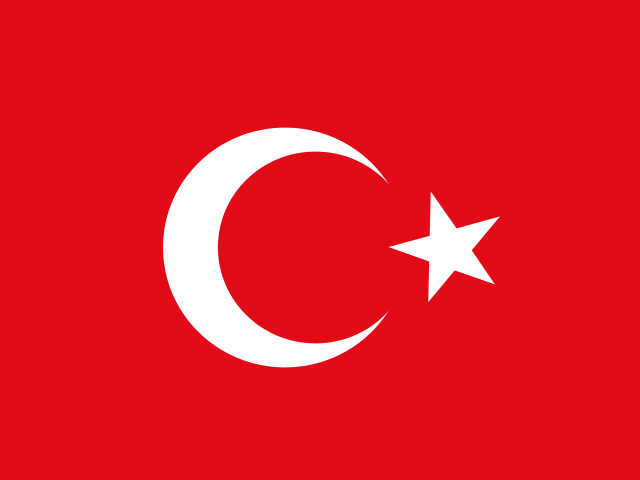
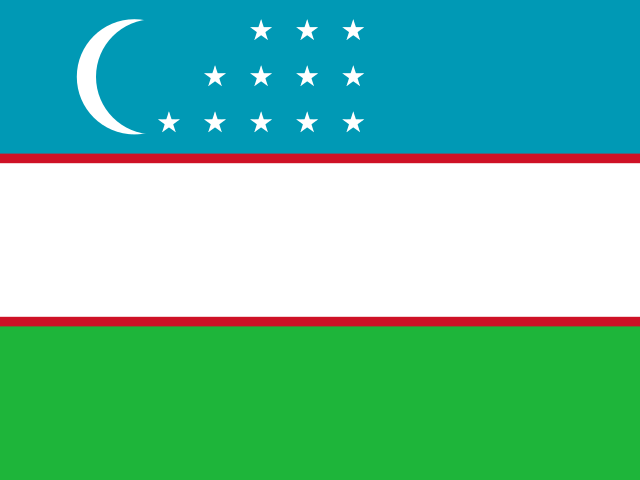
Kazakhstan
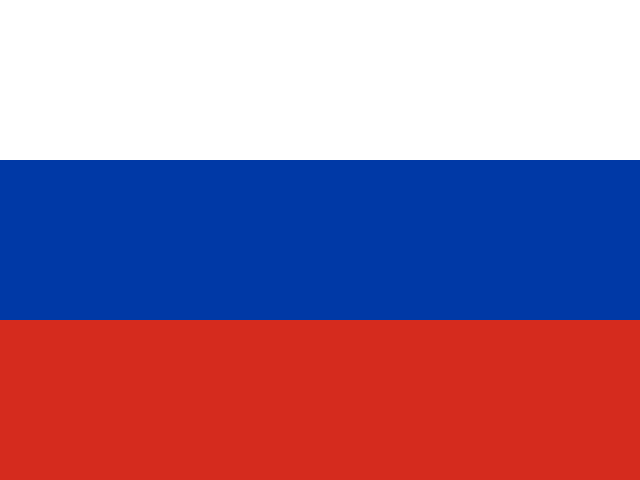
Russia
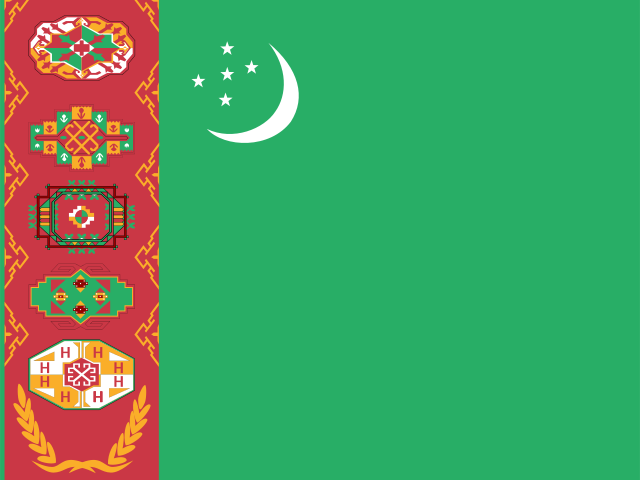
Turkmenistan
Uzbekistan
Frequently Asked Questions
How much does Kalmyk breed weigh?
Adult animal: male — 800–900 kg, female — 450–500 kg.
How tall is Kalmyk breed?
Height at the withers: male — 130–145 cm, female — 126–128 cm.
Where does Kalmyk breed come from?
Country of origin — Russia.
Where is Kalmyk breed bred?
The breed is common in: Kazakhstan, Russia, Turkmenistan, Uzbekistan.
What should Kalmyk breed be fed?
Ration.
Q&A
No questions yet. Ask the first!
Log in to ask a question
Listings in your area