

Holstein breed — iibso ama iibi


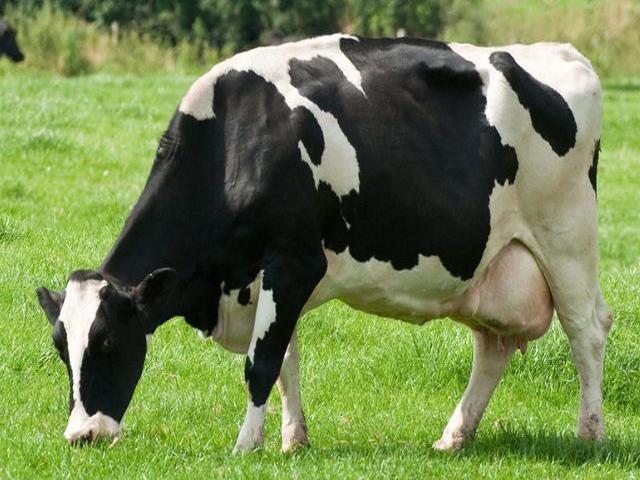
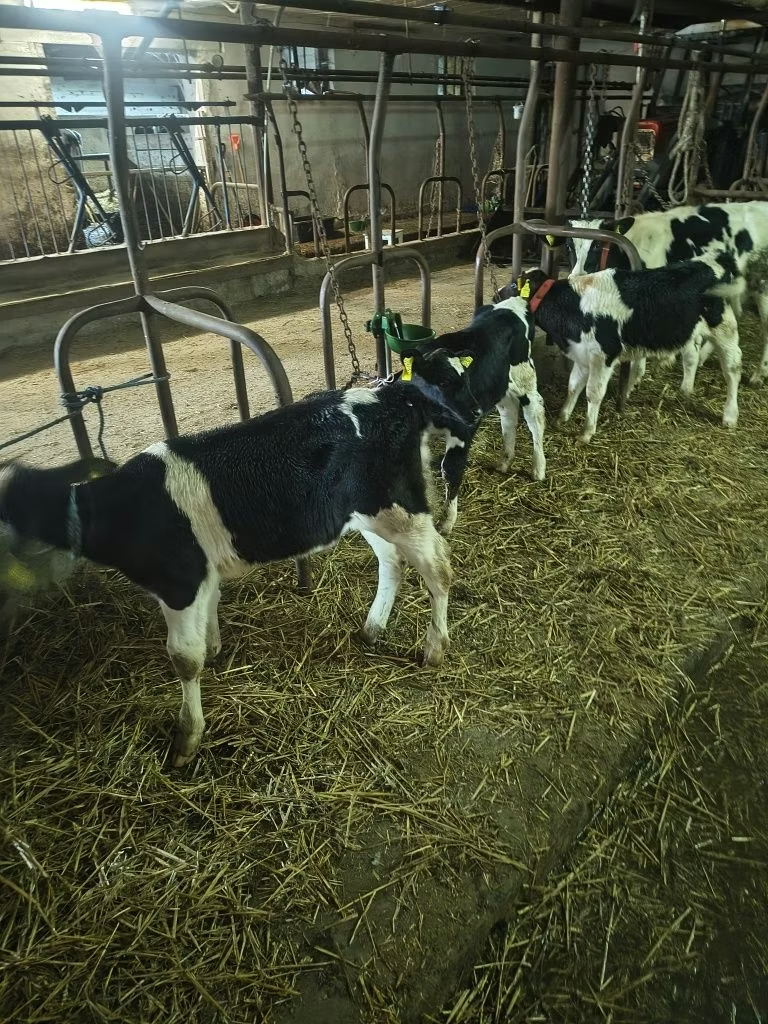
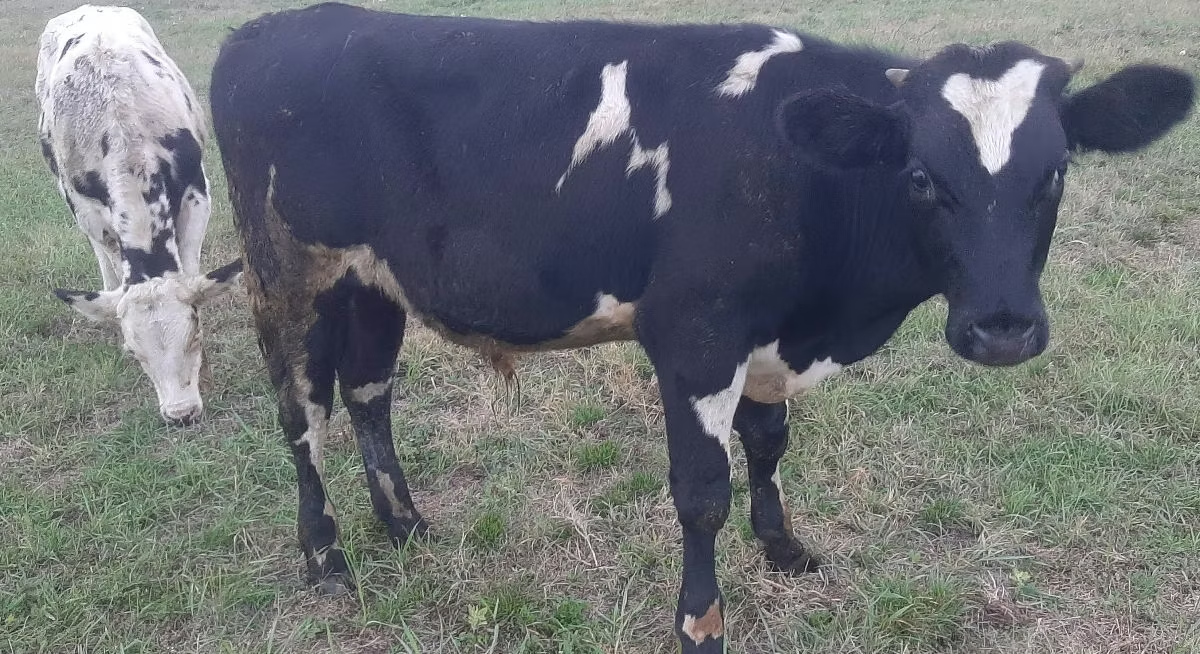
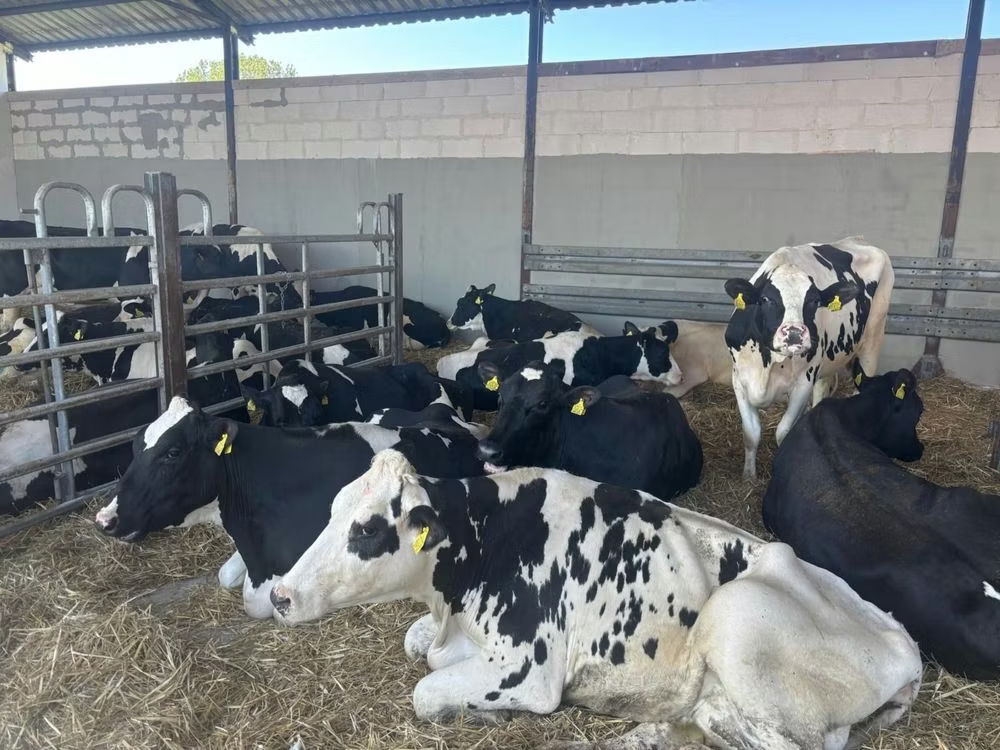
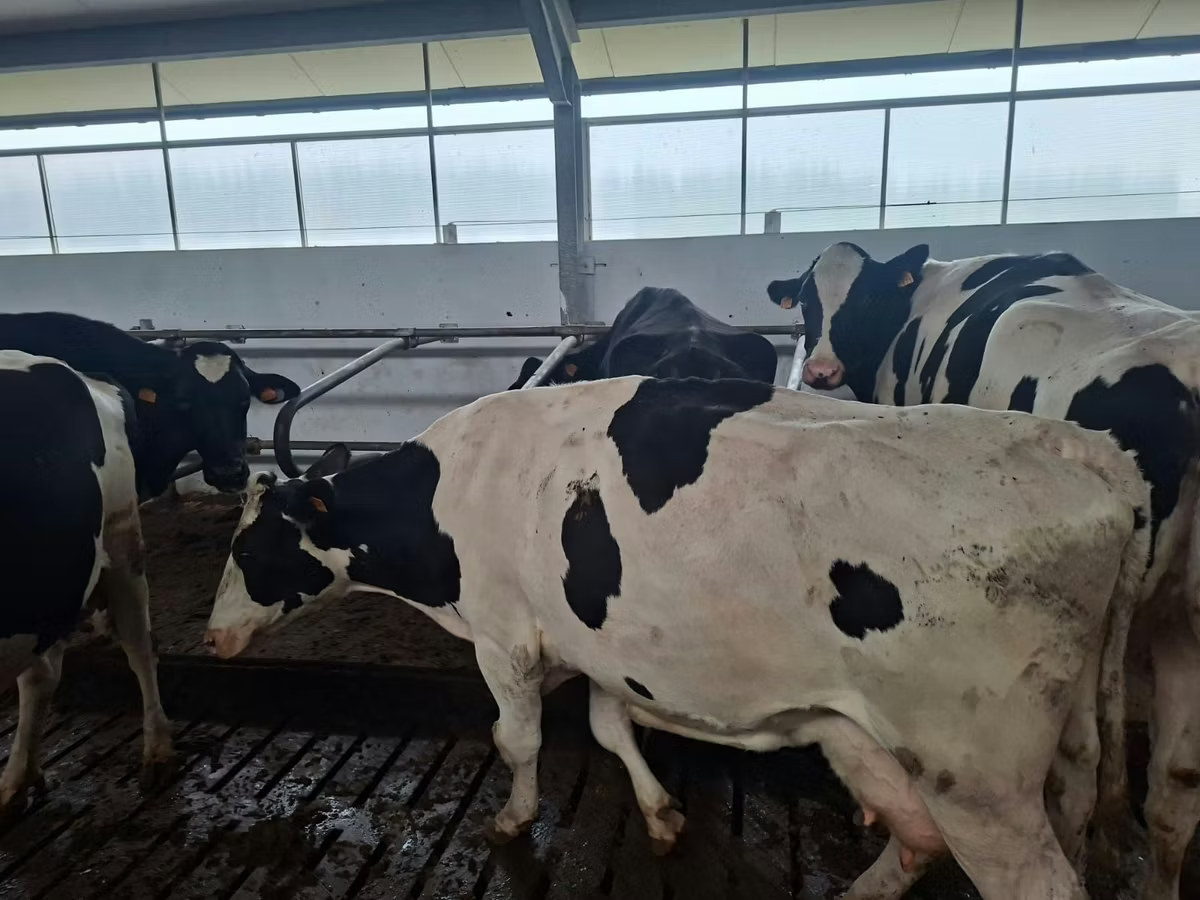
History of the Holstein breed. The homeland of Holsteins is the Netherlands. According to historical data, the breed originated before our era, when the light cattle of the Frisian tribes living in the territory of present-day northern Holland mixed with the black cows of German settlers. The mixture of German and Frisian cows gave rise to this breed. The endurance, strong immunity, and hardiness in feed characteristic of Frisian cattle were combined with the high milk qualities of German cattle. The black-and-white individuals resulting from this crossbreeding are the ancestors of Holsteins. The lands of the Netherlands were ideally suited for growing forage grasses, which the locals cultivated, producing cheese and butter for many centuries. In Friesland (a Dutch province) in the 17th century, Holsteins were kept for both milk and meat production. This approach was also adopted by most livestock breeders in other countries. Over time, black-and-white cattle were exported to many European countries. In the 19th century, cattle from Holland first arrived in the USA. Their neat appearance, high productivity, and, most importantly, the taste of the milk won the affection of American livestock breeders and beyond. The Holstein-Friesian Breeders Association was established on March 15, 1871, founded by Winthrop Chenery. Breeders in the USA and Canada focused on the conformation of the animals and the milk productivity of black-and-white cattle, and it can be said that they achieved the desired results. Since the selection was carried out within the breed, Americans are considered the pure Holsteins. In 1872, the first edition of the Holstein-Friesian breed herd book was published. By that time, cattle were already being bred in full force in 12 states of the USA. The popularity of Holsteins rapidly increased when, in 1887, a cow of this breed named Klattilda won the highest milk yield competition. In 1885, the Holstein-Friesian Association of the USA began its work, and soon Holstein cattle became the most popular in the USA, eventually gaining supremacy worldwide. An important role in the spread of Holsteins was played by the method of artificial insemination, which began to be actively used in the 1960s and had a huge impact on the genetic improvement of the breed. Exterior. The exclusively black-and-white coloration is the standard of this breed. Black spots of various sizes and shapes can cover 2/3 of the entire surface of the skin; less commonly, black Holsteins with solitary white spots on their legs and tails are found.
Gal si aad wax badan u ogaato
Soo galMaxaa lagu quudiyaa
Ration. The Holstein breed is quite demanding when it comes to feeding. To realize their milk potential, these animals must have a balanced diet, drink plenty of water, and minimize factors that cause discomfort. In the feed trough of Holsteins, one can see hay, silage, crushed barley, feed beets, sunflower and soybean meal, clover, alfalfa, lupine, and peas. Cows should only be given water that is not cold. Per day, an animal drinks about 50 liters of liquid, and during the lactation period, the need for water doubles. As for silage, it causes disputes among specialists. Some experts do not recommend adding it to the diet of Holsteins, explaining that the product contains many pathogenic bacteria and can provoke the development of mastitis and inflammatory processes in the reproductive system. However, many livestock breeders still provide corn silage. Heifers and dry cows are fed 2-3 times a day. The dry period lasts no less than 45 and no more than 65 days; a week before calving, cows are no longer given silage and haylage—this is very important to avoid cases of abortion. In the first days after calving, it is recommended to give cows dry hay.
Sifooyinka jireed
Miisaanka labka: 900–1000 kg
Miisaanka dheddigga: 700–800 kg
Dhererka labka: 140–160 cm
Dhererka dheddigga: 130–150 cm
Deegaanka uu ku nool yahay
Afgaanistaan
Albaaniya
Aljeeriya
Andora
Angoola
Anguula
Antigua & Barbuuda
Arjentiina
Armeeniya
Aruba
Asarbajan
Awstaraaliya
Awsteriya
Ayfori Koost
Ayrlaand
Ayslaand
Baanama
Baarbadoos
Babwa Niyuu Gini
Bahaamas
Bakistaan
Balaaw
Bangaladhesh
Baraasiil
Baraguaay
Barmuuda
Baxreyn
Beeru
Belarus
Beliis
Biljam
Biniin
Biritish Farjin Island
Boliifiya
Booland
Booliyneesiya Faransiiska
Boosniya & Harsegofina
Boqortooyada Midowday
Bortugaal
Botuswaana
Bueerto Riiko
Bulgaariya
Burkiina Faaso
Burundi
Buruneey
Buutan
Cayman Islands
Ciraaq
Costa Rica
Cumaan
Denmark
Dhulka Falastiiniyiinta daanta galbeed iyo marinka qasa
Dominika
Ekuwatooriyal Gini
El Salfadoor
Estooniya
Eswaatiini
Fanuaatu
Faransiis
Faransiis Gini
Fenisuweela
Fiji
Filibiin
Finland
Fiyetnaam
Gaaboon
Gaana
Gambiya
Gibraltar
Gini
Gini-Bisaaw
Giriig
Giriinaada
Greenland
Guaam
Guadeluub
Guurnsey
Guwaatamaala
Guyana
Haiti
Hangari
Hindiya
Honduras
Hong Kong
Iiraan
Ikuwadoor
Indoneesiya
Isbeyn
Islofaakiya
Islofeeniya
Israaʼiil
Iswidhan
Itoobiya
Jaad
Jaarsey
Jabaan
Jabuuti
Jamaaika
Jamhuuriyadda Afrikada Dhexe
Jamhuuriyadda Dimuquraadiga Kongo
Jamhuuriyaddda Dominika
Jarmal
Jasiiradda Aland
Jasiiradda Faroo
Jasiiradda Isle of Man
Jasiiradda Kayb Faarde
Jasiiradda Kook
Jasiiradda Maarshal
Jasiiradda Niyuu Kaledooniya
Jasiiradda Solomon
Jasiiradda Waqooyiga Mariaana
Jekiya
Jili
Joorjiya
Kaameruun
Kamboodiya
Kanada
Karibiyaan Nadarlands
Kasaakhistaan
Kenya
Kirgistaan
Kiribati
Koloombiya
Komooros
Kongo
Koonfur Afrika
Koonfur Suudaan
Koosofo
Korweeshiya
Kurakaaw
Kuuba
Kuuriyada Koonfureed
Kuuriyada Waqooyi
Kuwayt
Laos
Latfiya
Laybeeriya
Liibya
Lituweeniya
Liyjtensteyn
Losooto
Lubnaan
Luksemboorg
Maaldiifis
Maali
Maalta
Maartinik
Madagaskar
Makaaw
Malaawi
Malaysiya
Maraykanka
Masar
Masedooniya Waqooyi
Mawrishiyaas
Mayanmar
Mayotte
Meksiko
Midawga Imaaraatka Carabta
Mikroneesiya
Moldofa
Mongooliya
Moonako
Moontenegro
Morooko
Muritaaniya
Musambiik
Namiibiya
Nauru
Nayjeeriya
Nayjer
Nebaal
Nederlaands
Nikaraaguwa
Niyuusiilaand
Noorweey
Qadar
Qubrus
Riyuuniyon
Rumaaniya
Ruush
Ruwanda
Saambiya
Sacuudi Carabiya
Samoowa
Samowa Ameerika
San Marino
Sao Tome & Birincibal
Saxaraha Galbeed
Seerbiya
Shiinaha
Siint Maarteen
Simbaabwe
Singaboor
Sinigaal
Siraaliyoon
Sirilaanka
Sishelis
Soomaaliya
St. Finsent & Girenadiins
St. Kitts iyo Nevis
St. Lusia
St. Maartin
Surineym
Suudaan
Suuriya
Swiiserlaand
Tajikistan
Talyaani
Tansaaniya
Taylaand
Taywaan
Timoor
Tirinidaad & Tobago
Tonga
Toogo
Tufaalu
Tuniisiya
Turki
Turkmenistan
Turks & Kaikos Island
U.S Fargin Island
Ugaanda
Urdun
Uruguwaay
Usbakistan
Walis & Futuna
Yaman
Yukrayn
Su'aalaha inta badan la isweydiiyo
Intee ayuu miisaamaa Holstein breed?
Xayawaan qaangaar ah: lab — 900–1000 kg, dhedig — 700–800 kg.
Waa imisa dhererka Holstein breed?
Dhererka garbaha: lab — 140–160 cm, dhedig — 130–150 cm.
Xaggee ayuu ka soo jeedaa Holstein breed?
Waddanka asalka ah — Nederlaands.
Halkee lagu dhaqaa Holstein breed?
Noocan waxaa laga helaa: Afgaanistaan, Albaaniya, Aljeeriya, Andora, Angoola, Anguula, Antigua & Barbuuda, Arjentiina.
Maxaa lagu quudiyaa Holstein breed?
Ration.
Su'aal iyo jawaab
Weli su'aalo ma jiraan. Weydii kan ugu horreeya!
Soo gal si aad su'aal u weydiiso
Xayeysiisyada gobolkaaga