































Belgian Blue — iibso ama iibi


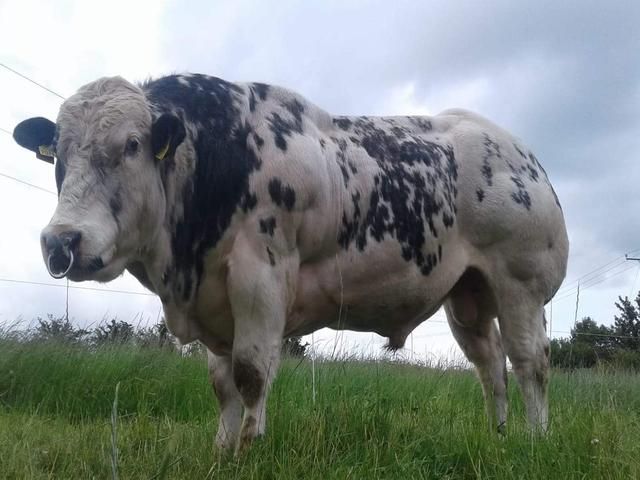
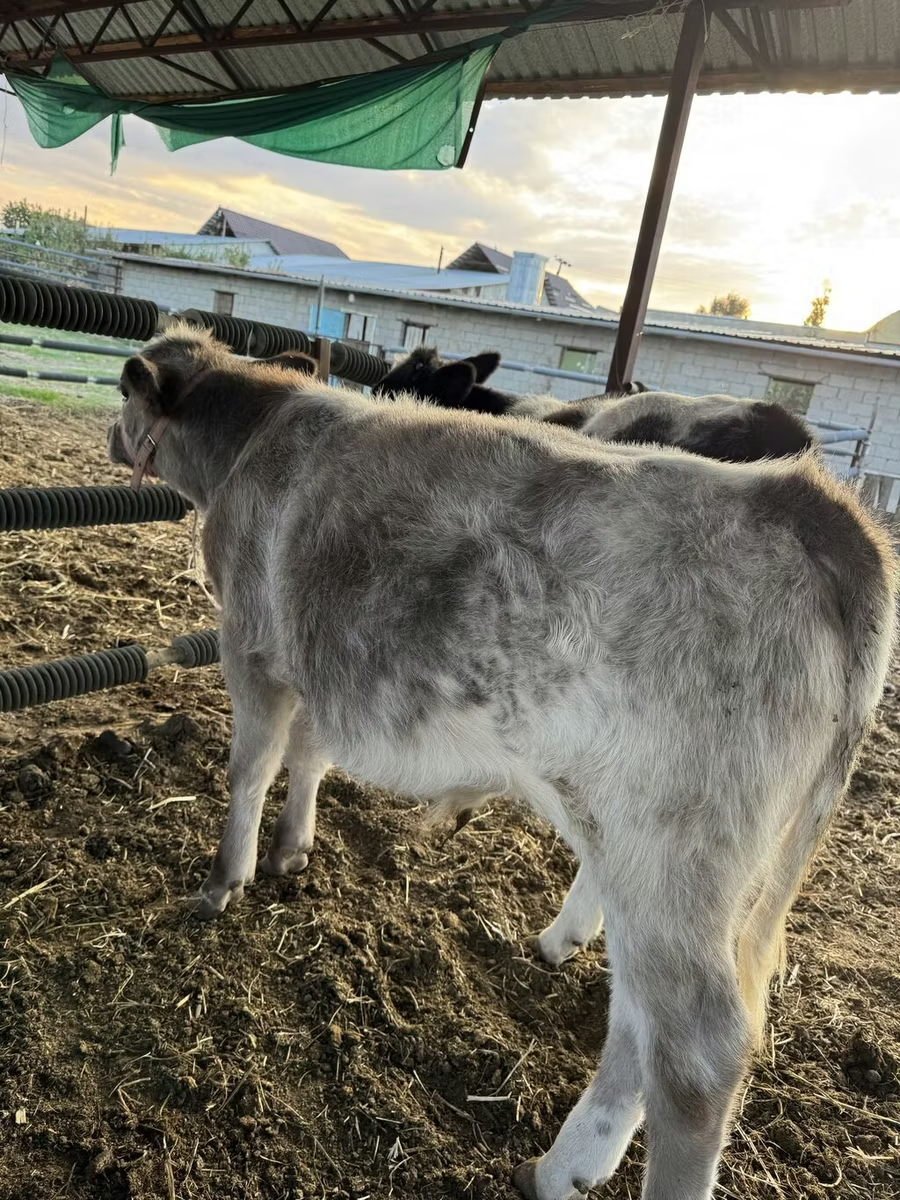
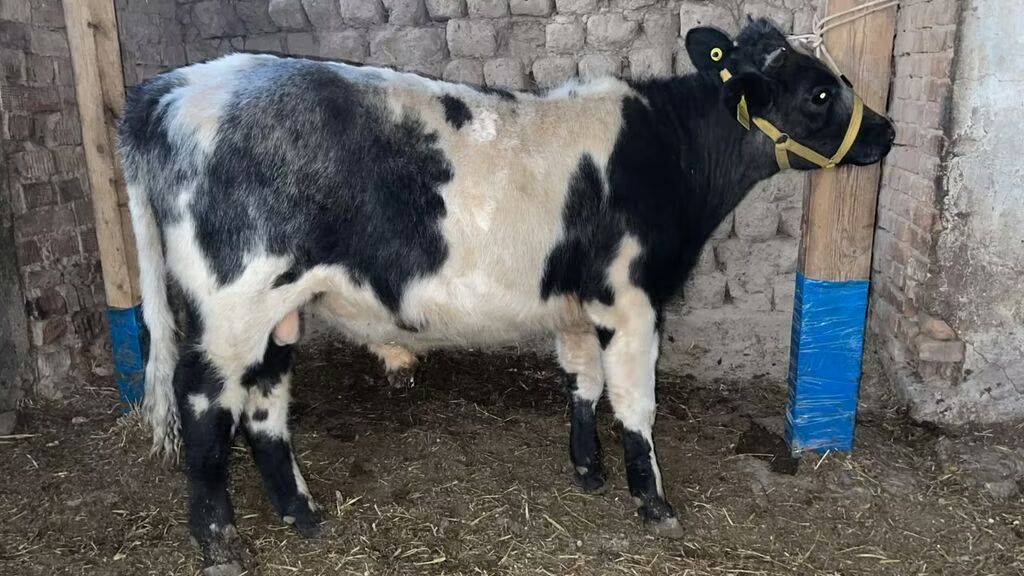
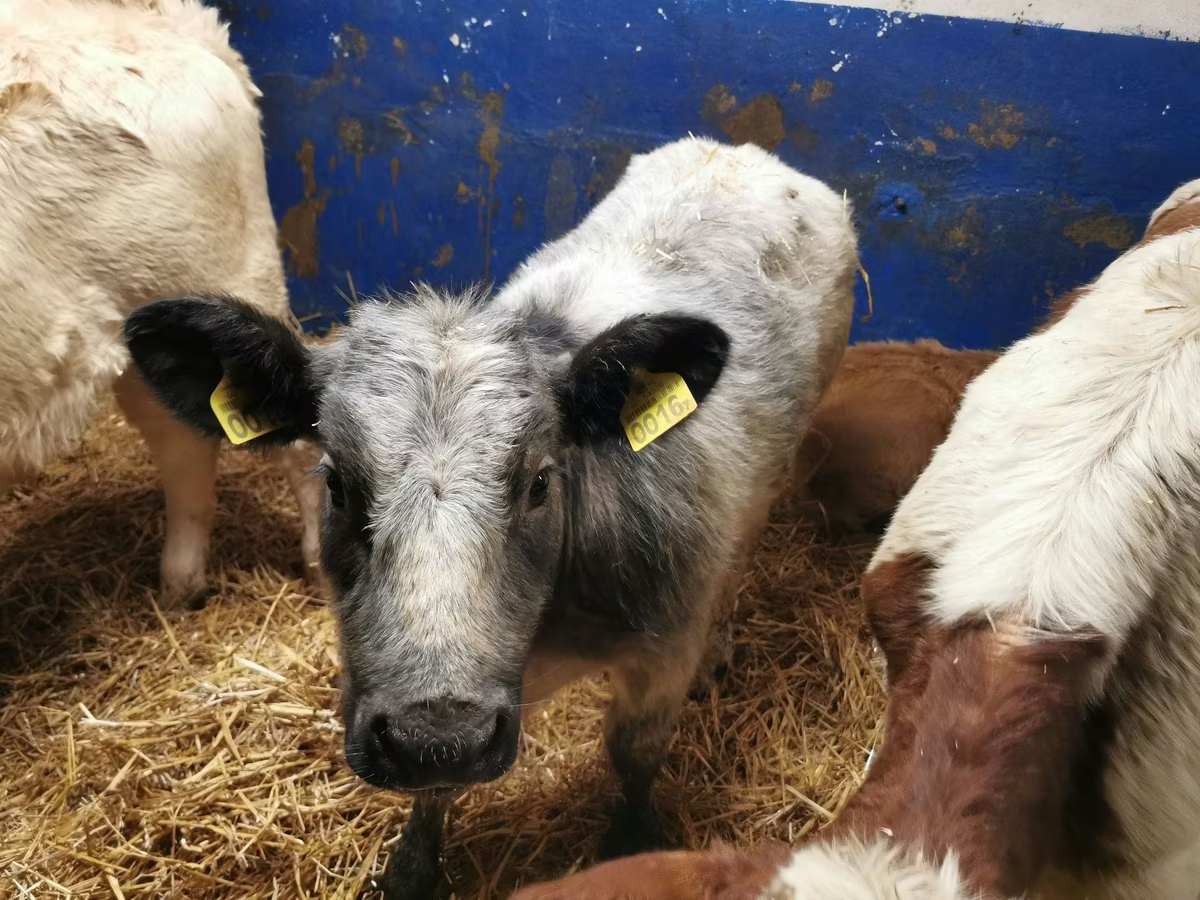
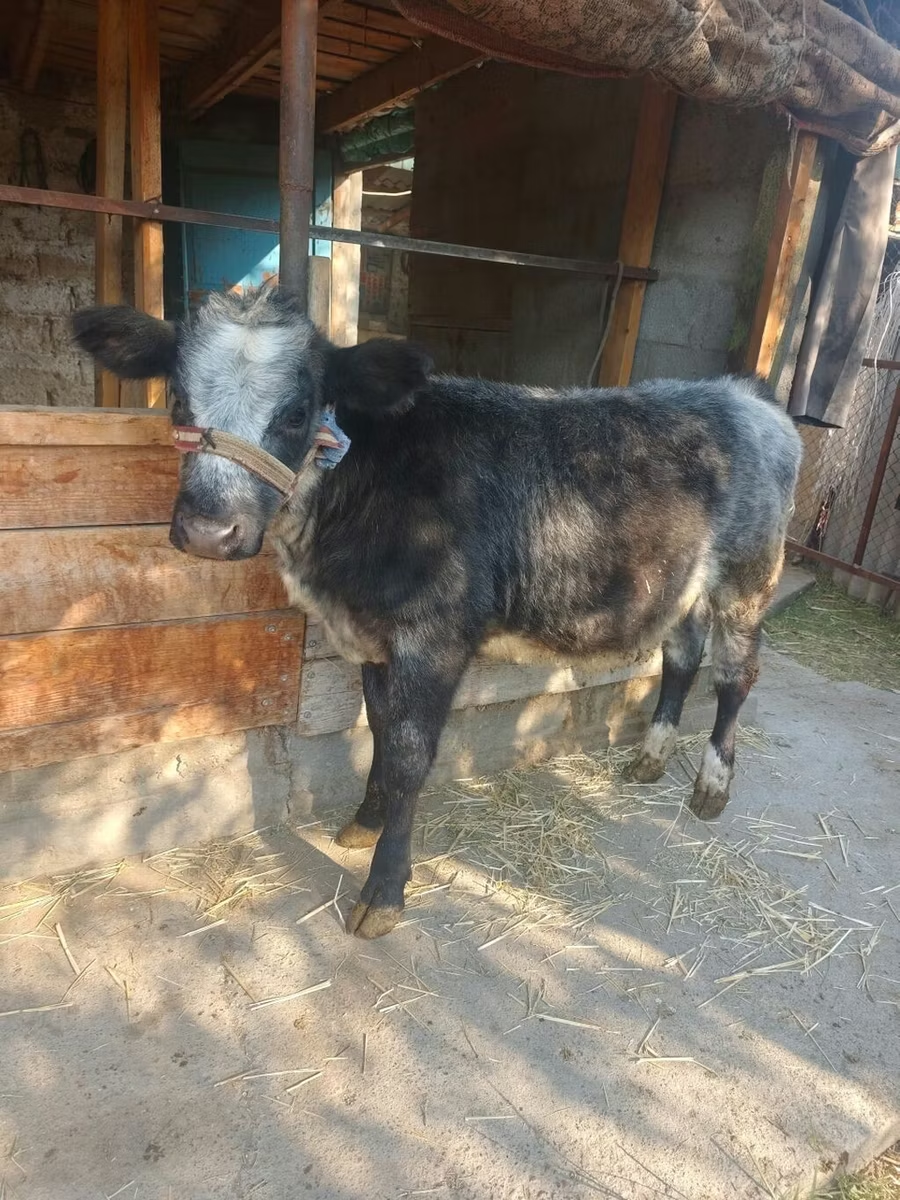
History of the breed: The Belgian Blue cow is a breed that impresses with its musculature and size. It appeared in the 19th century in central and upper Belgium. At the beginning of its development, the Belgian Blue was created by crossing local cattle with short-horned cattle from Great Britain. It is possible that Charolais cows were also involved in this process. Initially, the Belgian Blue was a dual-purpose breed, meaning it was used for both meat and milk production. In the 1950s, Professor Hanset at the artificial insemination center in the province of Liège began working on creating the modern meat type of the Belgian Blue. He used linear breeding to fix the characteristic gene mutation responsible for the "double musculature" of this breed. In 1978, the Belgian Blue was imported to the USA, where it quickly gained popularity among cattle breeders. After World War II, the selection of the Belgian Blue was aimed at producing animals with more developed musculature. In 1973, the breed, previously known as "Race Moyenne et Haute Belgique," was renamed "Belgian Blue." Today, Belgian Blue cows make up half of the total cattle population in Belgium. Exterior: The Belgian Blue cow stands out for its unusual musculature. It is the result of a genetic mutation of myostatin, which leads to hyperplasia of muscle fibers. The muscles are particularly noticeable on the shoulders, back, loins, and rump. Despite its impressive musculature, the Belgian Blue has a slender skeleton and thin skin. Belgian Blue bulls are true heavyweights. Their average weight is 850-1200 kg, and their height at the withers is 137-148 cm. Belgian Blue cows are also not small. Their average weight is 500-700 kg, and their height at the withers is 122-132 cm. The coloration of the Belgian Blue can vary. Individuals with white, black, and bluish-gray coats can be found. Most often, cows with bluish-gray spots on a white or black background can be seen. Three main color types are distinguished: white, blue (piebald-blue), and black (piebald-black). A rare red coloration is also encountered. The Belgian Blue is a horned breed, but there are also polled cows. Housing conditions: The Belgian Blue cow tolerates both cold winters and hot summers. This makes it quite versatile and allows it to be raised in different regions. However, a cold climate may not be very comfortable for the Belgian Blue.
Gal si aad wax badan u ogaato
Soo galMaxaa lagu quudiyaa
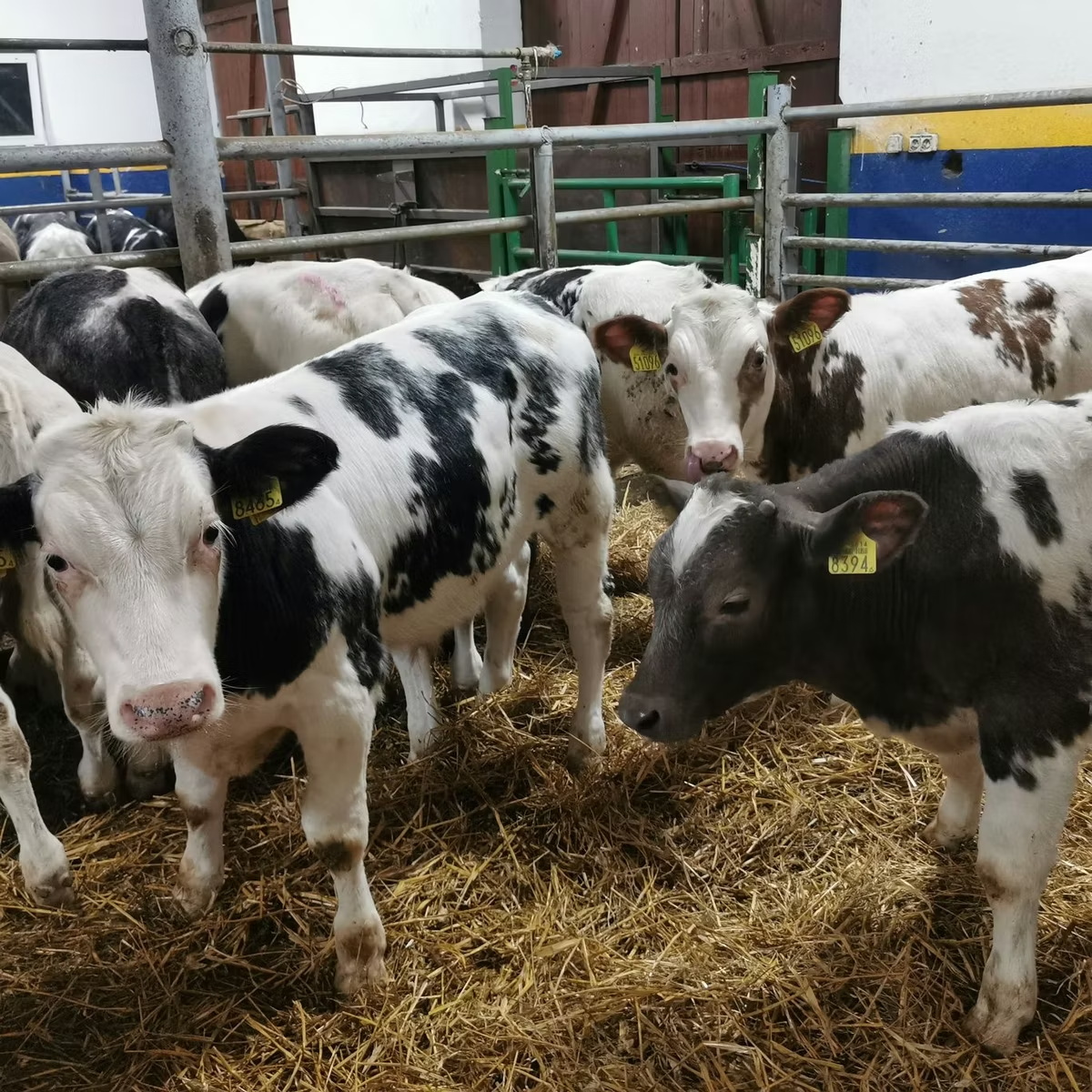
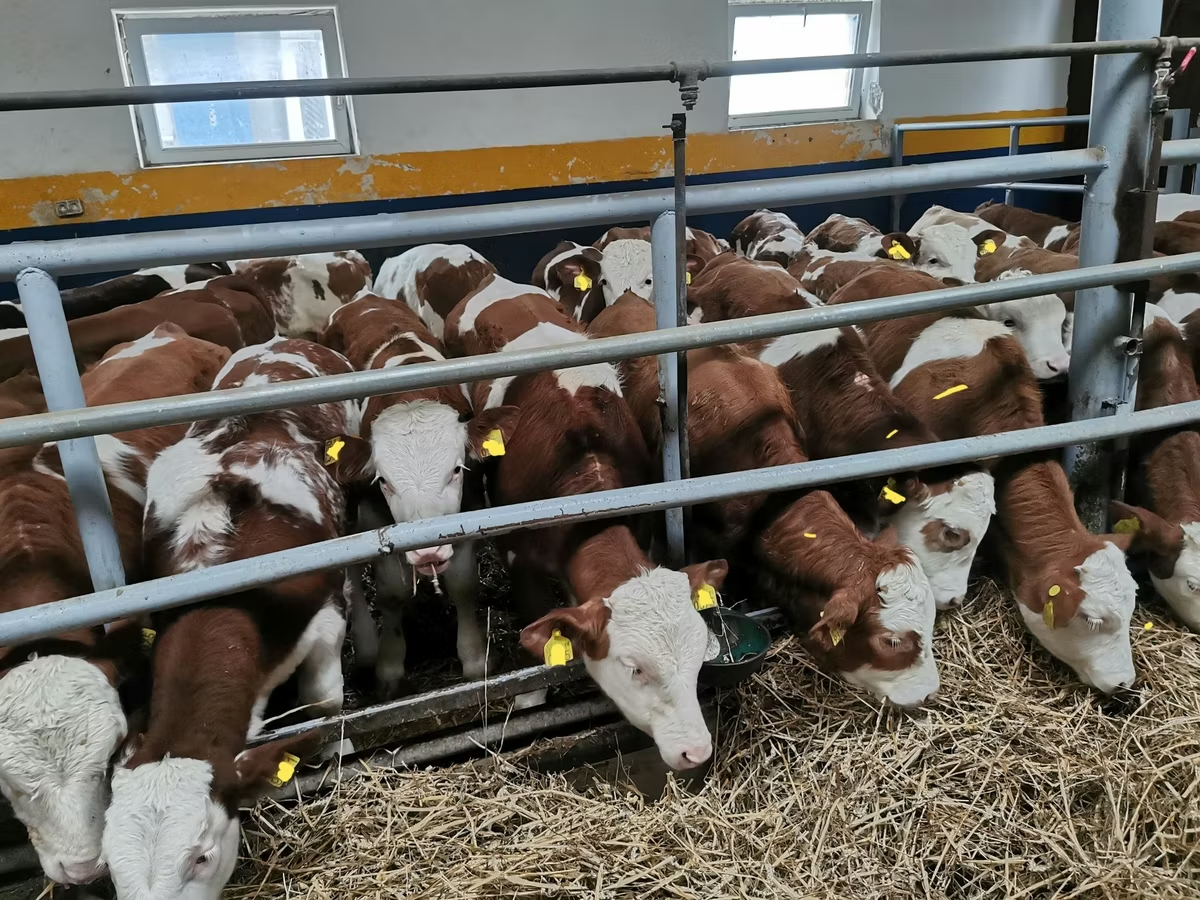
Diet: In general, the Belgian Blue cow is demanding in terms of feeding, but it converts feed more efficiently. It can graze on pasture forage and grasses. A good option would be ryegrass or its combinations with perennial legume grasses. It is believed that if the Belgian Blue cow is fed one type of grass, the meat will be of higher quality. The breed is suitable for intensive fattening. In the barn, the cow is fed hay, silage, vegetables, root crops, and compound feed. To strengthen the bones, supplements are given. Lime and salt can also be provided. In Belgium, cows are fed corn silage and straw. Newborn calves are given colostrum, then they are either left with the mother or separated from her at 2 months and fed an artificial milk mixture with supplements. Of course, the first option is better as it is more natural, but the second is considered due to the risks of mastitis in the cow. When a Belgian Blue calf is fattened for meat at 14 months of age, its diet consists of 50% barley, 22% pulp, 10% spelt, and 13% soybean meal (cake). Dried sugar beet pulp provides soluble sugars and pectin, while soybean meal provides proteins. In the final stage of fattening, it is important to give concentrated feeds.
Sifooyinka jireed
Miisaanka labka: 850–1200 kg
Miisaanka dheddigga: 500–700 kg
Dhererka labka: 137–148 cm
Dhererka dheddigga: 122–132 cm
Deegaanka uu ku nool yahay
Albaaniya
Asarbajan
Awstaraaliya
Awsteriya
Ayrlaand
Belarus
Biljam
Boqortooyada Midowday
Bortugaal
Denmark
Estooniya
Faransiis
Finland
Giriig
Indoneesiya
Isbeyn
Islofaakiya
Islofeeniya
Iswidhan
Jarmal
Jekiya
Joorjiya
Kanada
Korweeshiya
Lituweeniya
Maraykanka
Meksiko
Moldofa
Nederlaands
Niyuusiilaand
Noorweey
Qubrus
Rumaaniya
Ruush
Seerbiya
Swiiserlaand
Talyaani
Yukrayn
Su'aalaha inta badan la isweydiiyo
Intee ayuu miisaamaa Belgian Blue?
Xayawaan qaangaar ah: lab — 850–1200 kg, dhedig — 500–700 kg.
Waa imisa dhererka Belgian Blue?
Dhererka garbaha: lab — 137–148 cm, dhedig — 122–132 cm.
Xaggee ayuu ka soo jeedaa Belgian Blue?
Waddanka asalka ah — Biljam.
Halkee lagu dhaqaa Belgian Blue?
Noocan waxaa laga helaa: Albaaniya, Asarbajan, Awstaraaliya, Awsteriya, Ayrlaand, Belarus, Biljam, Boqortooyada Midowday.
Maxaa lagu quudiyaa Belgian Blue?
Diet: In general, the Belgian Blue cow is demanding in terms of feeding, but it converts feed more efficiently.
Su'aal iyo jawaab
Weli su'aalo ma jiraan. Weydii kan ugu horreeya!
Soo gal si aad su'aal u weydiiso
Xayeysiisyada gobolkaaga