









Kurgan cow — መግዛት ወይም መሸጥ


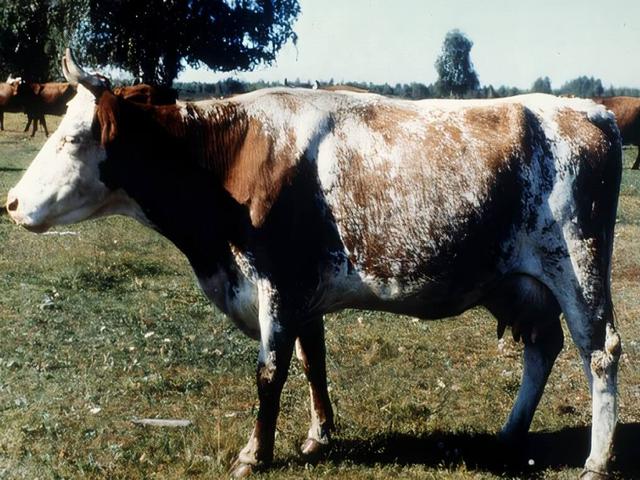
History of the breed: The Kurgan cow is a meat-dairy breed developed in the harsh conditions of Western Siberia. Its breeding was a long and complex process that began in the early 20th century. Until 1922, breeding work was conducted unsystematically, with local Siberian cattle being crossed with various breeds: Tagil, Simmental, Yaroslavl, Red Steppe, Dutch, Bestuzhev, and Swiss. From 1901 to 1907, attempts were made to improve the breed using Shorthorns, but without much success. A key stage in the formation of the breed began in 1922 with the establishment of the breeding farm "Kurgansky" and in 1935 – the State Breeding Nursery. Under the guidance of Professor A. S. Popovich and N. P. Bychkov from VIZh, targeted work began on crossing improved local cattle with Shorthorns and selecting hybrids. This period (1922-1935) is considered fundamental in the breed's development. The method of transformative crossing with Shorthorns was used until high-blooded animals of the improving breed were obtained, which were then bred "in themselves." P. A. Baryshnikov and A. P. Nikolsky played an important role. To further increase milk production, repeated crossing with American Shorthorns, imported in 1949, was used, and in the same year, the Kurgan cow was officially recognized. Exterior: The Kurgan cow has a sturdy build suitable for meat-dairy use. The body is elongated, proportional, with a deep and wide chest. The bones are strong but not heavy. The back is straight, with a well-defined croup. The height at the withers of these animals reaches approximately 130 cm, the body length is about 161 cm, and the chest circumference is about 190 cm. The head is of medium size, elongated in shape, with a straight profile. The forehead is wide, highlighted by expressive brow ridges. The horns are short, light-colored with dark tips. The neck is thin, long, with skin folds, emphasizing the dairy type. The limbs are proportional and strong, with correct positioning. The hooves are usually dark. The udder is of medium size, cup-shaped with evenly developed lobes. The teats are of the correct shape and convenient for machine milking. Bulls of the breed are significantly larger than cows. They have a more massive body and well-defined muscles. The coloration of the animals can be gray (with white speckles), red, or red-pied.
ተጨማሪ ለማወቅ ግባ
ግባበምን ይመገባል
Diet: Rough feeds include hay, which can be meadow or steppe, as well as silage. These feeds are necessary for the normal functioning of the digestive system and maintaining energy. Juicy feeds include root crops such as carrots, beets, and swedes. The diet may also include silage, which can be grass, corn, or sunflower. These feeds help improve food digestion and provide additional moisture. Concentrated feeds consist of grains (oats, barley, corn), as well as compound feed, cake, and meal. They provide cows with proteins and carbohydrates, which contribute to growth and increased milk or meat productivity. All these types of feed should be included in the diet of the Kurghan cow and be balanced.
የአካል መለኪያዎች
የወንድ ክብደት: 800–1100 ኪ.ግ
የሴቷ ክብደት: 540–720 ኪ.ግ
የወንዱ ቁመት: 120–140 ሴሜ
የሴቷ ቁመት: 110–125 ሴሜ
የመኖሪያ ክልል
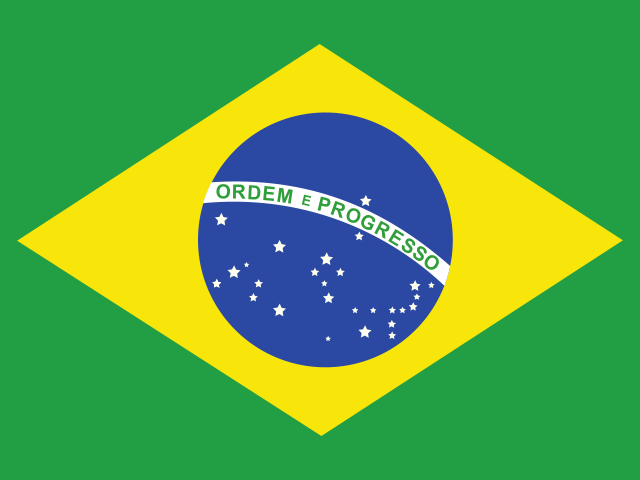
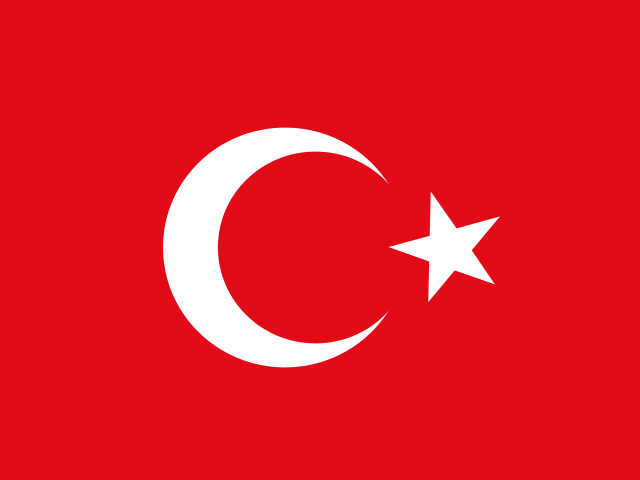
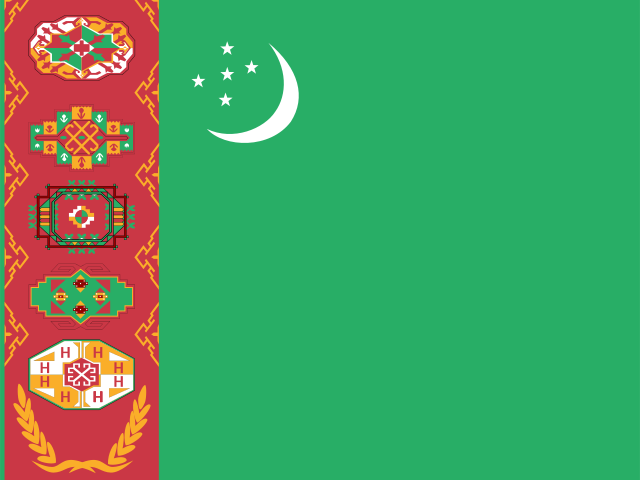
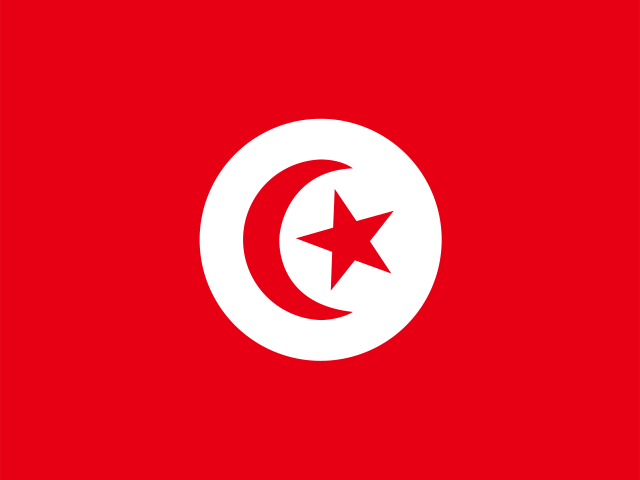
ሊቱዌኒያ
ላትቪያ
ሩስያ
ቤላሩስ
ታጃኪስታን
ኡዝቤኪስታን
ኤስቶኒያ
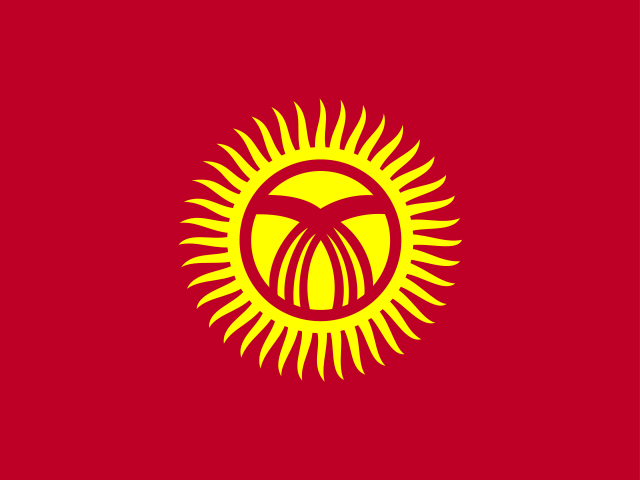
ኪርጊስታን
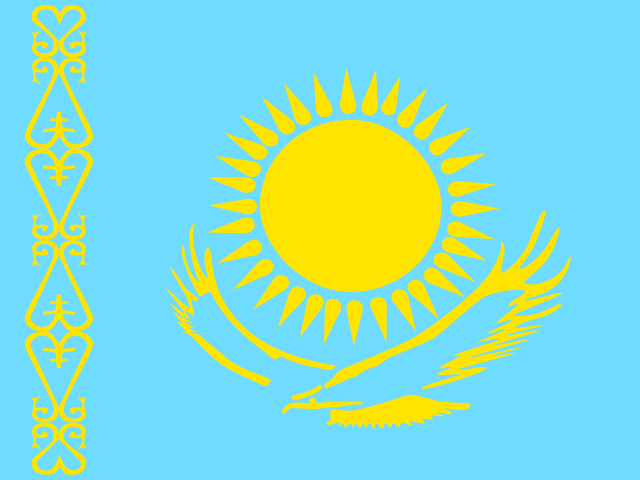
ካዛኪስታን
ዩክሬን
ተደጋጋሚ ጥያቄዎች
Kurgan cow ስንት ኪሎ ይመዝናል?
የጎልማሳ እንስሳ: ወንድ — 800–1100 ኪ.ግ, ሴት — 540–720 ኪ.ግ.
Kurgan cow ስንት ቁመት አለው?
በትከሻ ላይ ያለው ቁመት: ወንድ — 120–140 ሴሜ, ሴት — 110–125 ሴሜ.
Kurgan cow ከየት ይመጣል?
የመነጨበት አገር — ሩስያ.
Kurgan cow የት ይረባል?
ዝርያው የተስፋፋባቸው አገሮች: ሊቱዌኒያ, ላትቪያ, ሩስያ, ቤላሩስ, ታጃኪስታን, ኡዝቤኪስታን, ኤስቶኒያ, ኪርጊስታን.
Kurgan cowን በምን ይመገባል?
Diet: Rough feeds include hay, which can be meadow or steppe, as well as silage.
ጥያቄ እና መልስ
ጥያቄ አሁን የለም። የመጀመሪያውን ይጠይቁ!
ግባ ጥያቄ ለመጠየቅ