
































Hungarian Grey breed — iibso ama iibi


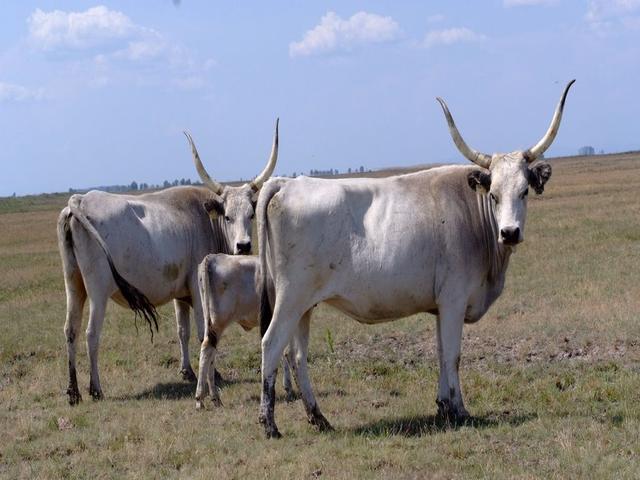
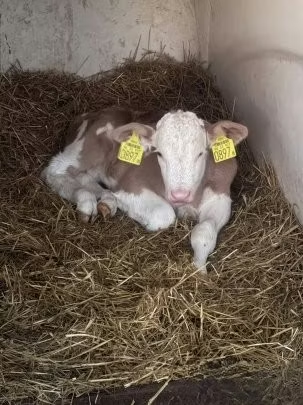
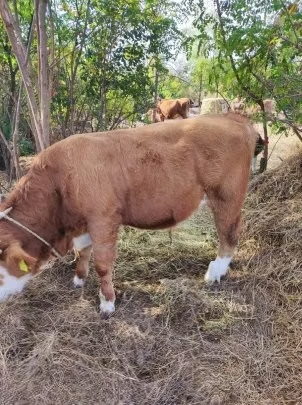
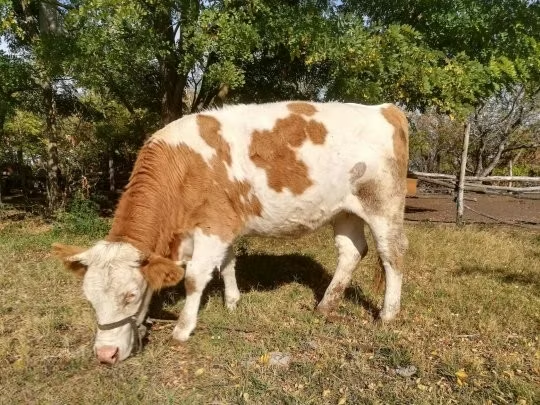
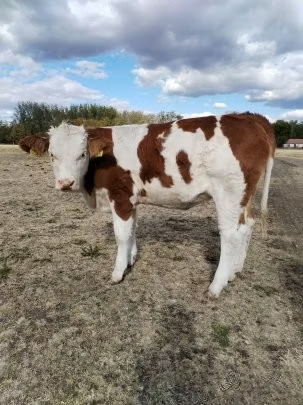
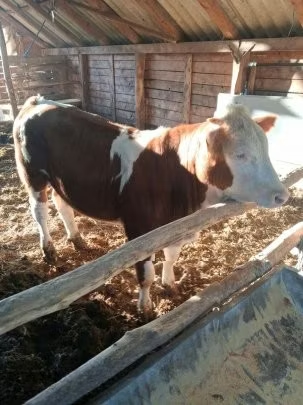
History of the breed. The Hungarian Grey is a breed of cattle for both milk and meat production. It is used as draft cattle and possesses high meat qualities. Milk productivity is low, but efforts are being made in Hungary to preserve the breed. Breeding is controlled by the state, and farmers receive subsidies for each head. The Hungarian Grey breed is rare and genetically valuable, considered a national symbol of Hungary and is under strict state control. Farmers receive subsidies of 300 euros or more for each head. The exact date of the breed's emergence is unknown, but it is believed to be in the mid-19th century. Some historians mention the 14th century, while others refer to the 10th-11th centuries. After the war, the breed was on the brink of extinction, with about 600 individuals remaining in 1975. State care was required for their preservation. Currently, there are about 35,000, and they are bred in Germany, Hungary, Transcarpathia, and Ukraine, where there are about 600 individuals. In Hungary, the state controls the breeding of this breed, and farmers receive 300 euros for each individual. Cows of the Hungarian Grey breed are the pride of the country, representing its history and culture. The Hungarian Grey breed was likely brought in the 19th century along with the Hungarians to the Danube. Initially, it was used as a draft force, but since 1861, it has been bred for high-quality meat production. Cattle were sold at markets throughout Europe. Currently, the breed is kept in national parks in Hungary as a tourist attraction and genetic bank. The herds are resistant to cattle diseases. By 1975, there were only 300 cows in two herds, but since then their numbers have significantly increased. Exterior. The horns of these animals are crescent-shaped and point upwards. The length of one can reach 70 centimeters. The Hungarian Grey breed of cattle is characterized by a slender and tall build. The height of bulls ranges from 145 to 155 cm, while cows range from 135 to 140 cm. The weight of cows varies from 500 to 600 kg. The coat color can range from white-silver to gray ash. The weight of bulls reaches 900 kg. The animals have long heads with large, widely spaced horns. Their eyes appear wild and timid. The build is sturdy, with flat ribs and prominent flanks. The sacrum is low and short. The legs are long, and the hind legs are often splay-footed.
Gal si aad wax badan u ogaato
Soo galMaxaa lagu quudiyaa
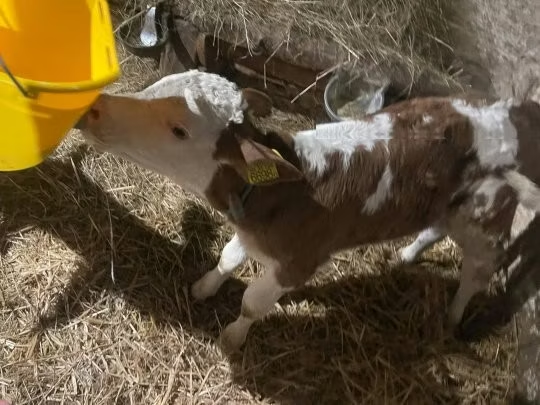
Diet. In stall housing, the main diet consists of hay with vitamin supplements, straw is steamed, limed, or mixed with compound feeds. The stomachs of these individuals are adapted to digest coarse feed.
Sifooyinka jireed
Miisaanka labka: 700–900 kg
Miisaanka dheddigga: 500–600 kg
Dhererka labka: 145–155 cm
Dhererka dheddigga: 135–140 cm
Deegaanka uu ku nool yahay
Booland
Hangari
Jarmal
Ruush
Yukrayn
Su'aalaha inta badan la isweydiiyo
Intee ayuu miisaamaa Hungarian Grey breed?
Xayawaan qaangaar ah: lab — 700–900 kg, dhedig — 500–600 kg.
Waa imisa dhererka Hungarian Grey breed?
Dhererka garbaha: lab — 145–155 cm, dhedig — 135–140 cm.
Xaggee ayuu ka soo jeedaa Hungarian Grey breed?
Waddanka asalka ah — Hangari.
Halkee lagu dhaqaa Hungarian Grey breed?
Noocan waxaa laga helaa: Booland, Hangari, Jarmal, Ruush, Yukrayn.
Maxaa lagu quudiyaa Hungarian Grey breed?
Diet.
Su'aal iyo jawaab
Weli su'aalo ma jiraan. Weydii kan ugu horreeya!
Soo gal si aad su'aal u weydiiso
Xayeysiisyada gobolkaaga