















































Yorkshire cow — iibso ama iibi


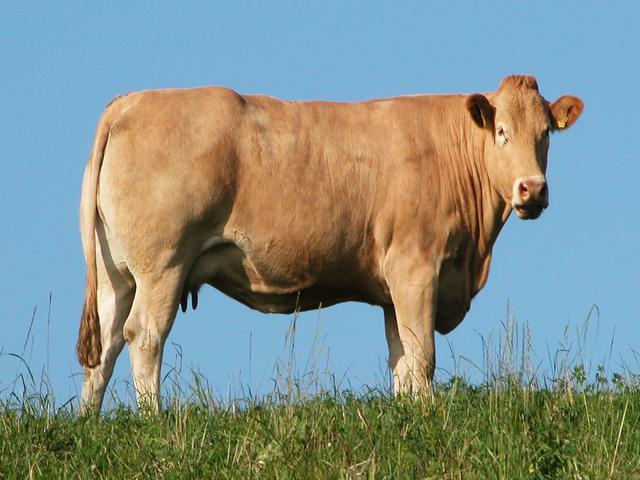
History of the breed: The Yorkshire cow is a dual-purpose breed, the history of which is closely intertwined with the harsh conditions of Scotland and northern England. Although its name is associated with the county of Yorkshire in England, the breed was actually developed in Scotland. It is one of the few breeds that arose from prolonged, uncontrolled breeding of local indigenous animals. In the 18th century, the breed was officially recognized, after which more targeted efforts for its improvement began, although not always with clear control. The Yorkshire cow was bred for the production of both meat and milk, which determined its dual-purpose productivity. Today, this breed is found not only in England and Scotland but also in Wales and other countries. Exterior: Yorkshire cows have a strong and sturdy build, characteristic of the dual-purpose type. These animals are quite large. The height at the withers for cows usually reaches 140 cm, while for bulls it is 160 cm. The body length is about 170 cm. The weight of cows ranges from 500 to 560 kg, while bulls can weigh from 800 to 900 kg. The coat color of Yorkshire cows is often red, with various shades. There are also red-pied and brown-pied individuals. The head of the cows is medium-sized, elongated, with a high forehead. The neck is short and powerful. The body is strong, muscular, and barrel-shaped, indicating good meat qualities. The back of the cows is straight, and the sides are also barrel-like. The pelvic area is slightly raised, and the hind legs are a bit longer than the front ones. The limbs of these animals are strong, although English individuals have shorter legs than Scottish ones. This is explained by the difference in grazing conditions. Bulls may have powerful horns resembling a lyre. The tail of the cows is standard for cattle. Housing conditions: Yorkshire cows are distinguished by good endurance and the ability to adapt to different conditions, and these qualities have developed due to the harsh climatic conditions of their homeland. These animals tolerate both stall and pasture housing well. However, despite their endurance, they need enough space to move and fresh air, especially in winter. Poor ventilation can adversely affect them. In cold weather, it is necessary to ensure warmth and dryness in the housing, using bedding for the comfort of the animals.
Gal si aad wax badan u ogaato
Soo galMaxaa lagu quudiyaa
Diet: In the summer period, the basis of the diet consists of fresh grass from pastures. In winter, they are fed hay, silage, and concentrated feeds (grains, meal, compound feed). During pregnancy and lactation, the need for nutrients increases, so the diet must be adjusted by adding vitamin and mineral supplements. Calves in the first months of life are fed with their mother's milk, gradually introducing succulent feeds and grains into their diet.
Sifooyinka jireed
Miisaanka labka: 800–900 kg
Miisaanka dheddigga: 500–560 kg
Dhererka labka: 135–160 cm
Dhererka dheddigga: 110–140 cm
Deegaanka uu ku nool yahay
Boqortooyada Midowday
Finland
Ruush
Su'aalaha inta badan la isweydiiyo
Intee ayuu miisaamaa Yorkshire cow?
Xayawaan qaangaar ah: lab — 800–900 kg, dhedig — 500–560 kg.
Waa imisa dhererka Yorkshire cow?
Dhererka garbaha: lab — 135–160 cm, dhedig — 110–140 cm.
Xaggee ayuu ka soo jeedaa Yorkshire cow?
Waddanka asalka ah — Boqortooyada Midowday.
Halkee lagu dhaqaa Yorkshire cow?
Noocan waxaa laga helaa: Boqortooyada Midowday, Finland, Ruush.
Maxaa lagu quudiyaa Yorkshire cow?
Diet: In the summer period, the basis of the diet consists of fresh grass from pastures.
Su'aal iyo jawaab
Weli su'aalo ma jiraan. Weydii kan ugu horreeya!
Soo gal si aad su'aal u weydiiso