












































Karaku — iibso ama iibi

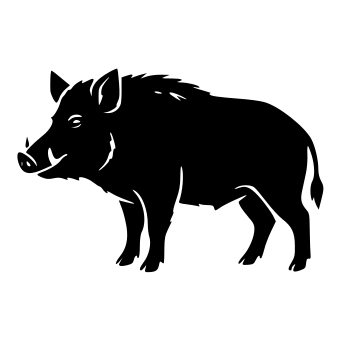


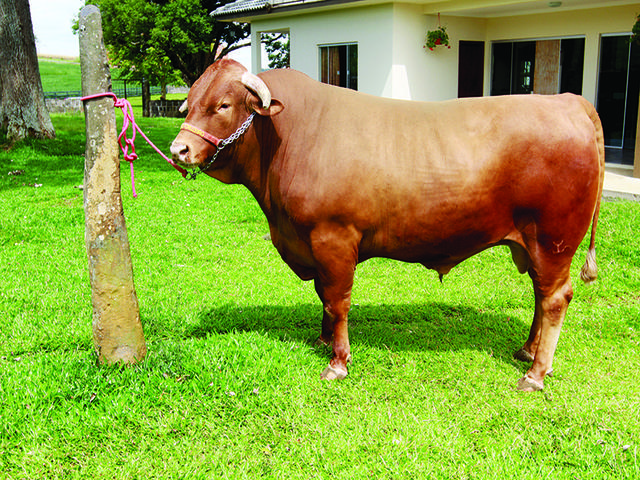
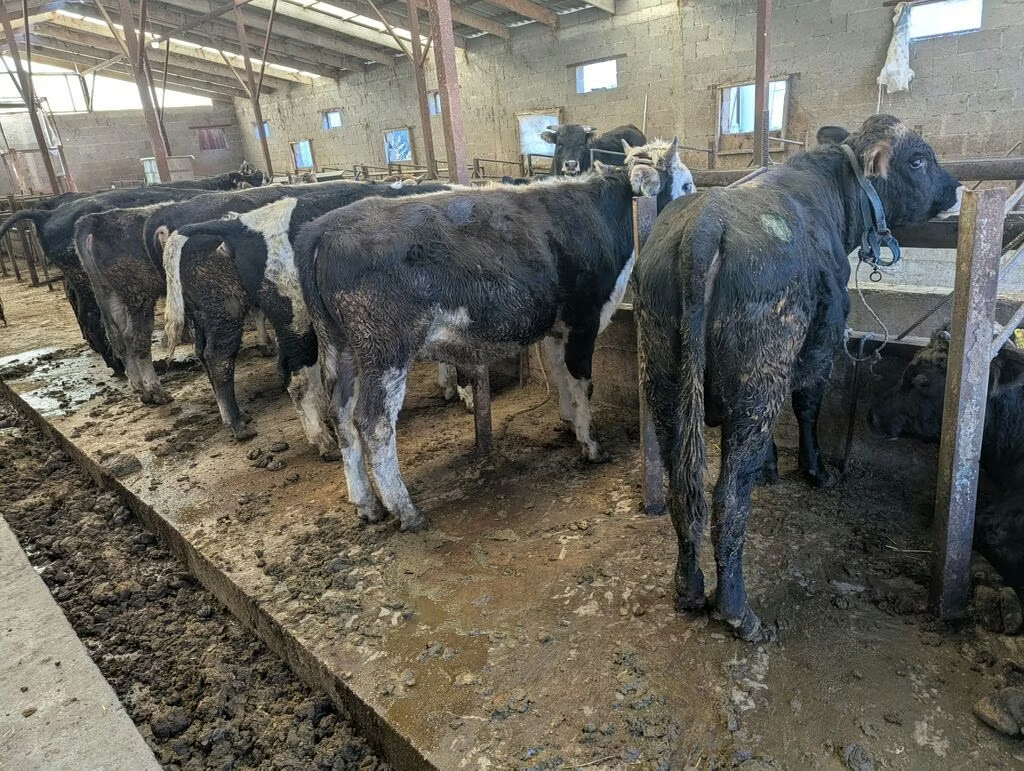
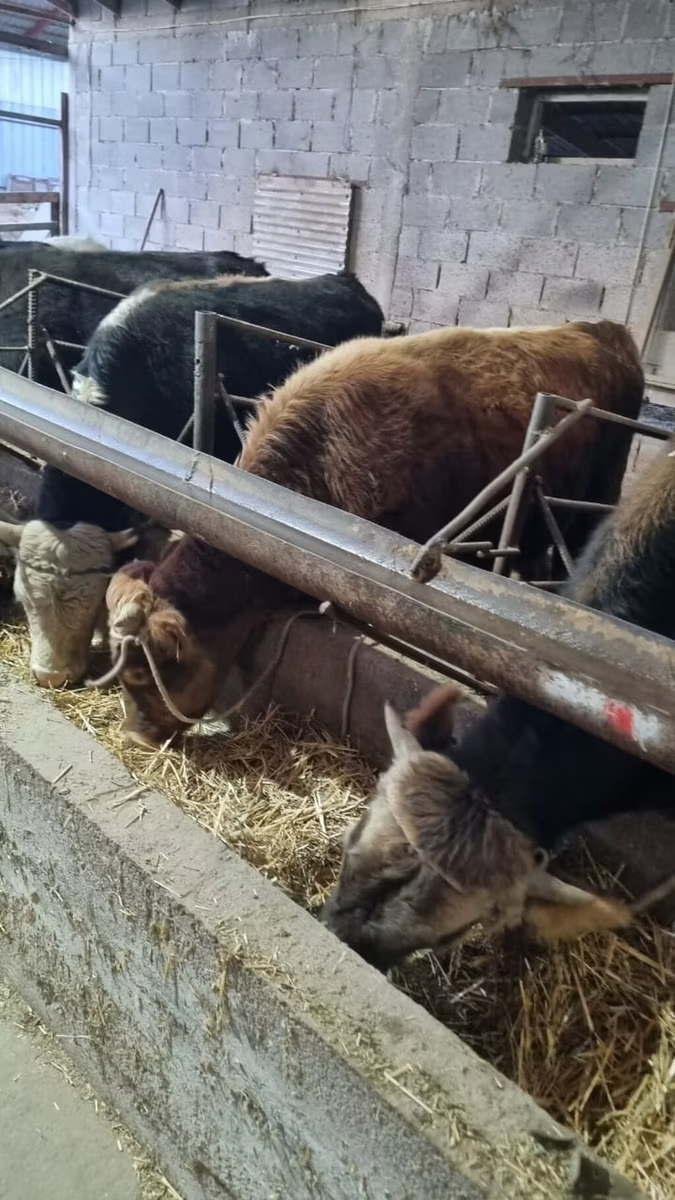
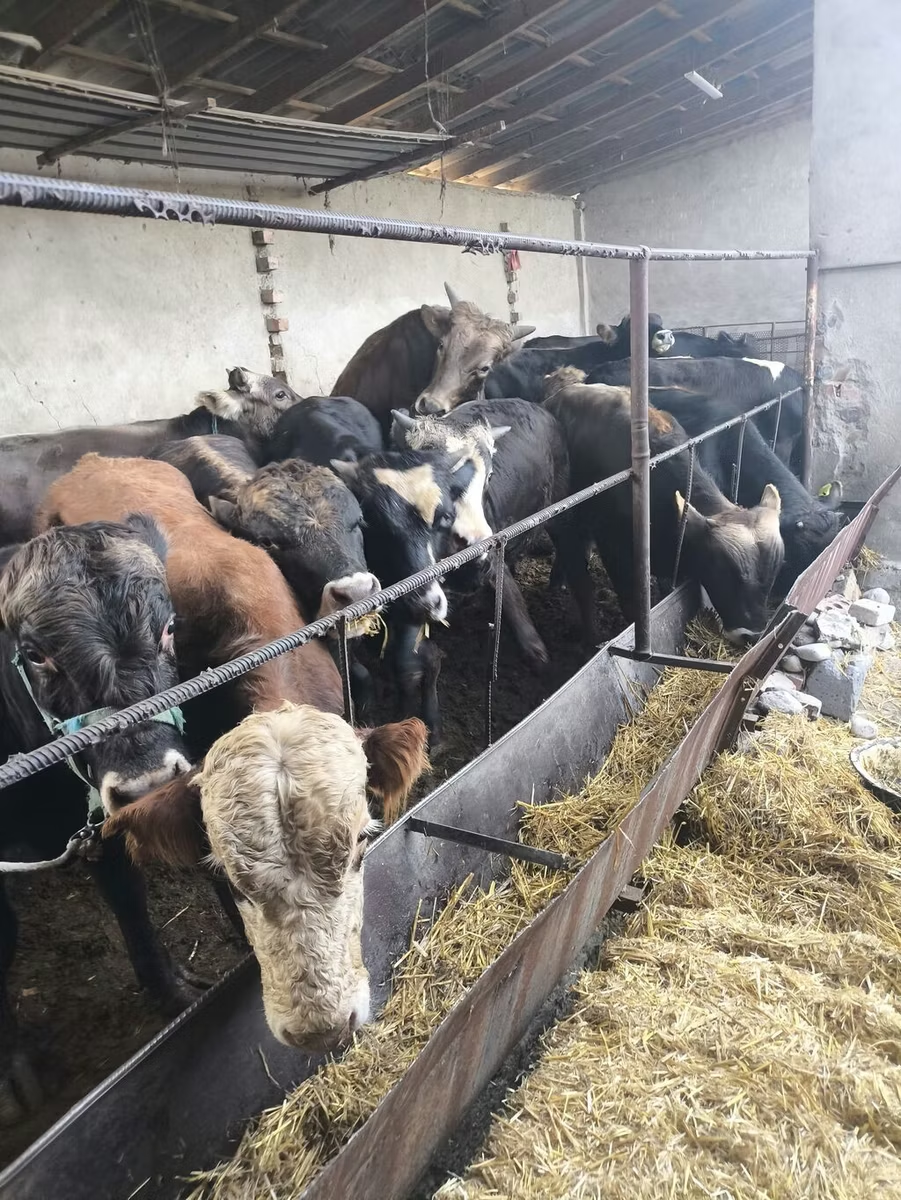
Breed history: Caracu is a beef breed of cattle that is widespread in Brazil. Caracu descends from Minho cattle, and its history began in the 17th century. Its formation was also influenced by Spanish and African cattle breeds. Four centuries of selection have transformed Caracu into cattle perfectly adapted to the tropical climate of Brazil. In 1980, breeders of the Caracu association decided to improve the breed using modern selection and genetics methods. In less than 30 years, the breed has demonstrated accelerated evolution of its productive characteristics while maintaining its original advantages – high adaptability, endurance, and excellent maternal qualities. Between the 19th and 20th centuries, after the arrival of Zebu in Brazil, Caracu cattle were on the brink of extinction. Today, Caracu makes up less than 5% of the total cattle population in Brazil. Exterior: Caracu is a medium-sized cow with a strong constitution. The muscles are well developed, which is evident in their relief. Caracu has small ears, which is one of the breed's distinguishing features. The animal's horns and hooves are sturdy, allowing the cow to maintain stability and endurance in various conditions. In terms of weight, bulls can weigh 950-1200 kg, while cows can weigh up to 550-750 kg. The coat color of Caracu cows ranges from light brown to beige, and the animals are never white. Various shades of red are possible. The hair of Caracu is short. The height at the withers for bulls is usually around 143 cm, while for cows it is about 135 cm. Housing conditions: Caracu cows easily adapt to various conditions, including hot climatic zones. These animals have a good ability to adapt to changes in the environment and can comfortably exist in warm regions. They tolerate high temperatures well and do not lose productivity despite the heat. Additionally, the breed is characterized by high endurance and resistance to parasites, making it resilient even in less favorable epidemiological areas. Caracu remains healthy even in difficult climatic conditions. Productivity direction: The Caracu breed was originally developed for several purposes: for work, meat, and milk production. However, in the 21st century, it is primarily raised for meat, although there are also dairy lines. Caracu cattle are known for their quality meat, and today they are most often used for beef production.
Gal si aad wax badan u ogaato
Soo galMaxaa lagu quudiyaa
Diet: The Karakul can easily digest rough feeds. The diet of a Karakul cow should be balanced and include a large amount of hay, pasture feed, and grains. During pregnancy, the diet should be increased to meet the needs of the mother and the developing calf. It is also important to consider the seasonality of feeds — fresh grass can be used in summer, while hay and compound feeds are used in winter. Young animals, up to six months old, are fed their mother's milk, and afterwards, hay, grasses, and crushed grains are gradually introduced for proper growth, but, of course, calves need to be accustomed to rough feed as well.
Sifooyinka jireed
Miisaanka labka: 950–1200 kg
Miisaanka dheddigga: 550–750 kg
Dhererka labka: 140–150 cm
Dhererka dheddigga: 125–140 cm
Deegaanka uu ku nool yahay
Arjentiina
Baraasiil
Baraguaay
Beeru
Boliifiya
Fenisuweela
Ikuwadoor
Jili
Koloombiya
Uruguwaay
Su'aalaha inta badan la isweydiiyo
Intee ayuu miisaamaa Karaku?
Xayawaan qaangaar ah: lab — 950–1200 kg, dhedig — 550–750 kg.
Waa imisa dhererka Karaku?
Dhererka garbaha: lab — 140–150 cm, dhedig — 125–140 cm.
Xaggee ayuu ka soo jeedaa Karaku?
Waddanka asalka ah — Baraasiil.
Halkee lagu dhaqaa Karaku?
Noocan waxaa laga helaa: Arjentiina, Baraasiil, Baraguaay, Beeru, Boliifiya, Fenisuweela, Ikuwadoor, Jili.
Maxaa lagu quudiyaa Karaku?
Diet: The Karakul can easily digest rough feeds.
Su'aal iyo jawaab
Weli su'aalo ma jiraan. Weydii kan ugu horreeya!
Soo gal si aad su'aal u weydiiso
Xayeysiisyada gobolkaaga